Resequencing 31 Wild and Cultivated Soybean Genomes: Insights into Genetic Diversity and Domestication
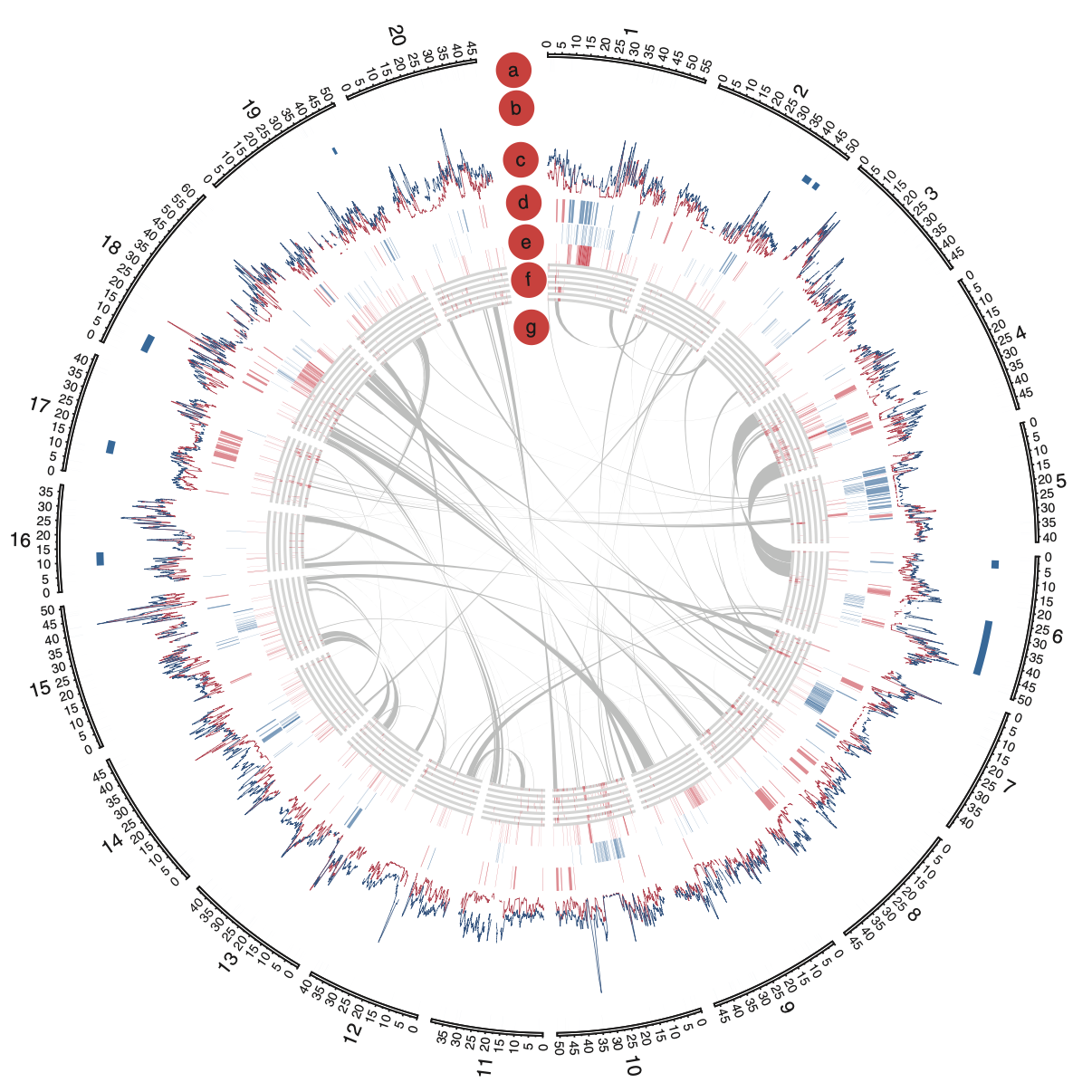
Soybean (Glycine max) is a critical crop globally, serving as a major source of protein and oil. Understanding its genetic diversity and domestication history is essential for improving breeding strategies and ensuring agricultural sustainability. In our latest study, published in Nature Genetics, we conducted whole-genome resequencing of 31 soybean accessions—including 17 wild and 14 cultivated varieties—to explore genetic variation, linkage disequilibrium patterns, and domestication bottlenecks.
Key Findings
- Genome-Wide SNP and Genetic Diversity Analysis:
- A total of 6.3 million single-nucleotide polymorphisms (SNPs) were identified across all accessions.
- Wild soybeans exhibited higher genetic diversity (π = 2.97 × 10⁻³) compared to cultivated varieties (π = 1.89 × 10⁻³), confirming genetic bottlenecks during domestication.
- Linkage Disequilibrium (LD) and Selection Events:
- Soybeans exhibited exceptionally high LD, with cultivated varieties showing an average LD decay distance of 150 kb, making marker-assisted breeding more feasible.
- Selective sweeps were detected in 369 genomic regions, highlighting key loci associated with domestication traits like seed shattering and plant architecture.
- Introgression and Evolutionary Insights:
- Genomic comparisons revealed recent introgression of wild soybean alleles into cultivated lines, supporting natural genetic exchange.
- A 4.5-Mb inversion on chromosome 10 was detected, potentially influencing agronomic traits related to biomass accumulation and vitamin E content.
Reflections
This was my first genomics research project, conducted in collaboration with Professor Hon-Ming Lam at The Chinese University of Hong Kong. We efficiently completed the whole-genome sequencing and data analysis for 31 soybean accessions, gaining valuable insights into soybean genetic diversity and domestication history. The peer-review process was relatively smooth, and this project provided an invaluable learning experience in navigating the full research cycle—from sequencing to publication.
The full text of this study can be accessed online at Nature Genetics.