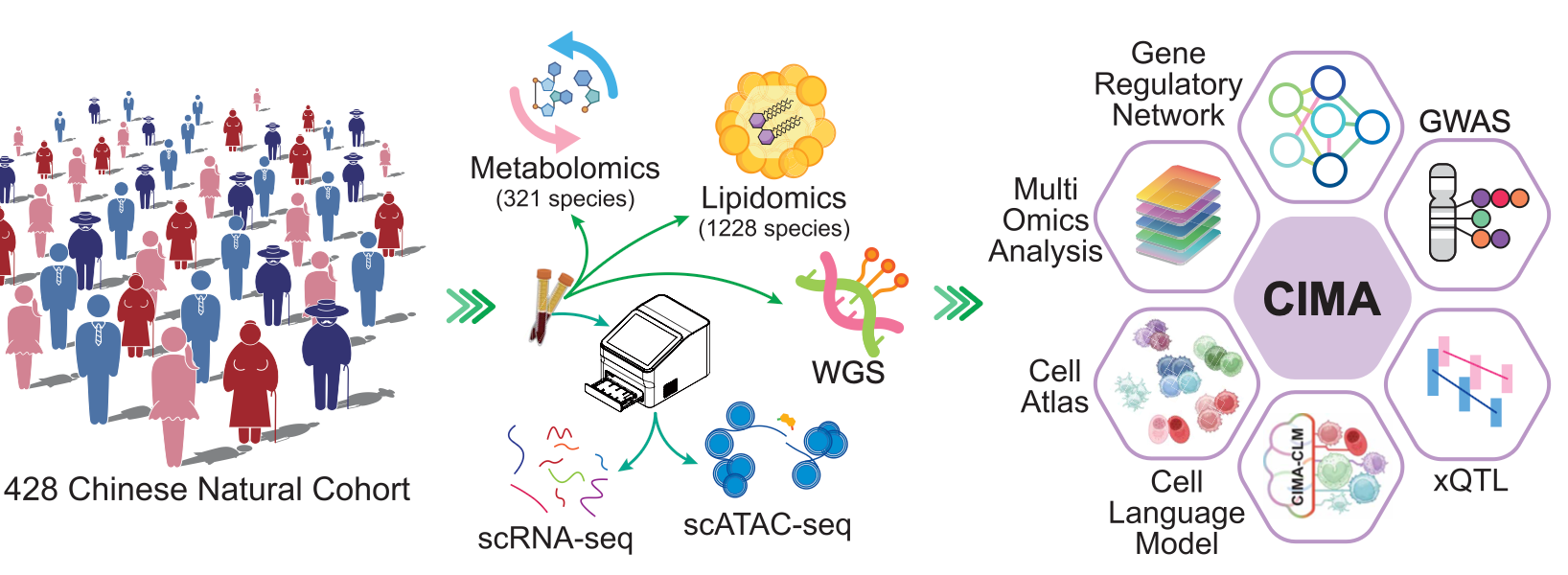
Science Article: Unveiling the Chinese Immune Multi-Omics Atlas (CIMA)
Our recent study in Science provides a comprehensive single-cell multi-omics landscape of the Chinese immune system, ...
Read More →Stay updated on our recent findings and other's intriguing discoveries in genomics.
Our recent study in Science provides a comprehensive single-cell multi-omics landscape of the Chinese immune system, ...
Read More →
Our recent study in PNAS leverages Stereo-seq to provide the first high-resolution characterization of intercalary me...
Read More →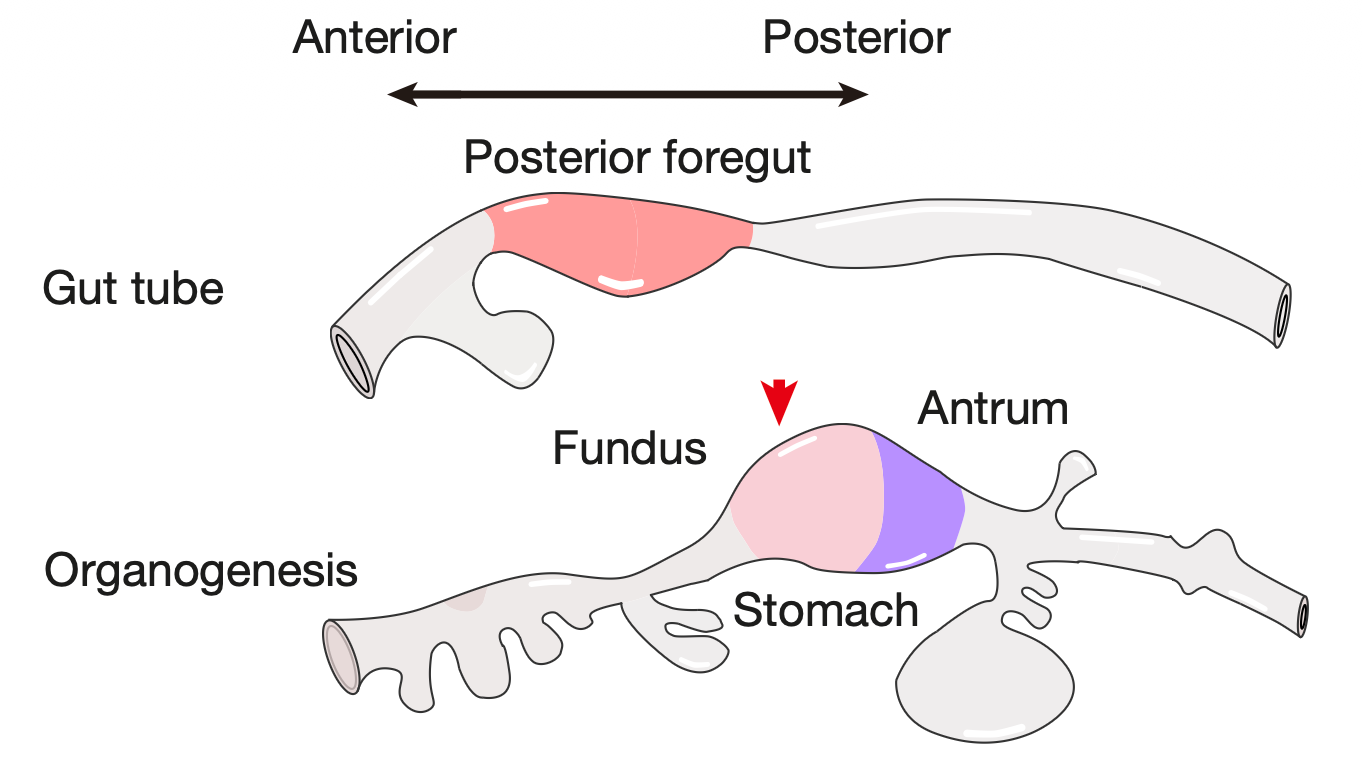
Our recent study published in Nature introduces “Human Gastroids”—multilineage organoids that recapitulate the comple...
Read More →
Antarctic krill (Euphausia superba), a keystone species in the Southern Ocean ecosystem, plays a pivotal role in glob...
Read More →
Tertiary lymphoid organ-like structures in human atherosclerosis contribute to plaque instability. Xin Liu, on behalf...
Read More →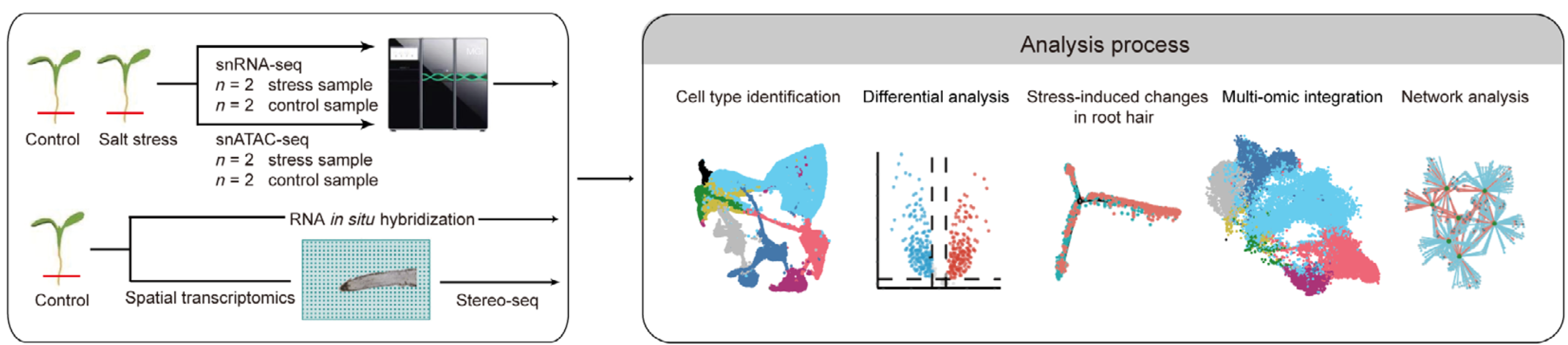
Our recent paper introduced findings on mechanisms underlying salt-tolerance in non-heading Chinese cabbage using sin...
Read More →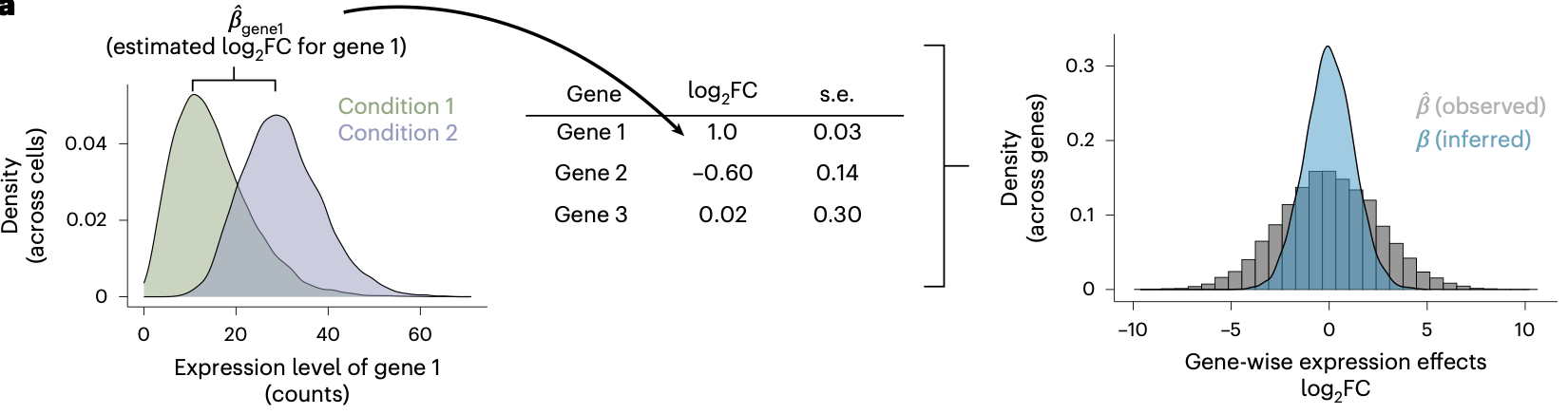
In a recent Nature paper, a novel RNA-seq analysis method was published, which might be the future direction for RNA-...
Read More →
In a recent Nature paper, an improved sequencing method to more sensitively detect cell-free RNA was reported.
Read More →
Our recent review paper comprehensively introduced spatial transcriptome technologies and their applications in plant...
Read More →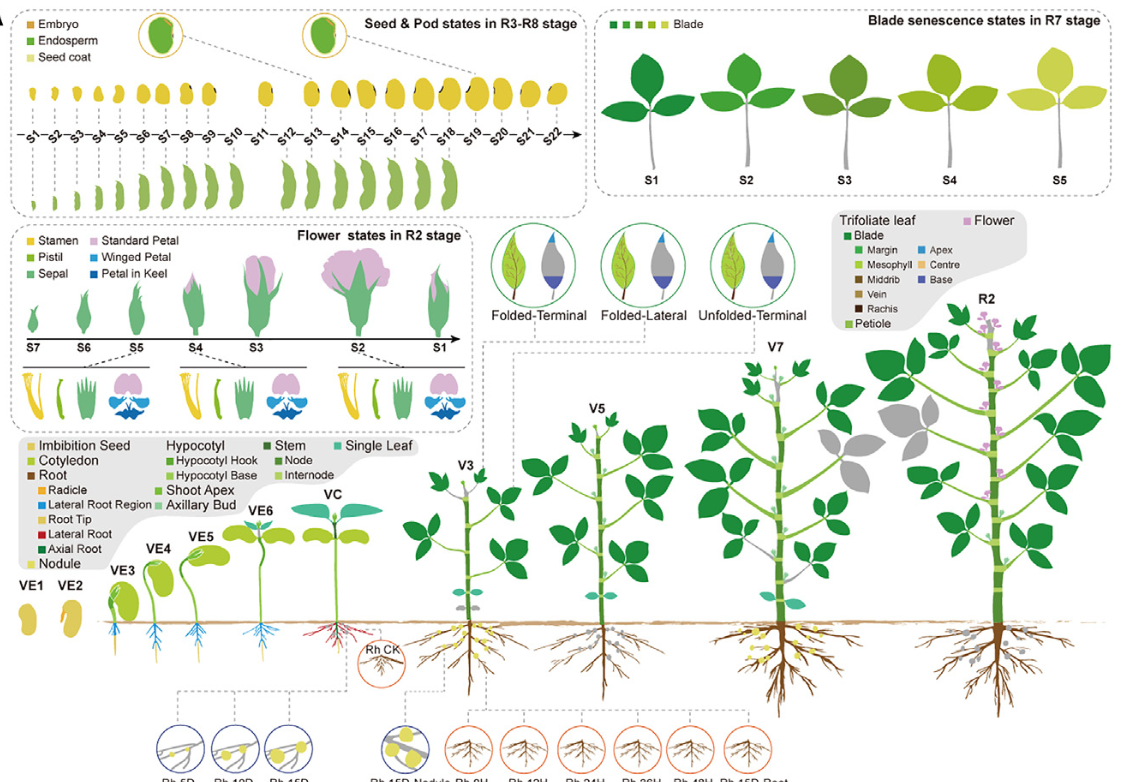
We generated Bulk, Single-Cell, and Spatial Transcriptome Data for Soybean to Unveil Mechanisms Underlying its Organ ...
Read More →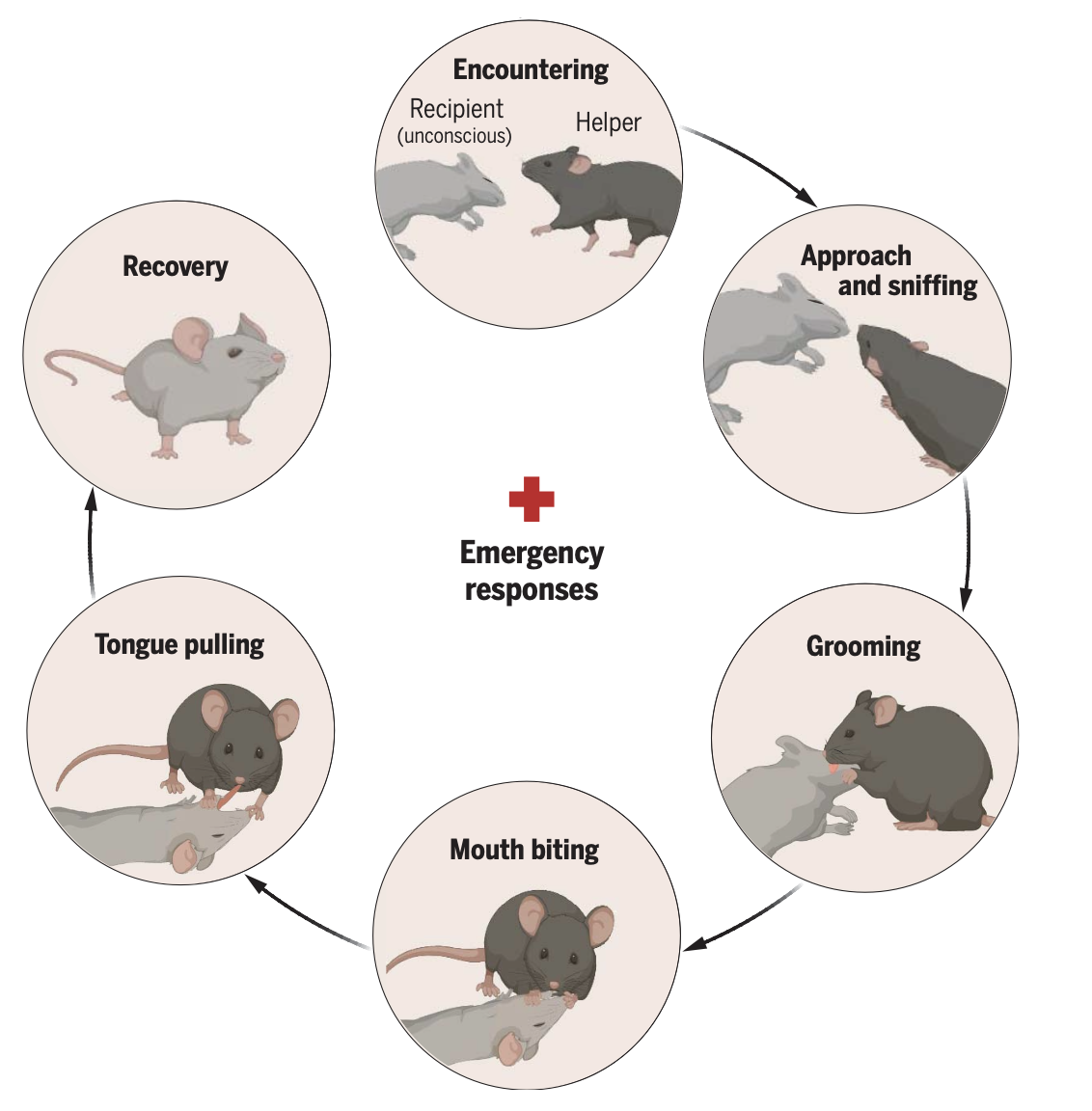
A groundbreaking study published in *Science unveils how mice exhibit complex rescue behaviors toward unconscious pee...
Read More →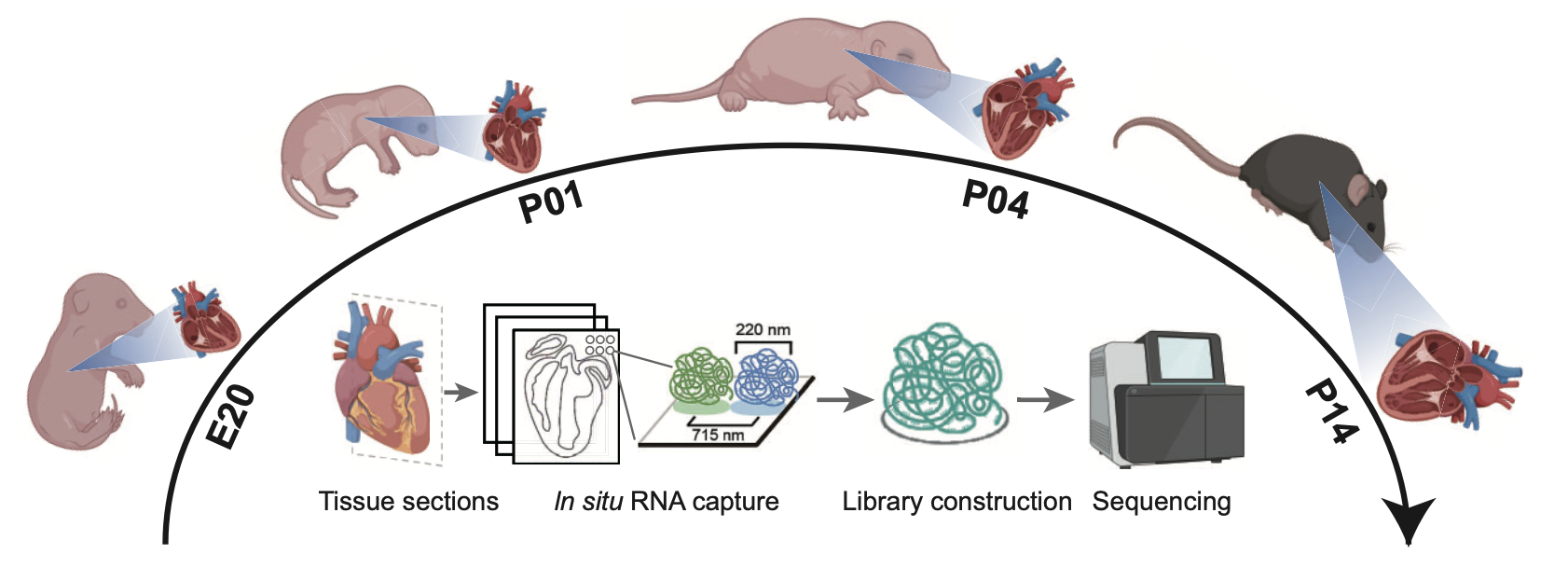
We’re thrilled to announce that XinLab has published a new paper in GigaScience (2025, Vol. 14) titled “Exploring the...
Read More →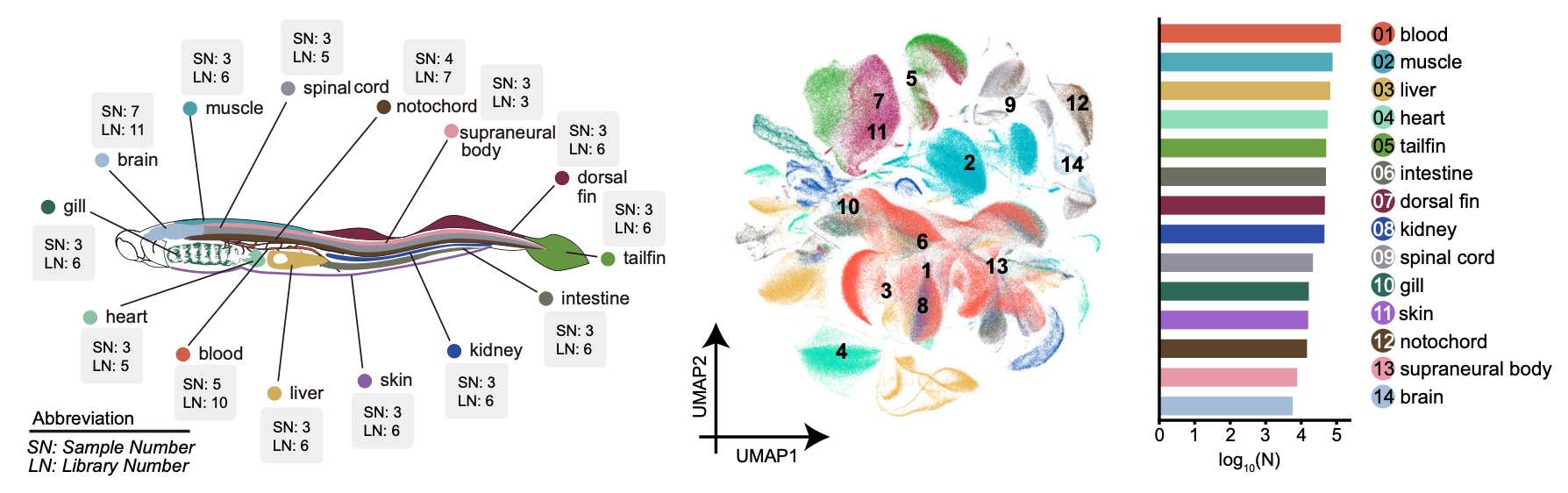
A study co-led by Xin Liu (BGI Research / XinLab), Guangyi Fan (BGI Research), Qingwei Li (Liaoning Normal University...
Read More →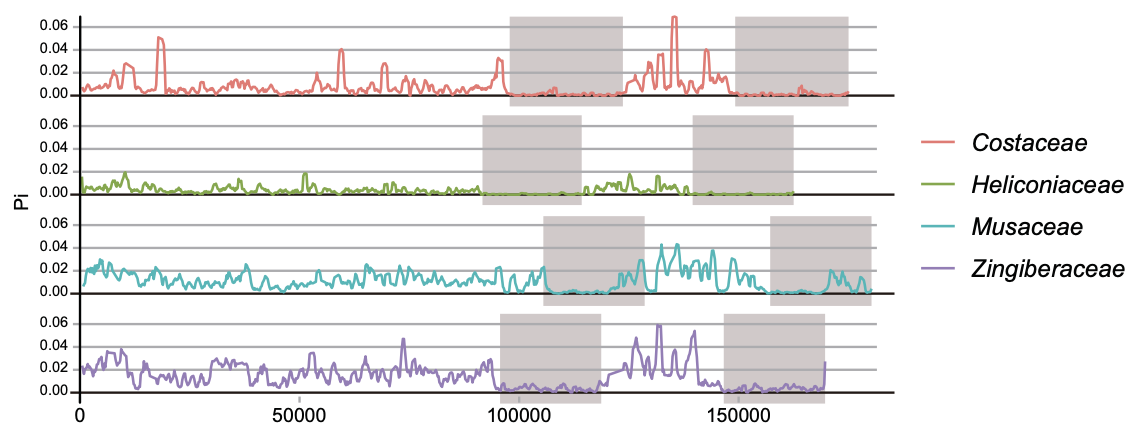
We’re excited to share that XinLab has published a new study in Frontiers in Plant Science (2025, Vol. 15) titled “Un...
Read More →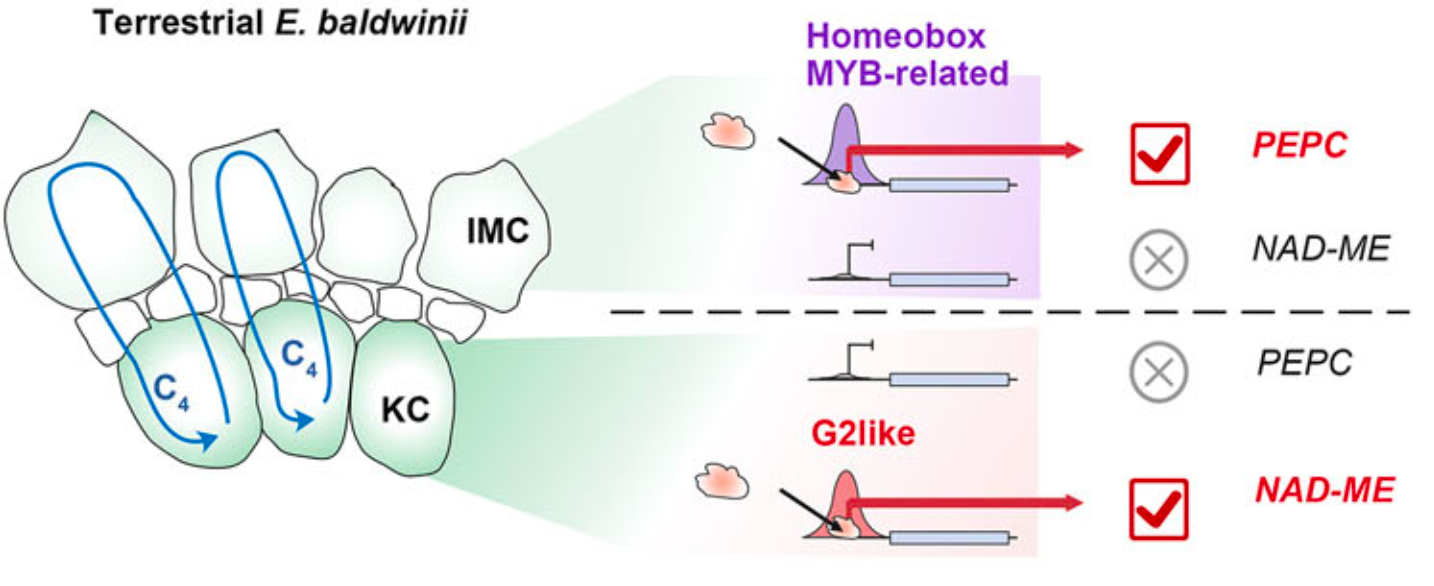
Our recent study reveals how Eleocharis baldwinii switches between C3 and C4 photosynthesis through environmentally-t...
Read More →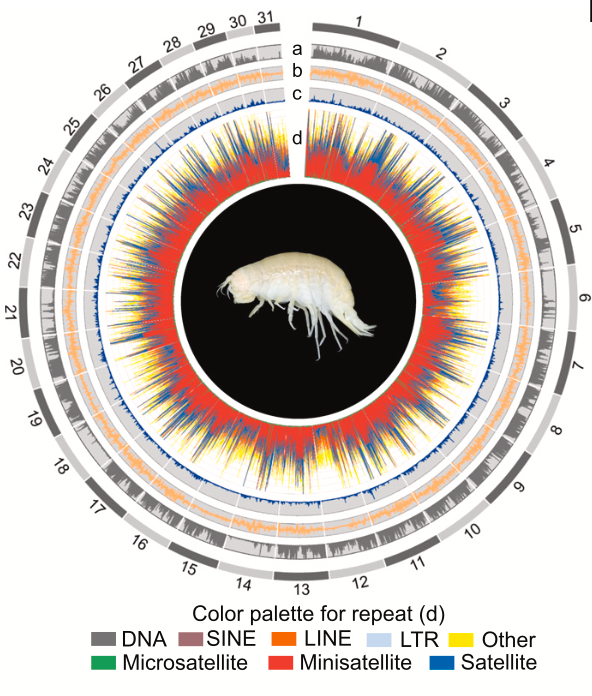
Our recent study in Cell, based on the genomes of over 600 deep-sea amphipods, reveals how host-symbiont interactions...
Read More →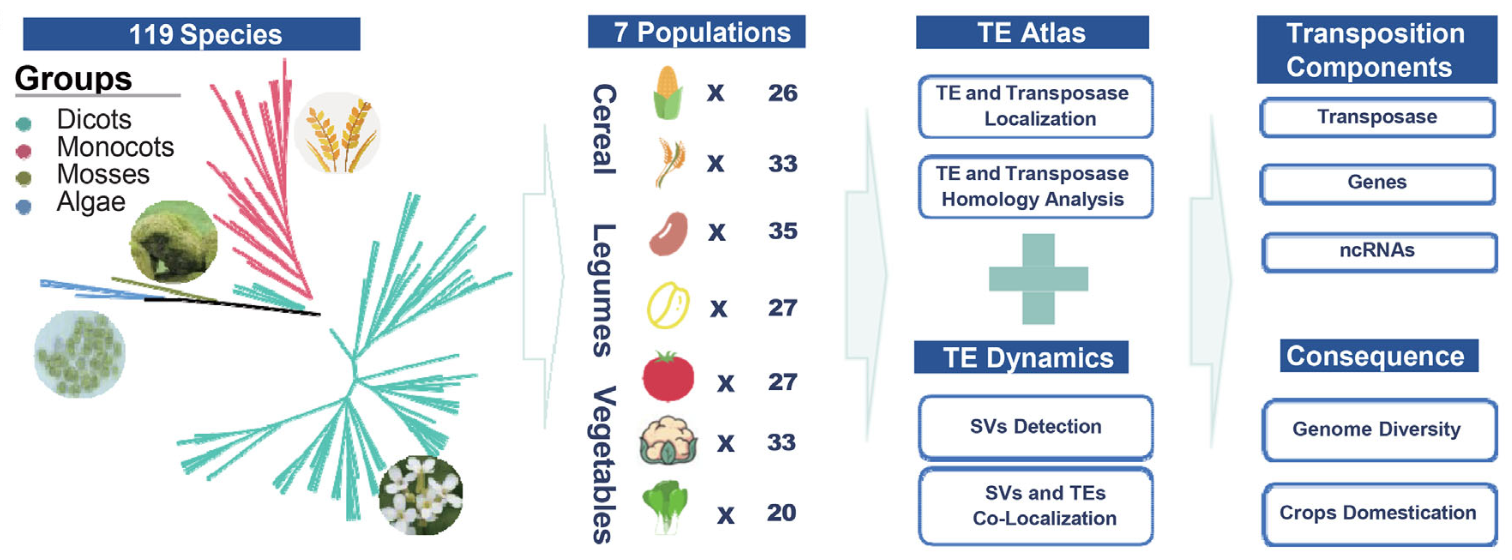
We analyzed 811 plant genomes across 119 species to create an unprecedented atlas of recent transposable element acti...
Read More →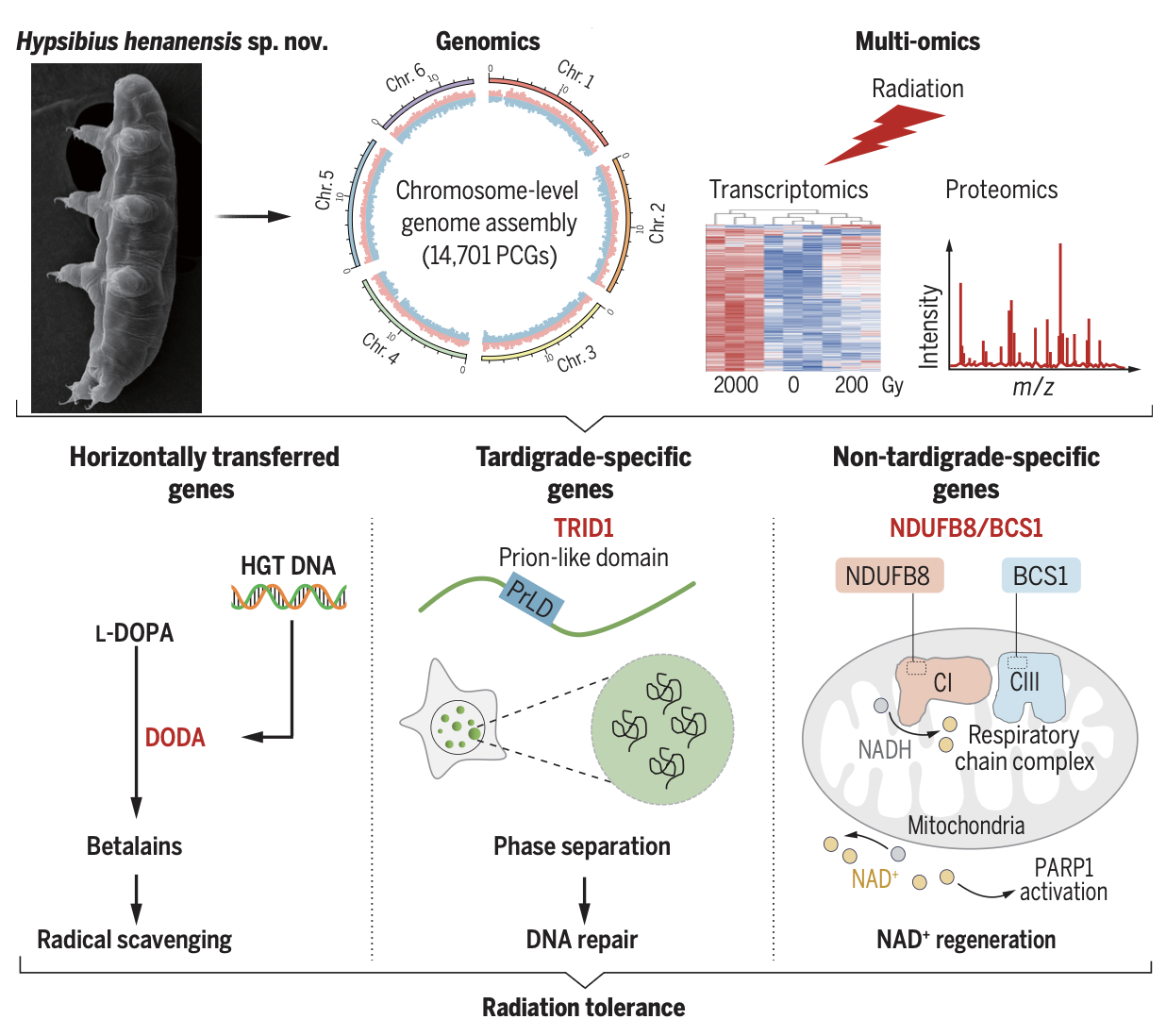
In our latest collaborative project, we delved deep into the molecular basis of radiation tolerance in a newly identi...
Read More →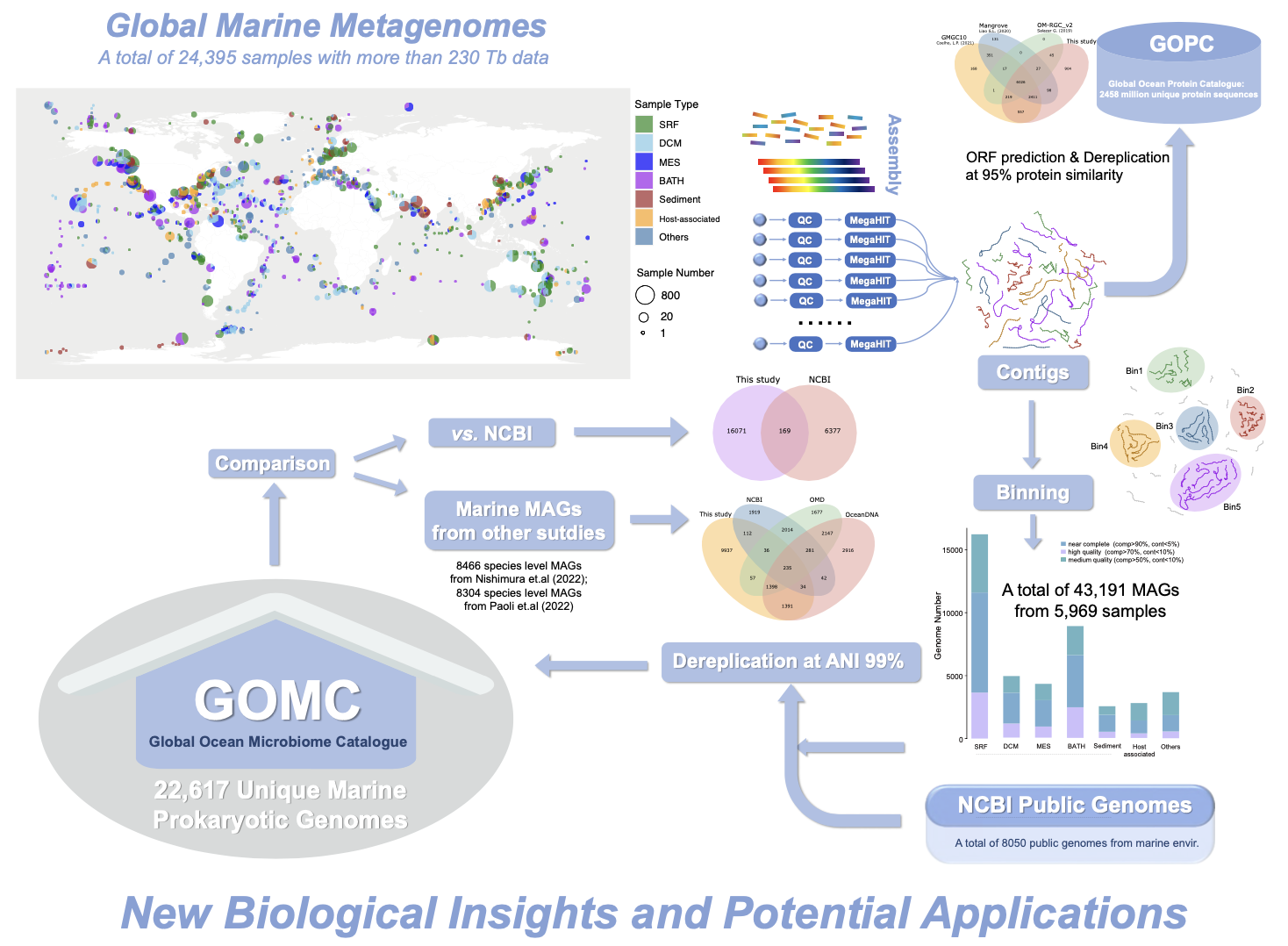
🌊 BGI Research Team Unveils Vast Marine Microbial Diversity and Biotechnological Potential in Nature and successfully...
Read More →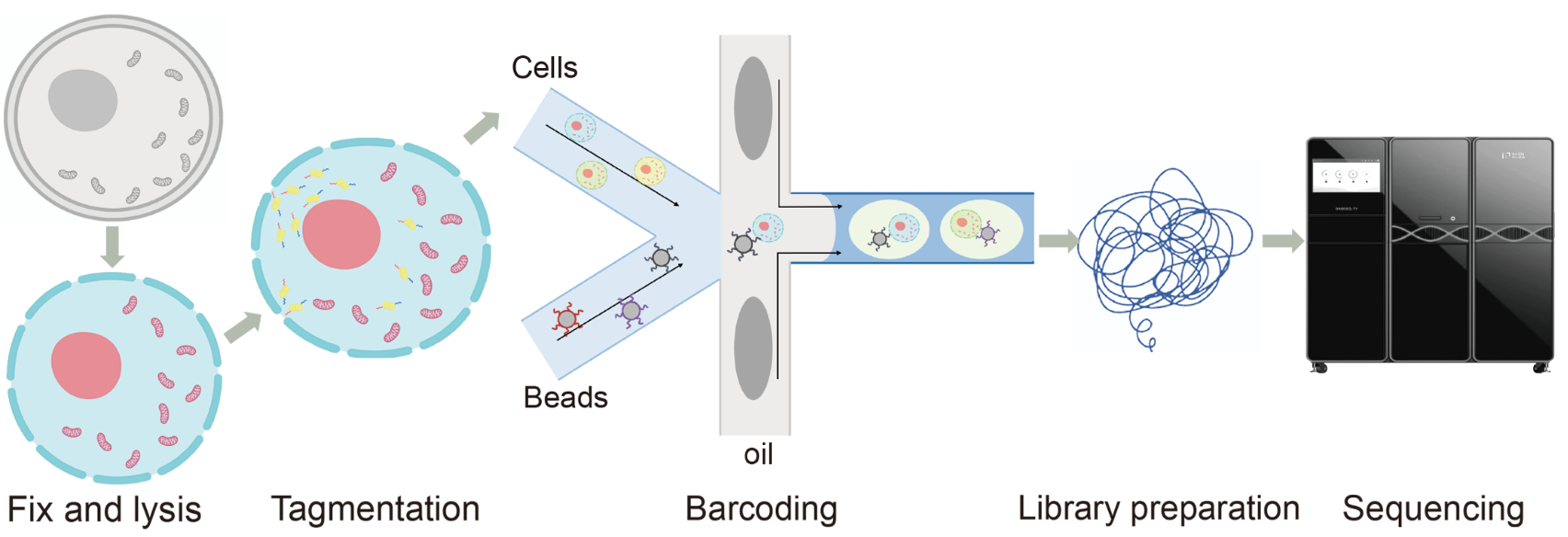
Our recent paper in Aging Cell described our recently developed single-cell mitochondrial sequencing methods. Here we...
Read More →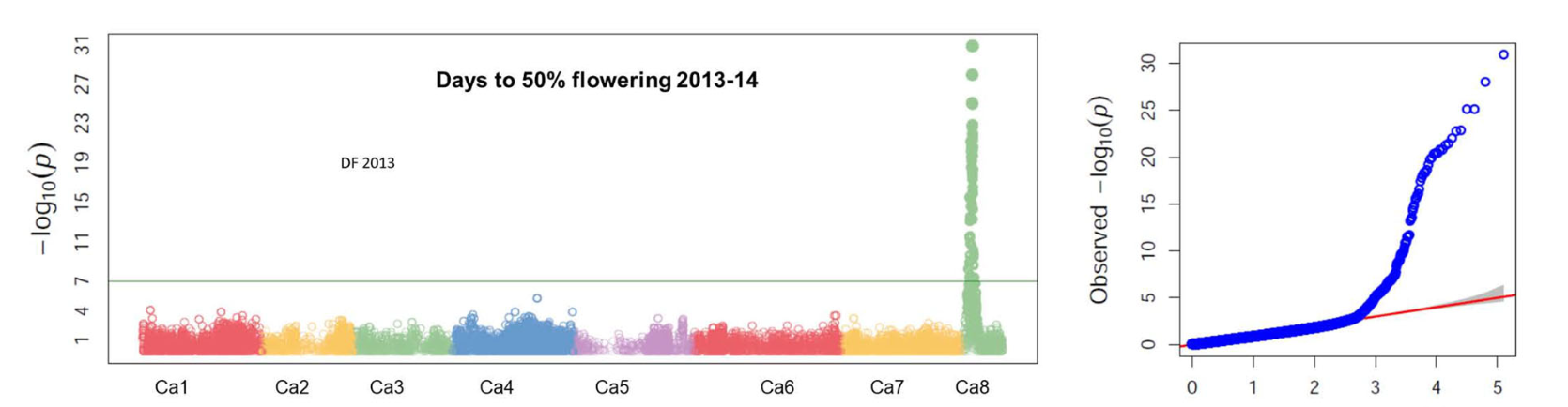
In our ongoing long-term collaboration with Dr. Rajeev Varshney, our team has taken a further step forward in underst...
Read More →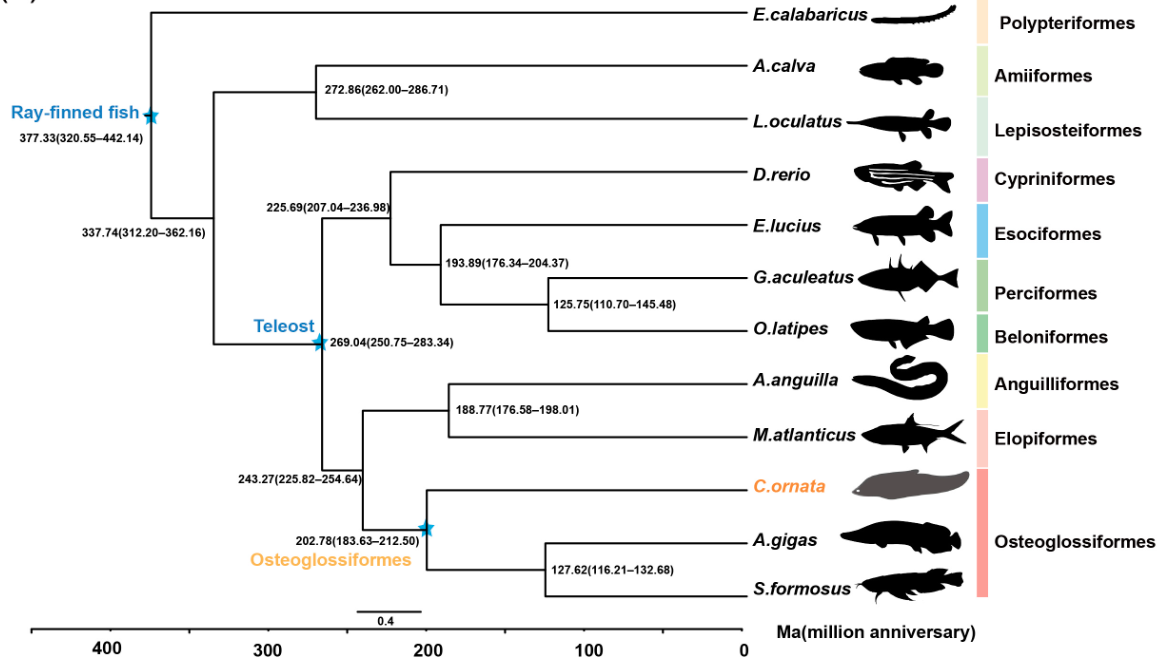
Chromosome-Scale Genome of Chitala ornata Illuminates Early Teleost Evolution
Read More →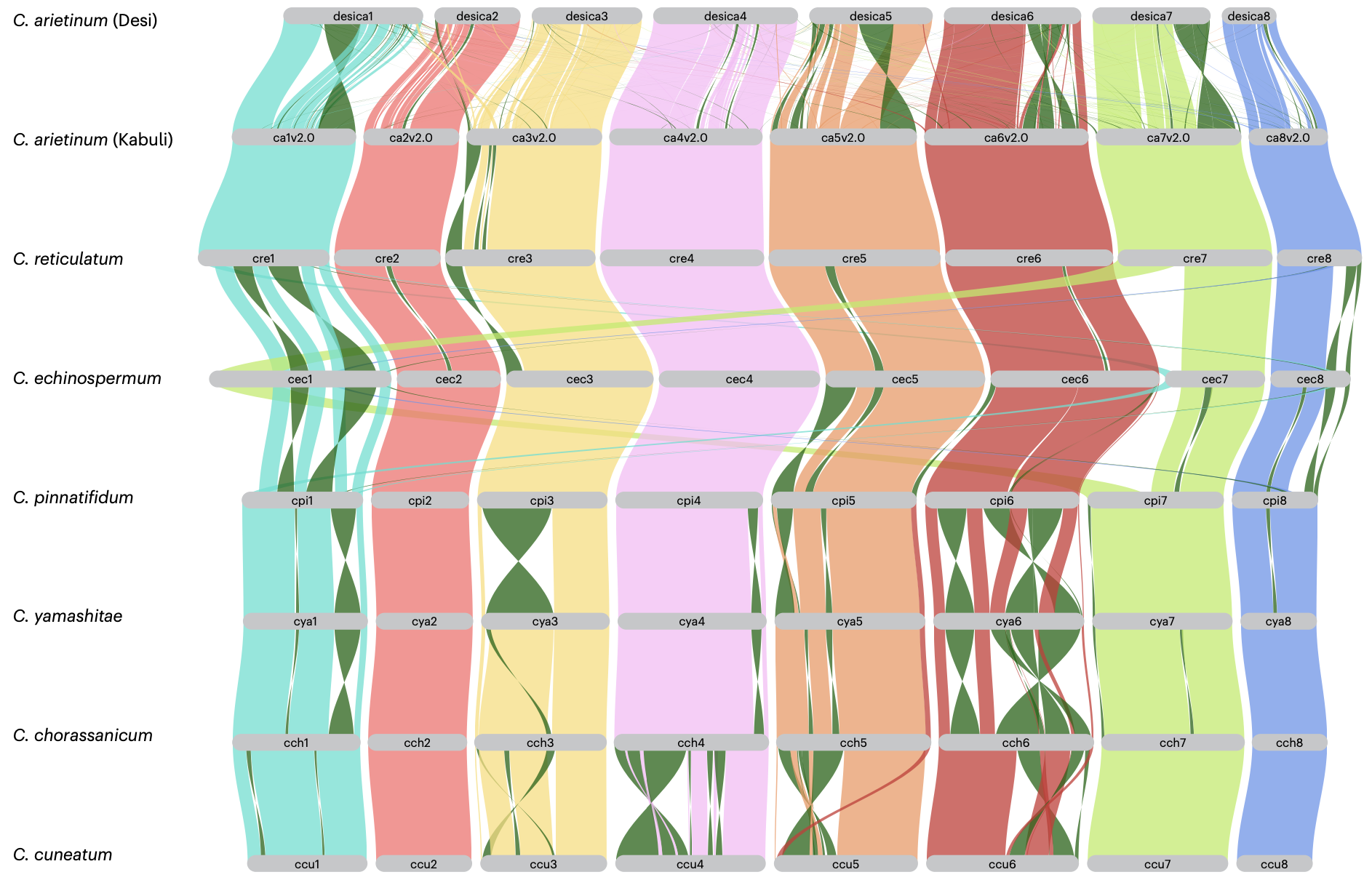
Published online in Nature Genetics on May 23, 2024, a study presents genomes of eight wild chickpea relatives and a ...
Read More →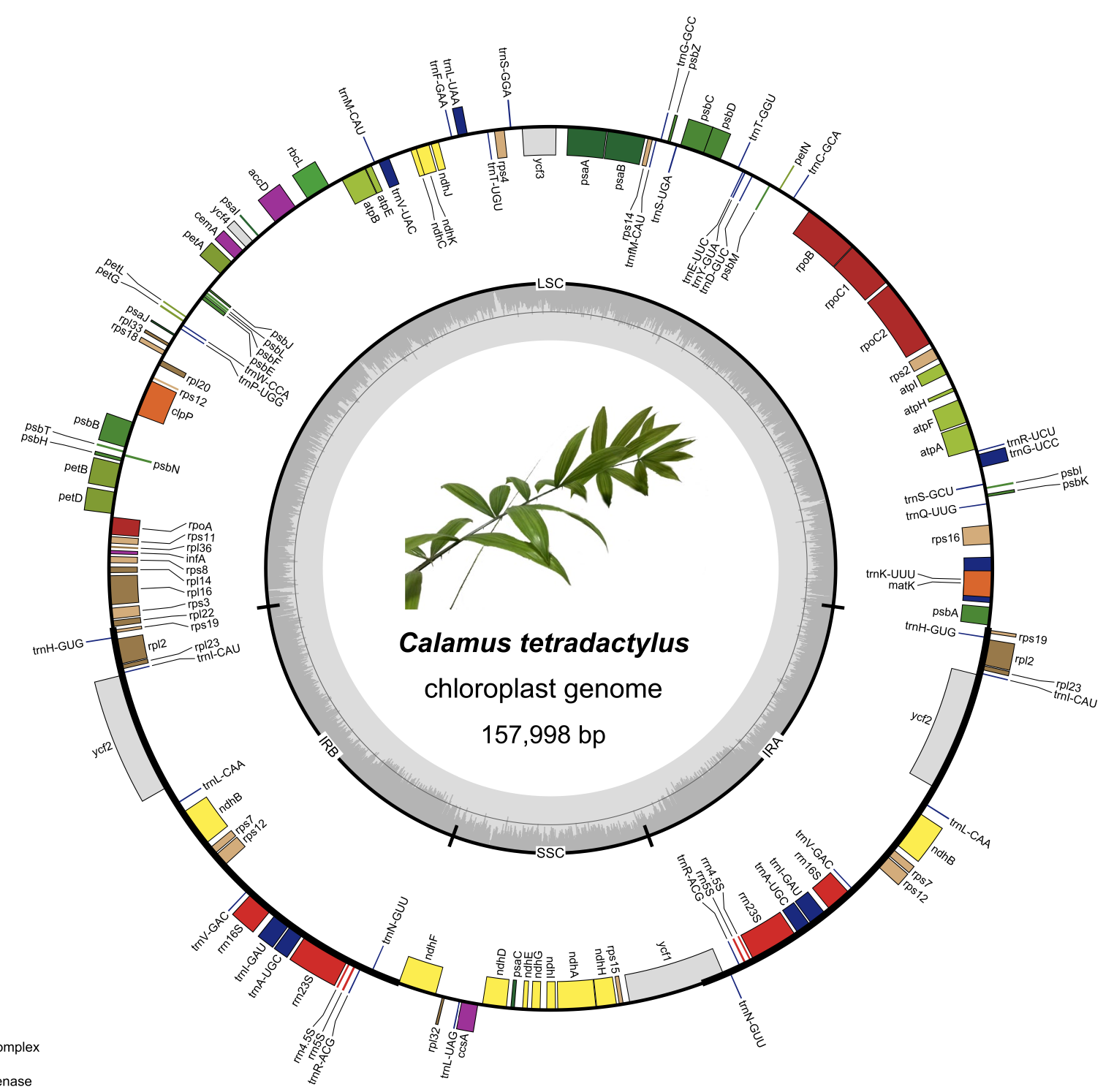
Our recent study published in BMC Genomic Data by Zhang et al. provides the first complete chloroplast genome sequenc...
Read More →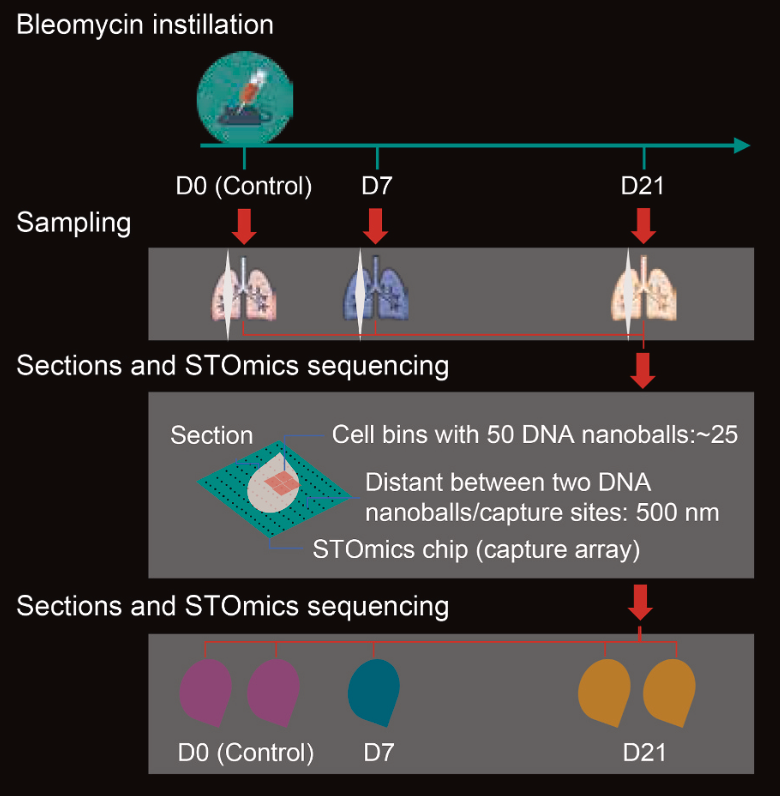
Pulmonary fibrosis is a chronic lung condition with limited treatment options and significant mortality rates. To bet...
Read More →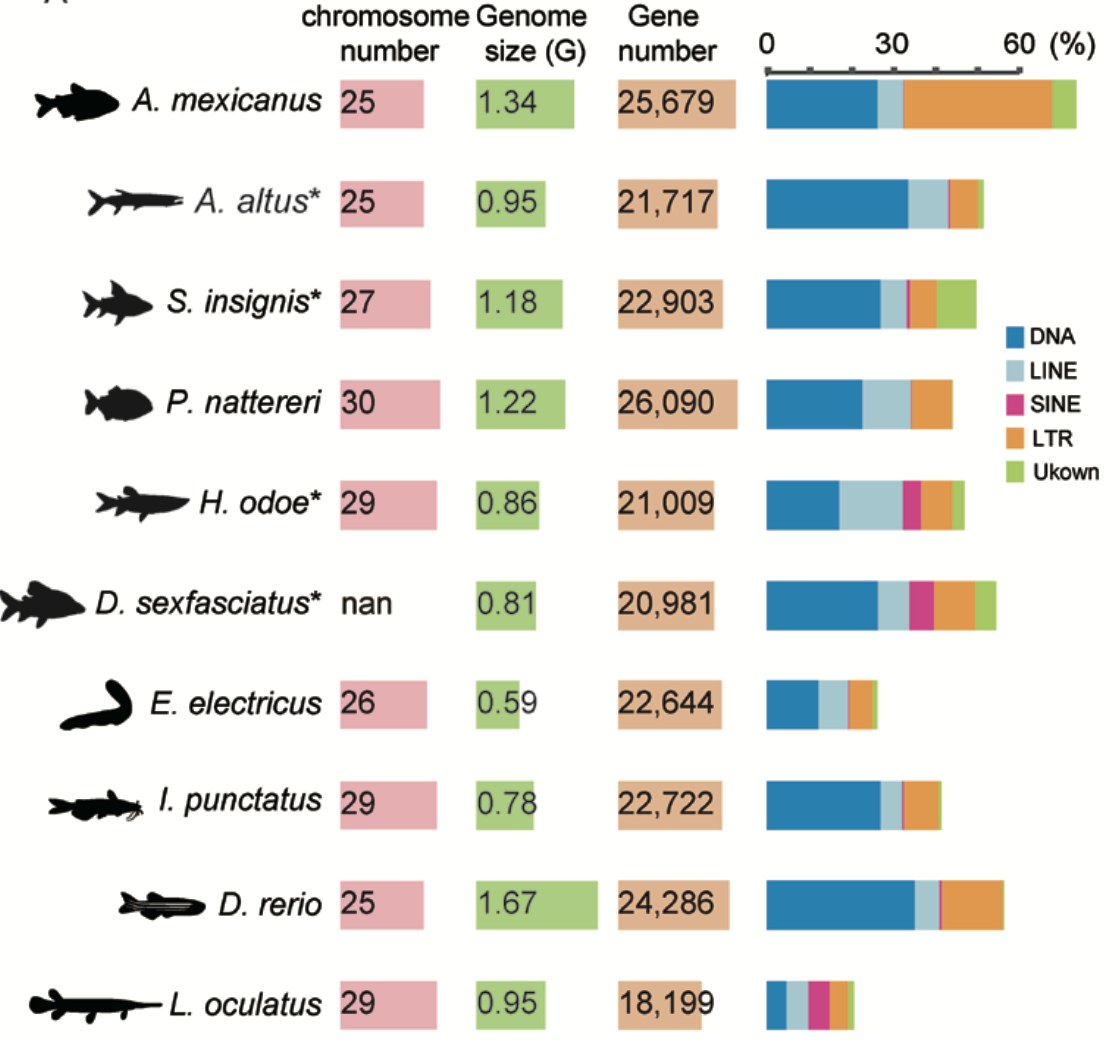
Fish, as the most ancient vertebrates, exhibit many unique characteristics compared to later-evolving vertebrates. Ou...
Read More →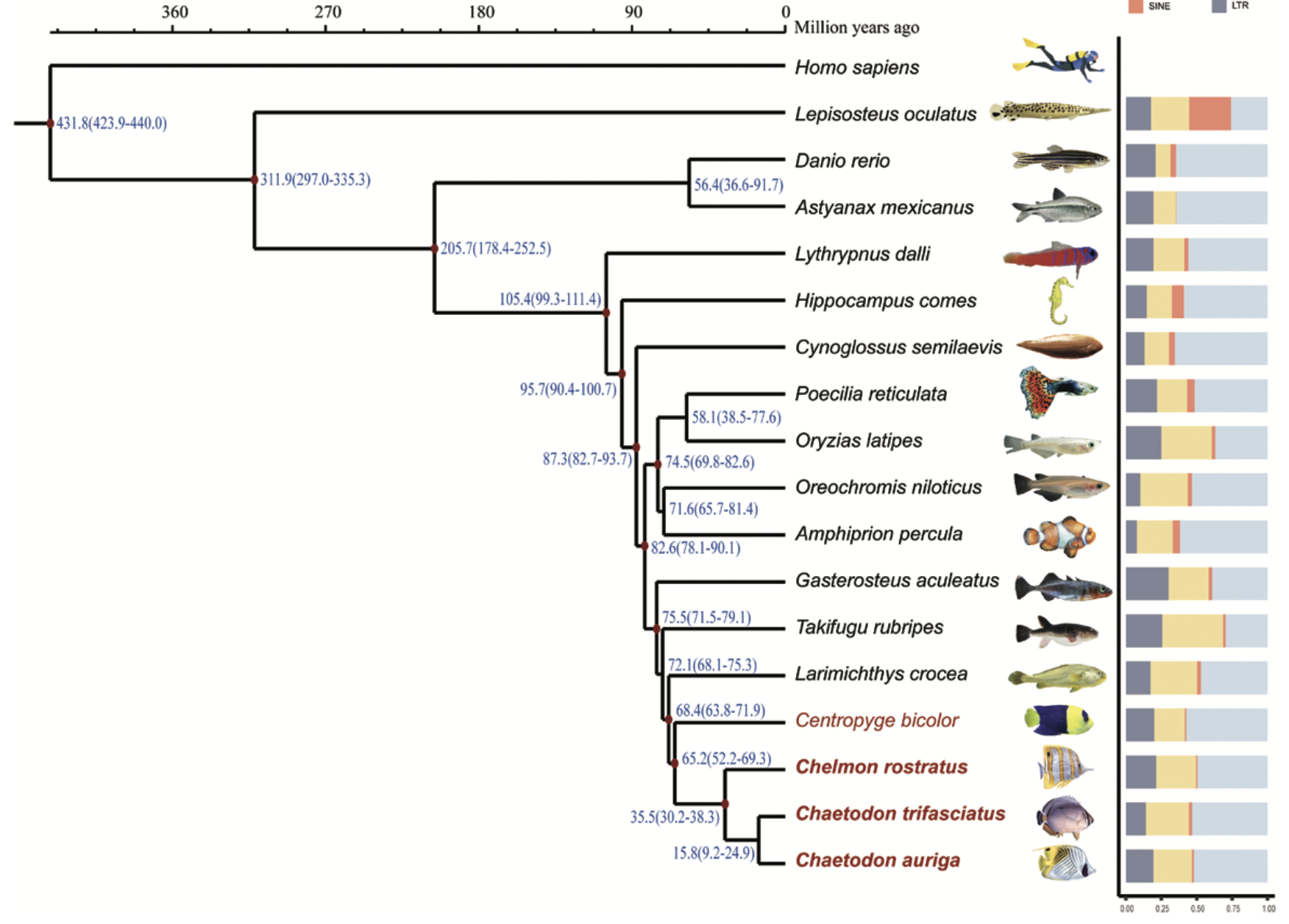
Butterflyfishes (family Chaetodontidae) are iconic reef dwellers, renowned for their vibrant color patterns and speci...
Read More →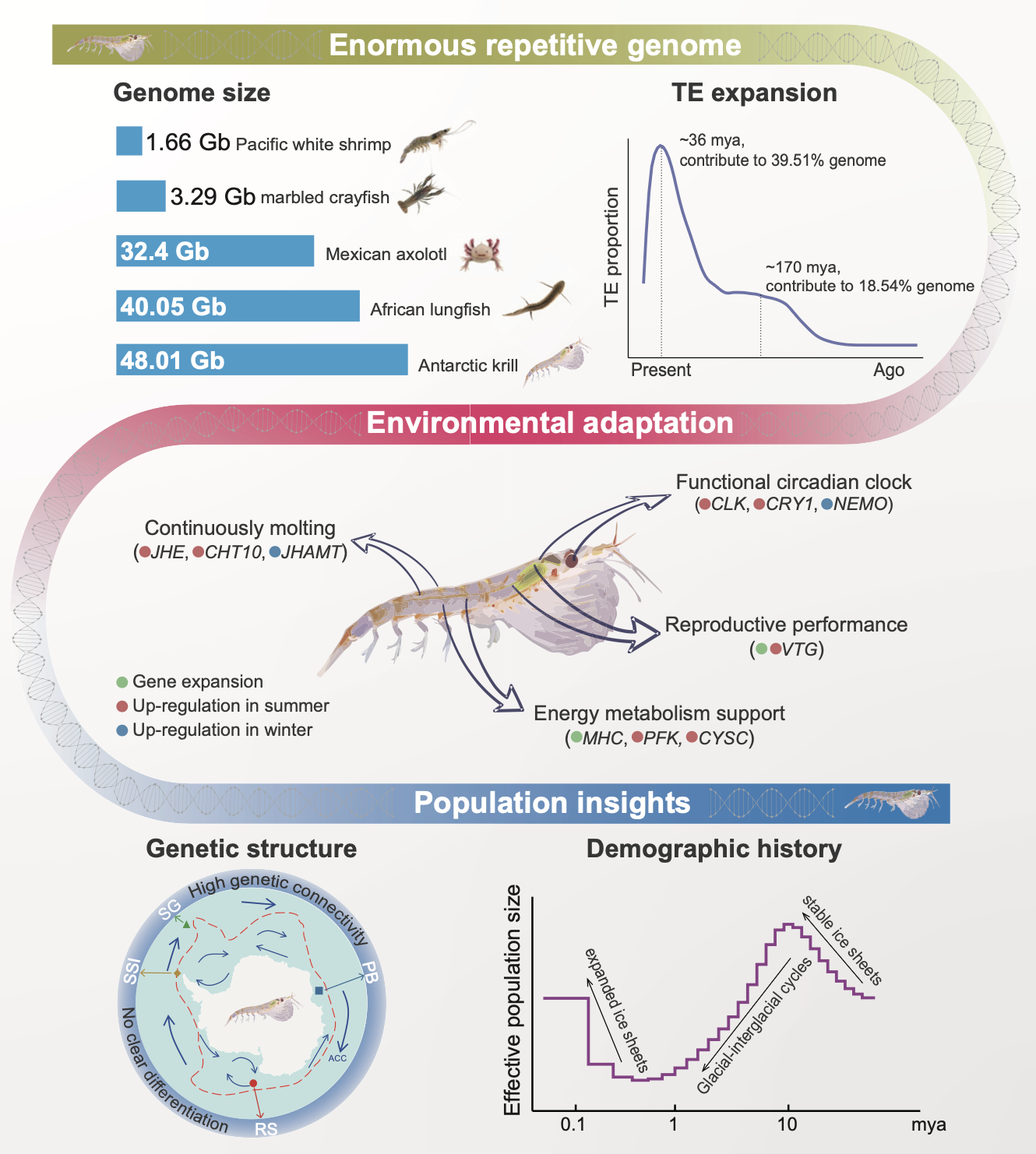
Antarctic krill (Euphausia superba), Earth’s most abundant wild animal, plays a pivotal role in the Southern Ocean ec...
Read More →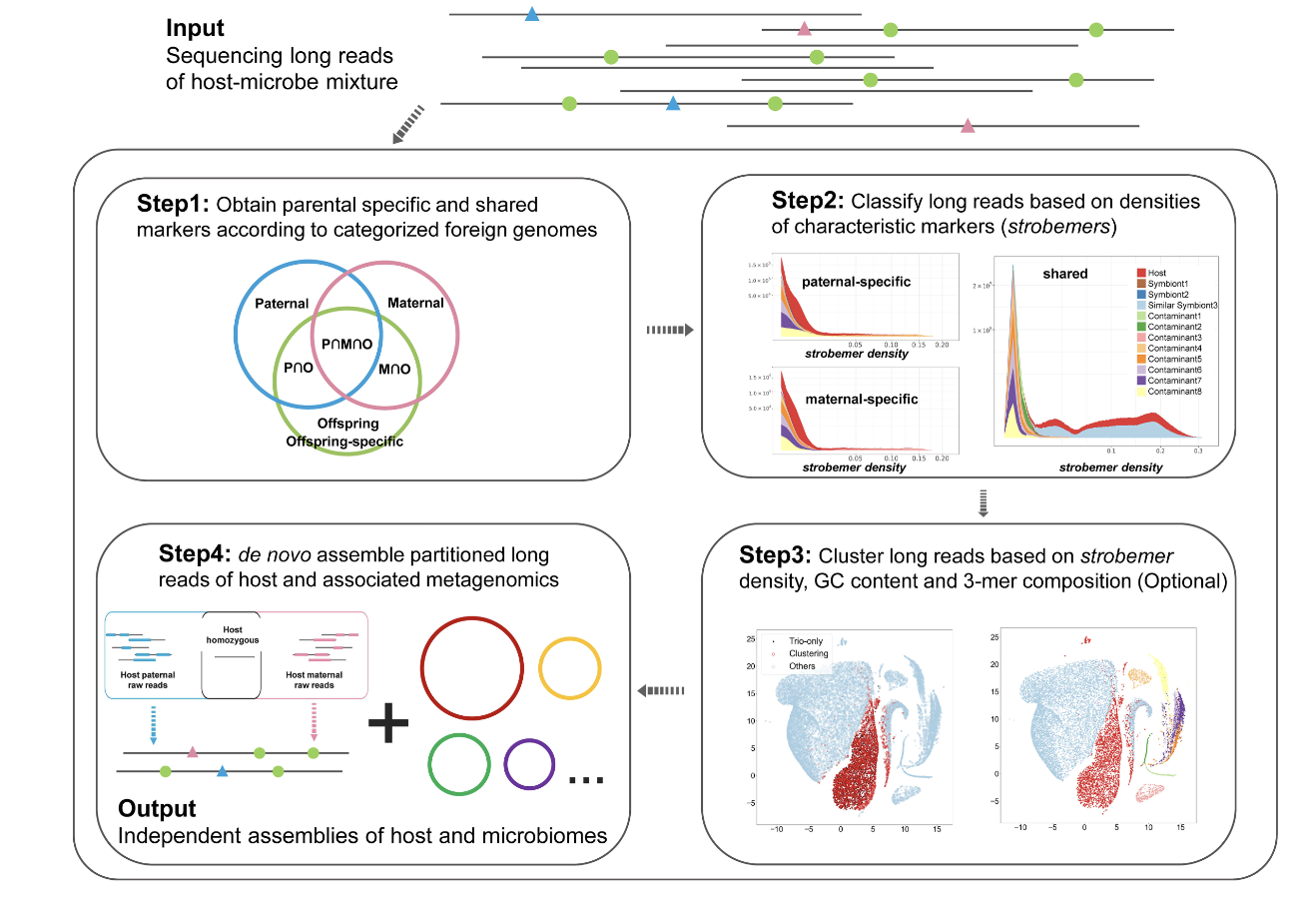
The phenomenon of symbiosis is widespread in nature, with biological samples often containing data from multiple spec...
Read More →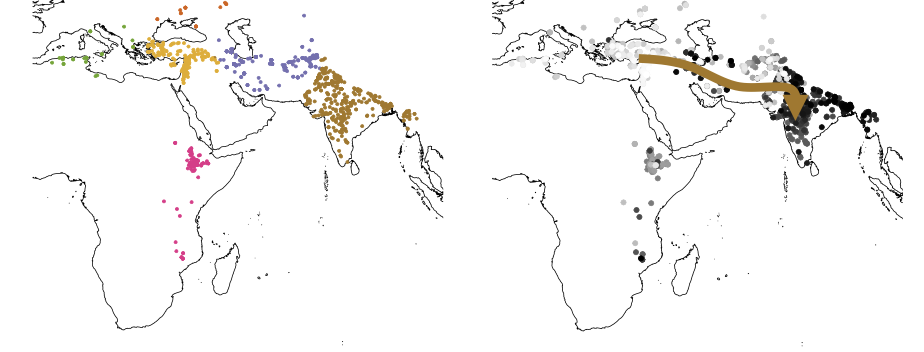
Chickpea (Cicer arietinum), one of the world’s most important legume crops, has long been a focal point in agricultur...
Read More →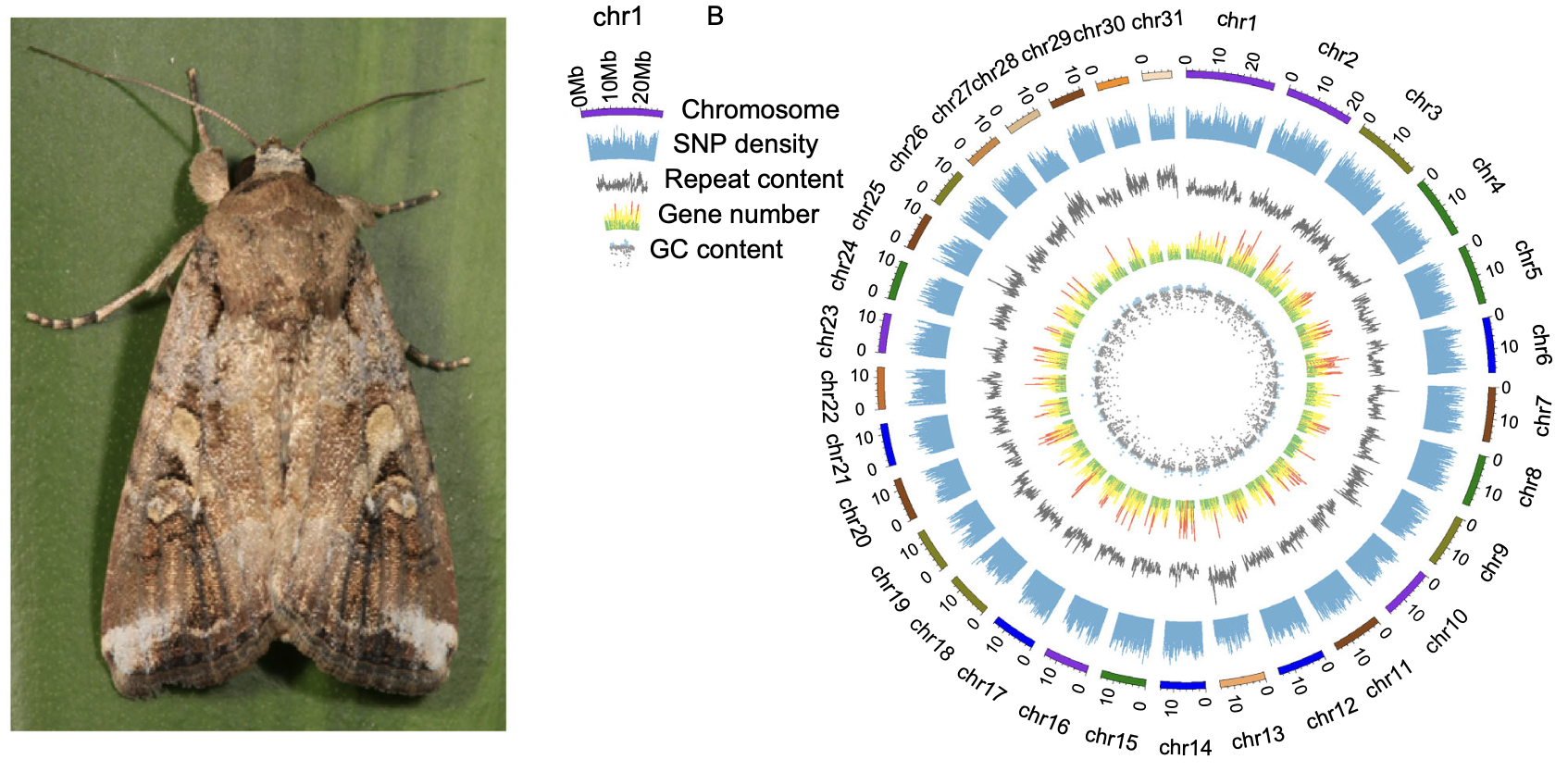
Fall armyworm (Spodoptera frugiperda) is a highly destructive pest that has rapidly spread across multiple continents...
Read More →
Understanding the microbial diversity in industrial effluents is crucial for efficient environmental surveillance and...
Read More →
Bamboo has been an integral part of Chinese culture and daily life for centuries, serving not only as an essential na...
Read More →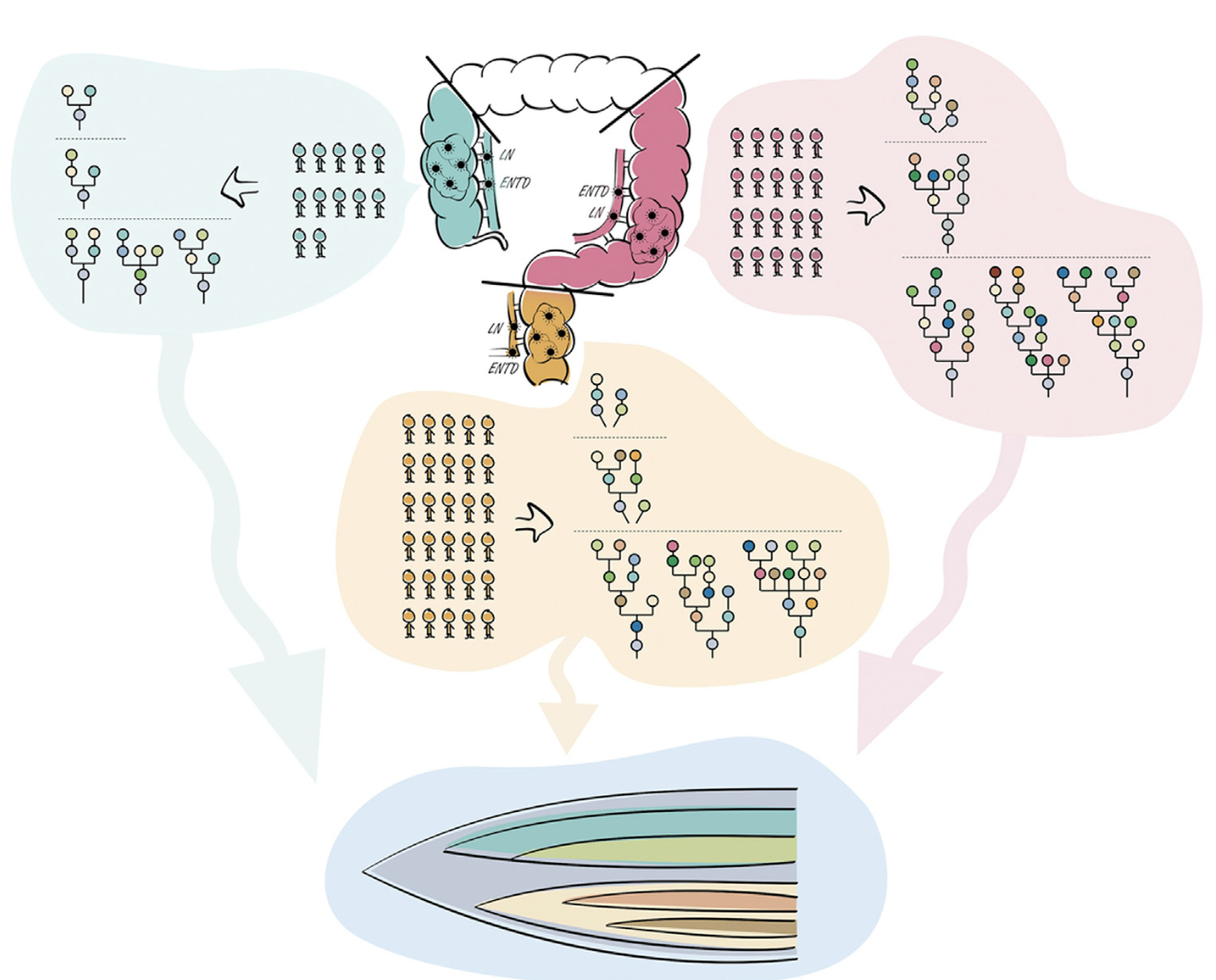
Tumor evolution is a dynamic and complex process, with variations in growth patterns significantly influencing diseas...
Read More →
Sex chromosome evolution is one of the most fascinating processes in genomic research, with profound implications for...
Read More →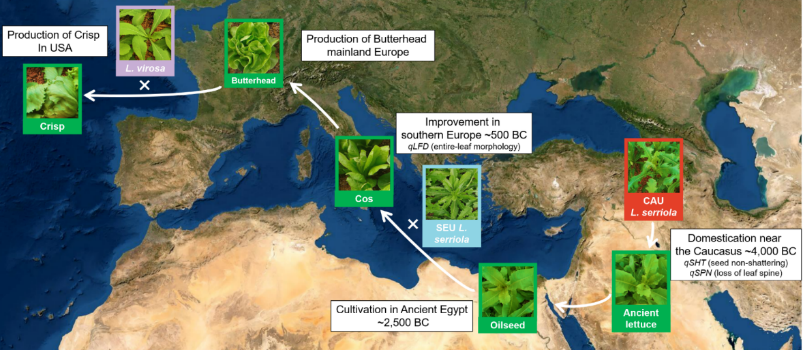
Lettuce (Lactuca sativa) is one of the most widely consumed leafy vegetables in the world, yet its genetic diversity ...
Read More →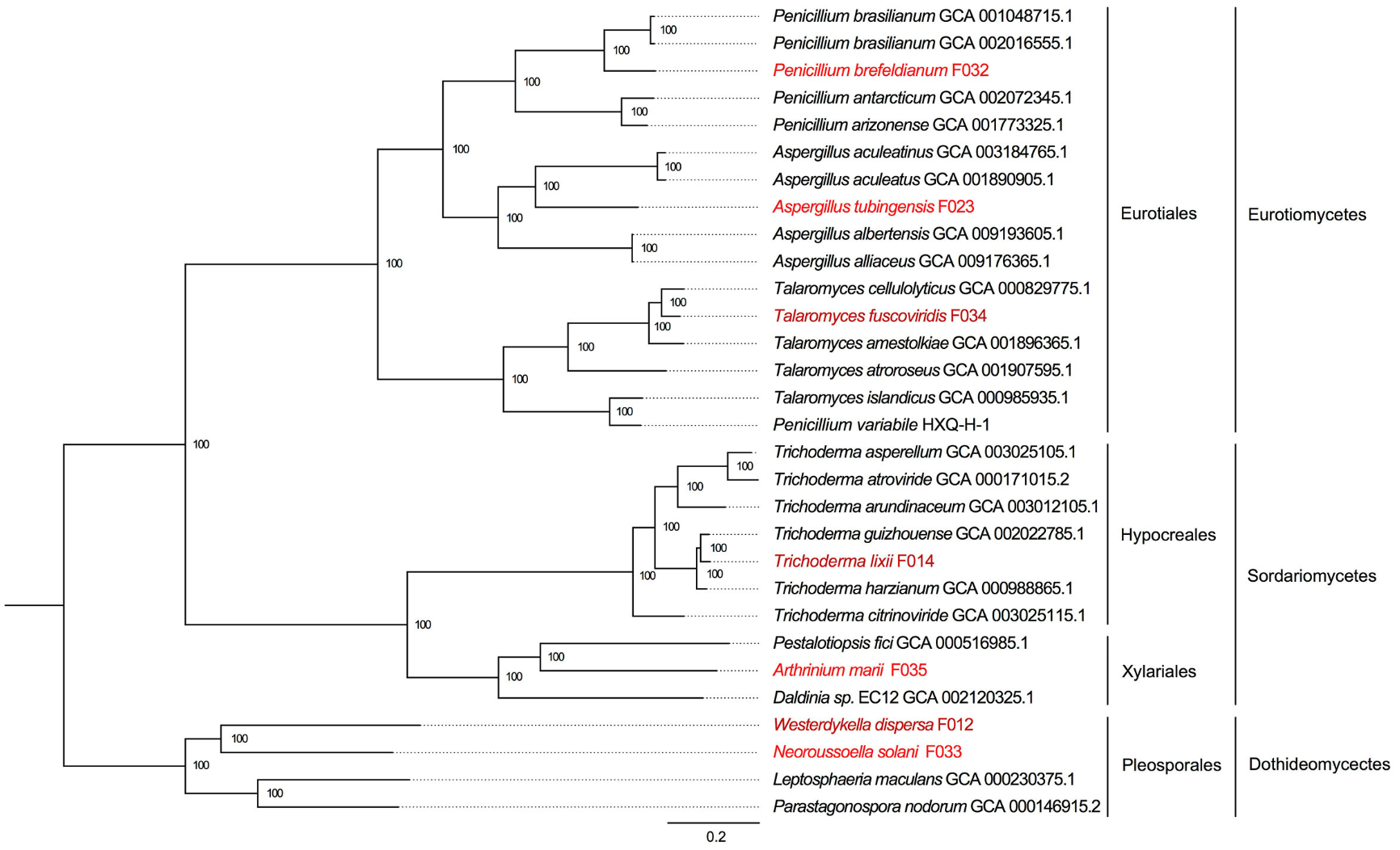
Mangrove forests are among the most biologically diverse and ecologically productive ecosystems, hosting a rich array...
Read More →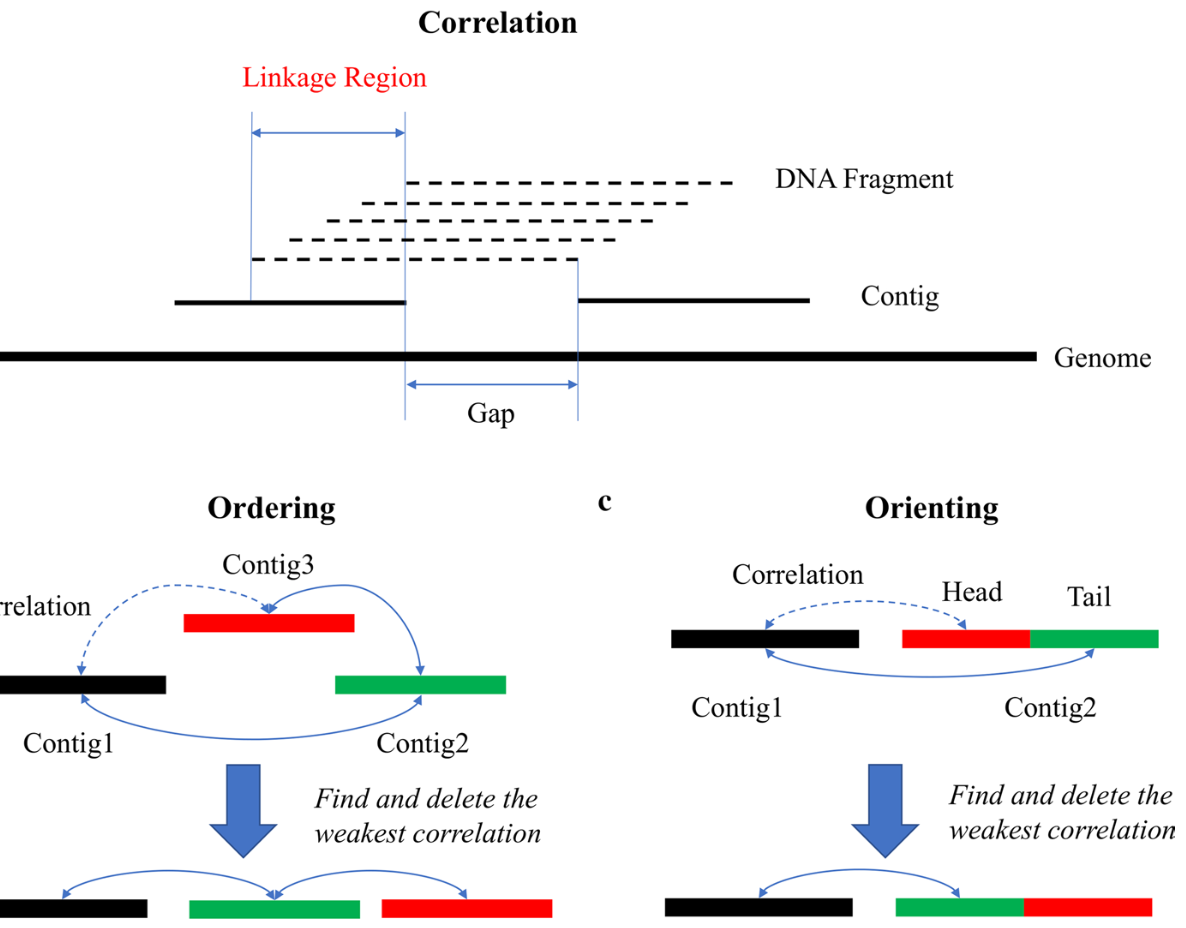
Genome assembly is a fundamental component of genomics research, enabling the reconstruction of complete genetic sequ...
Read More →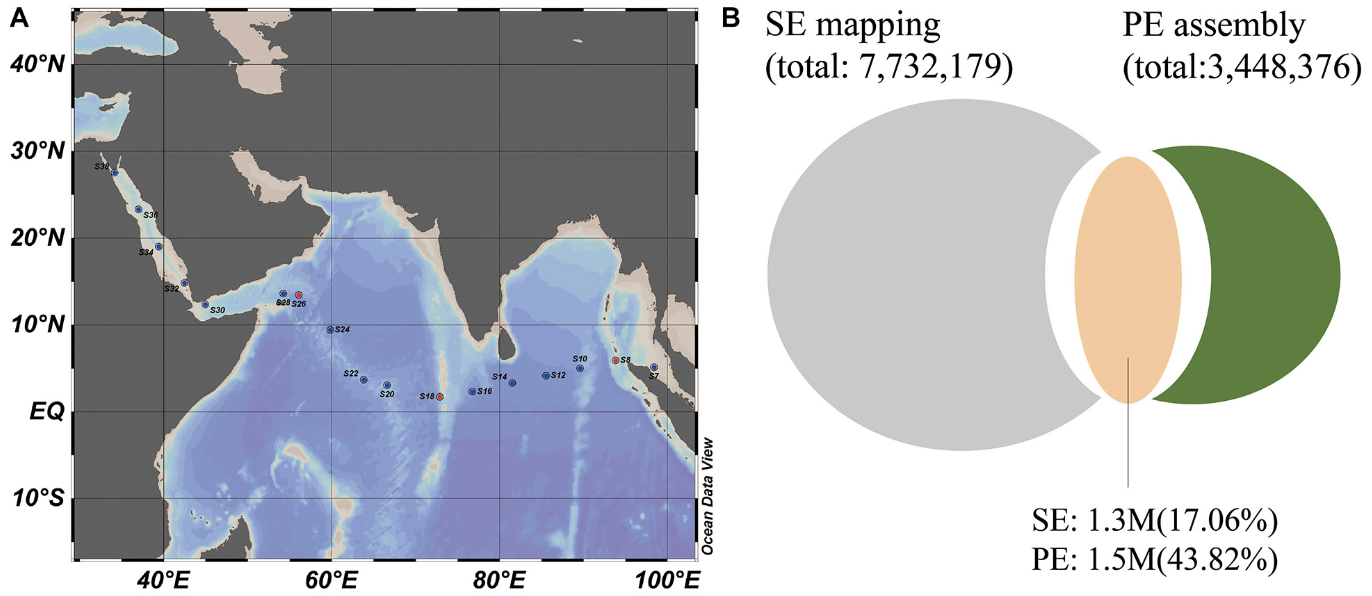
Despite being the third-largest ocean in the world, the Indian Ocean remains one of the least studied regions in term...
Read More →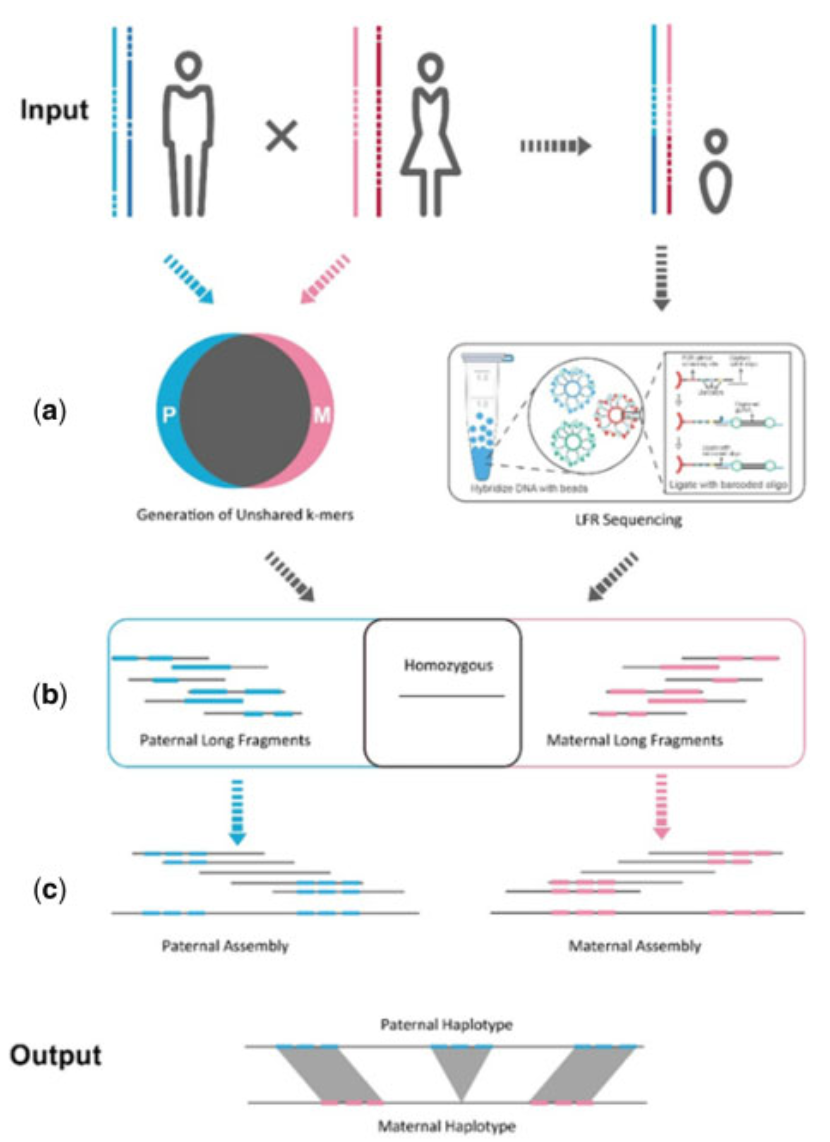
Understanding how genetic variations are inherited and structured within an individual’s genome is key to advancing p...
Read More →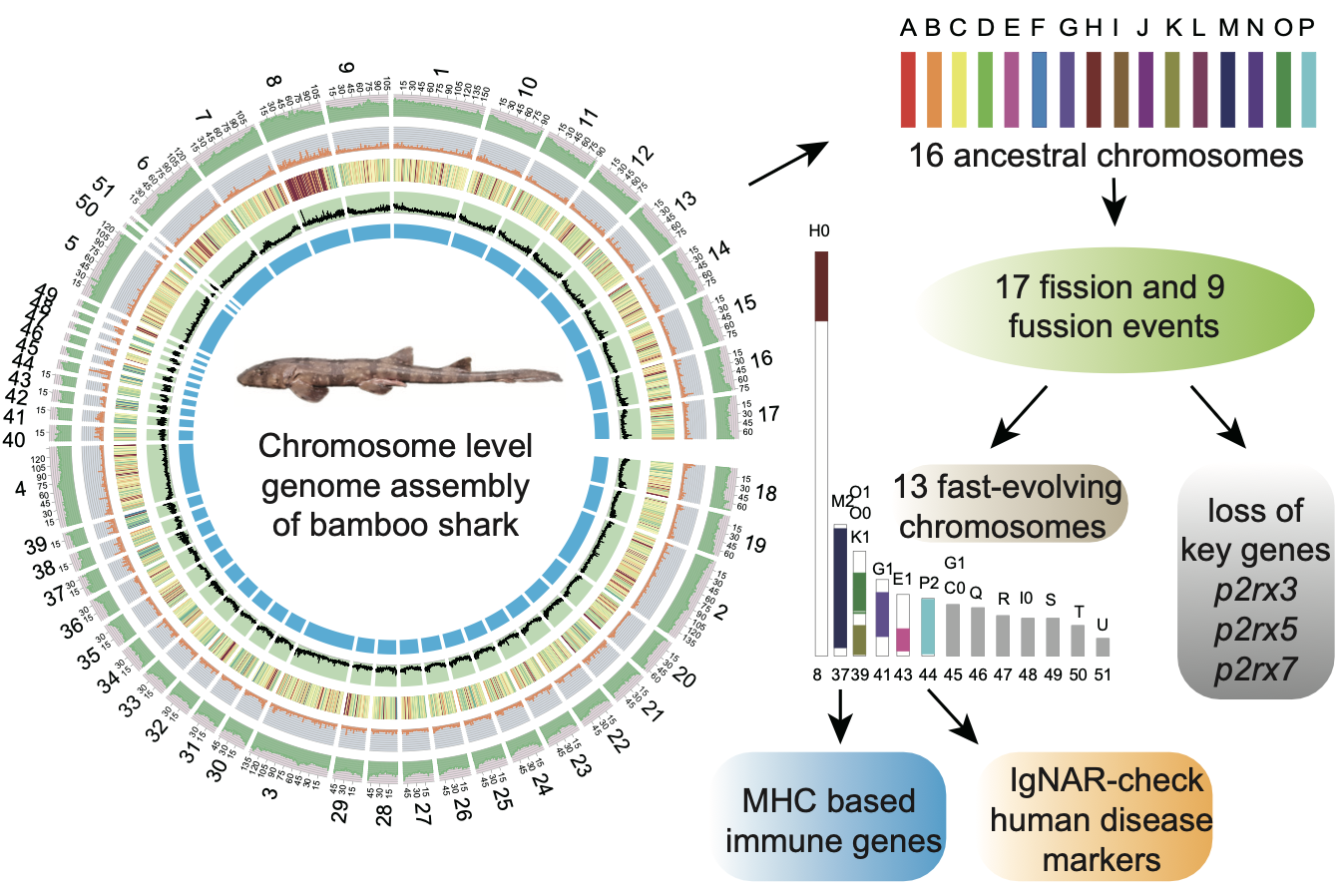
Cartilaginous fish, such as sharks, represent an early branch in vertebrate evolution, offering valuable insights int...
Read More →
The evolutionary history of teleosts is deeply intertwined with continental drift, shaping their genetic diversity an...
Read More →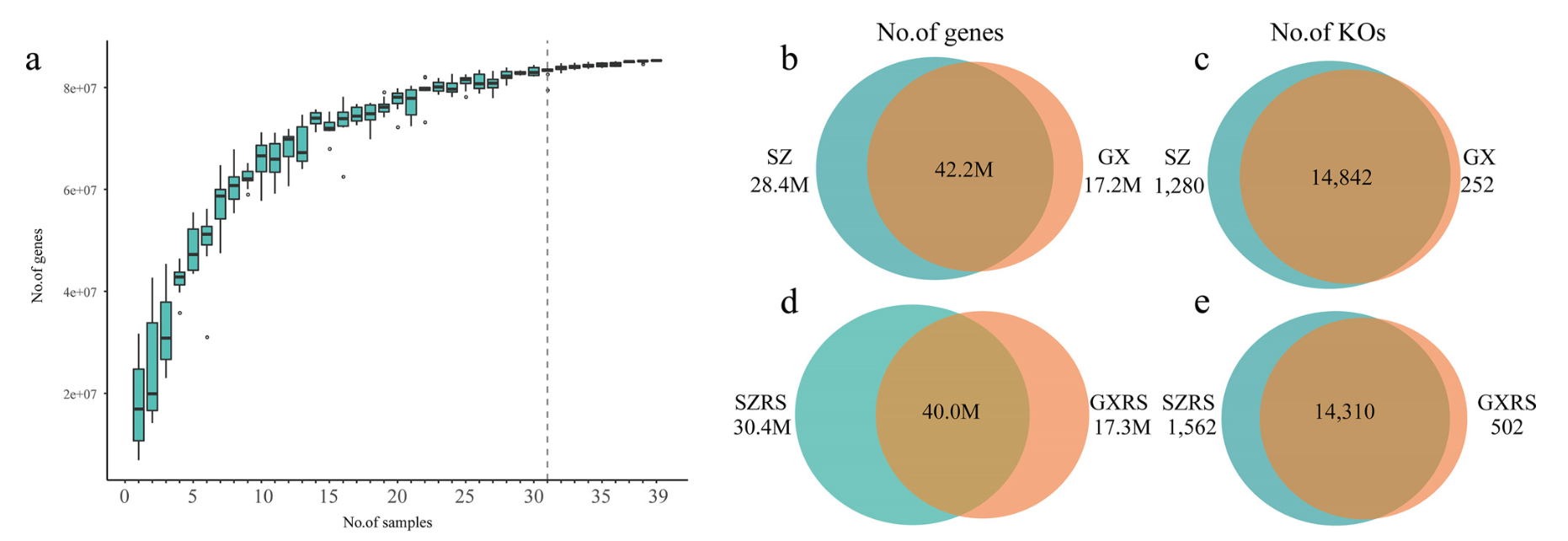
Mangrove ecosystems are unique coastal environments that support diverse microbial communities, playing a crucial rol...
Read More →
The Indo-Pacific humpback dolphin (Sousa chinensis) is a coastal cetacean species facing increasing threats due to ha...
Read More →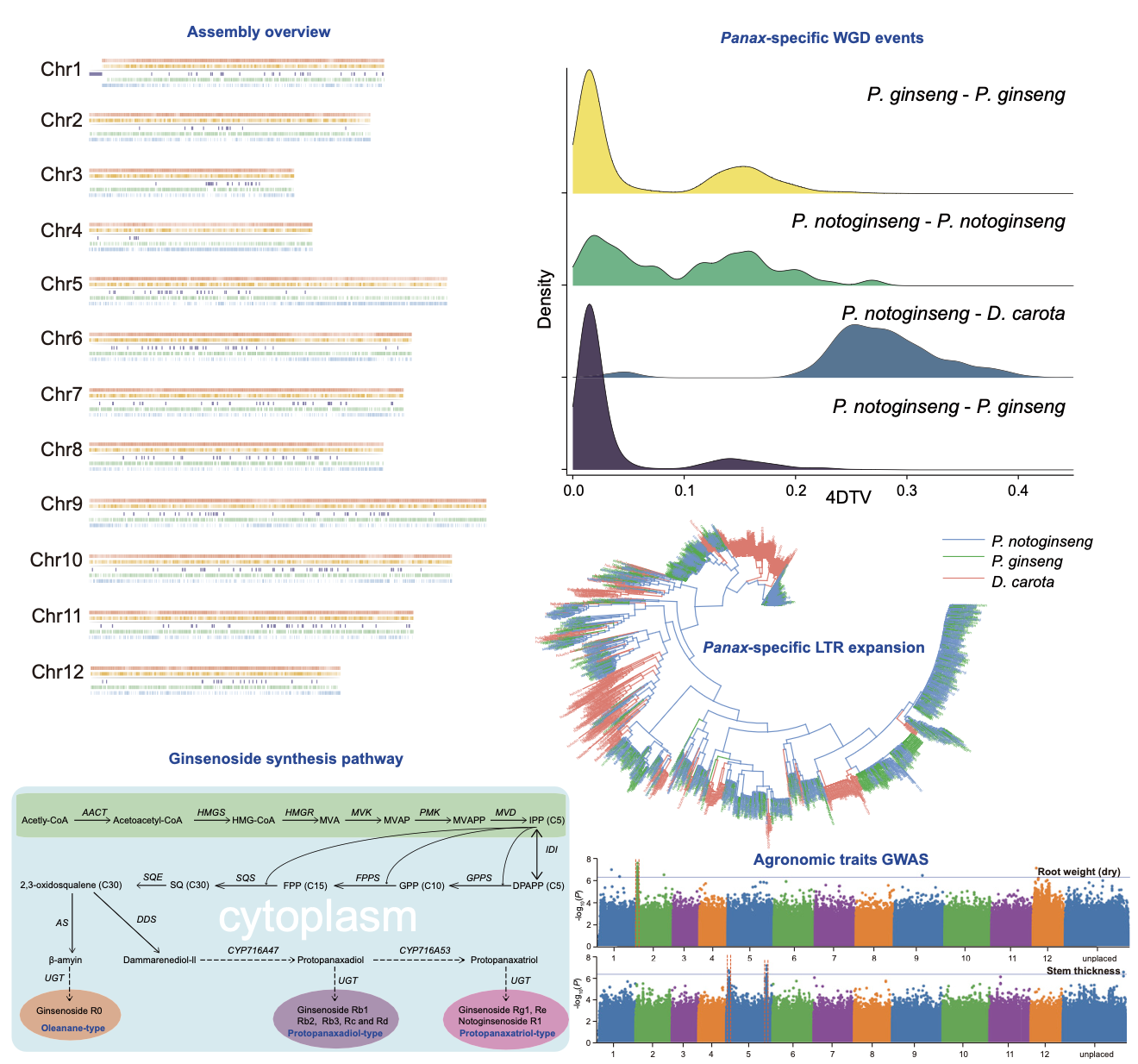
Panax notoginseng (P. notoginseng), a medicinal herb with significant economic and therapeutic value, has long been s...
Read More →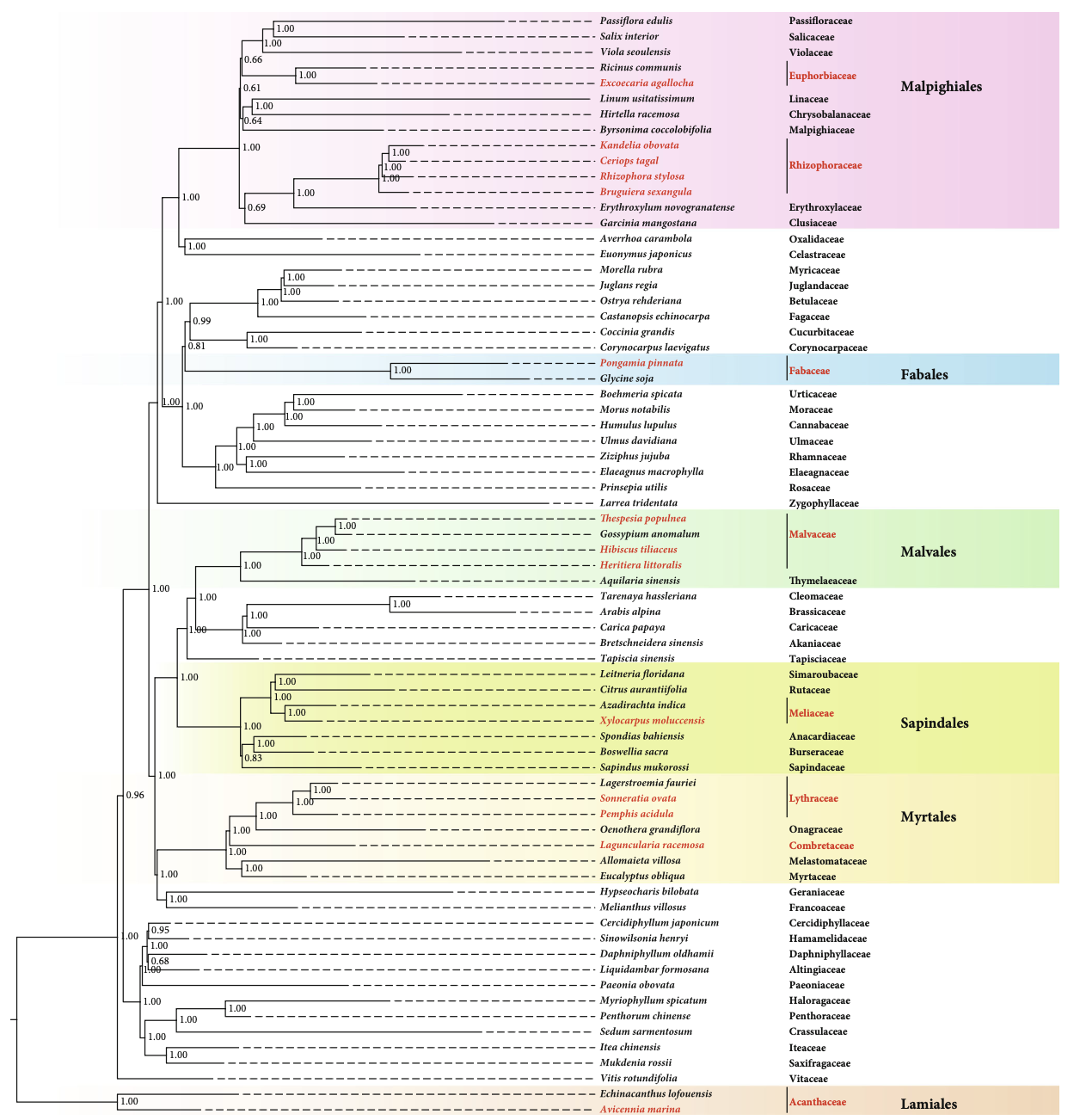
Mangrove ecosystems serve as critical environmental buffers between land and sea, hosting unique plant species that h...
Read More →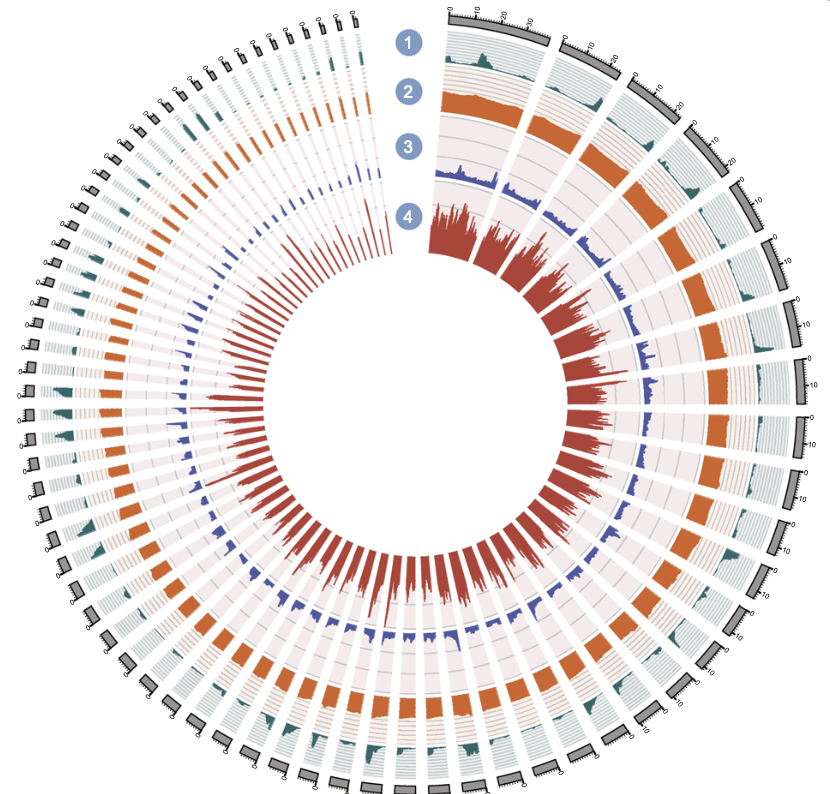
The Mekong tiger perch (Datnioides undecimradiatus) is a vulnerable freshwater fish native to the Mekong basin in Ind...
Read More →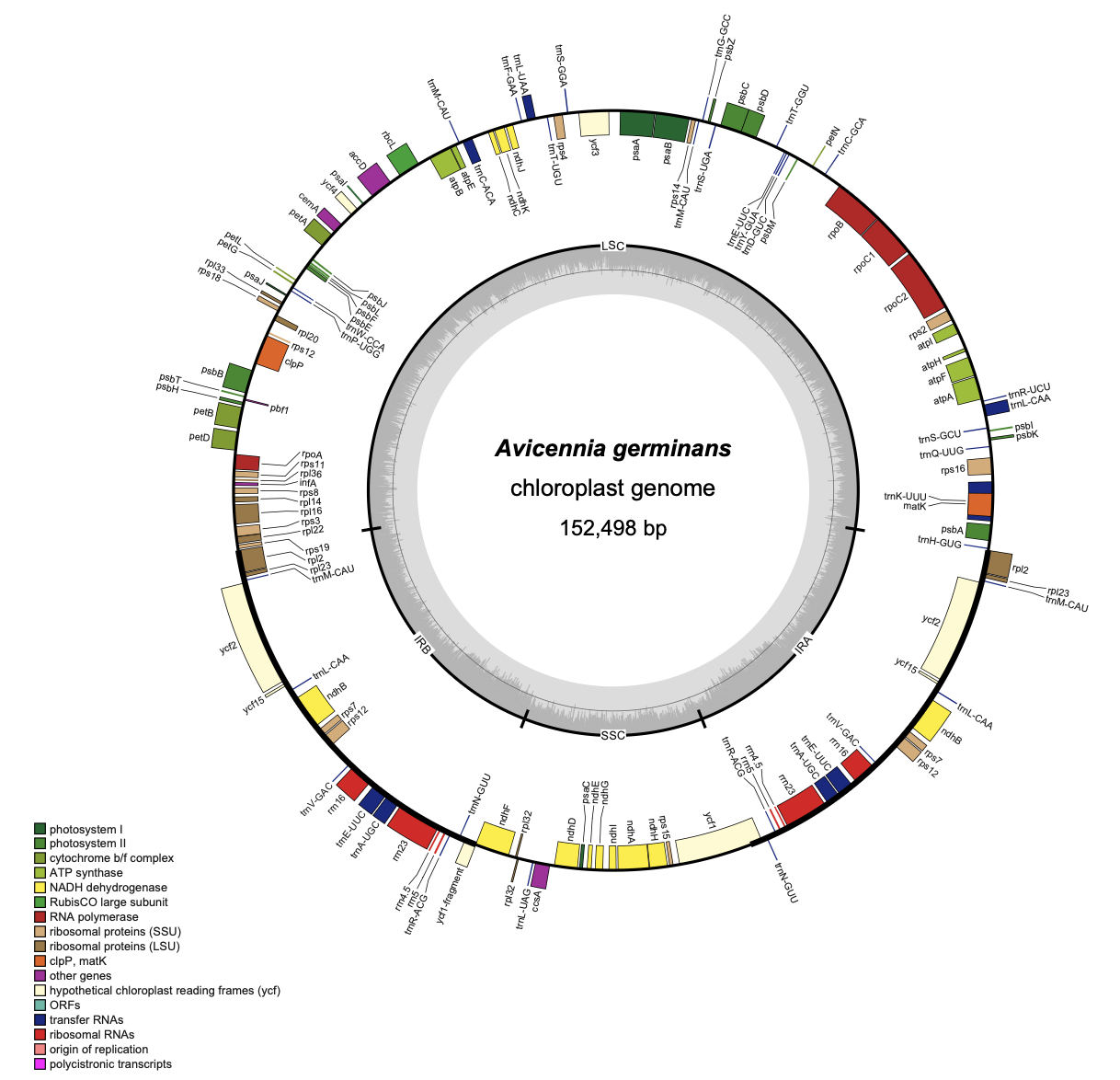
Mangrove forests thrive in coastal tropical and subtropical regions, bridging the gap between terrestrial and marine ...
Read More →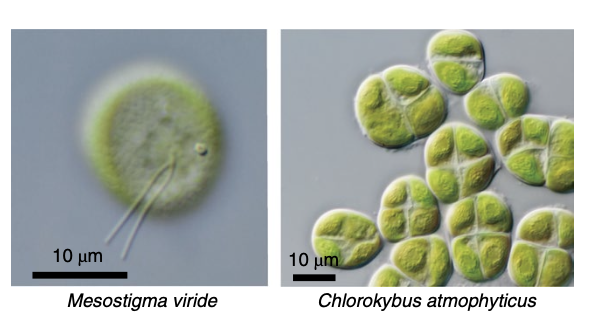
The transition of plants from aquatic to terrestrial environments represents a pivotal moment in evolutionary history...
Read More →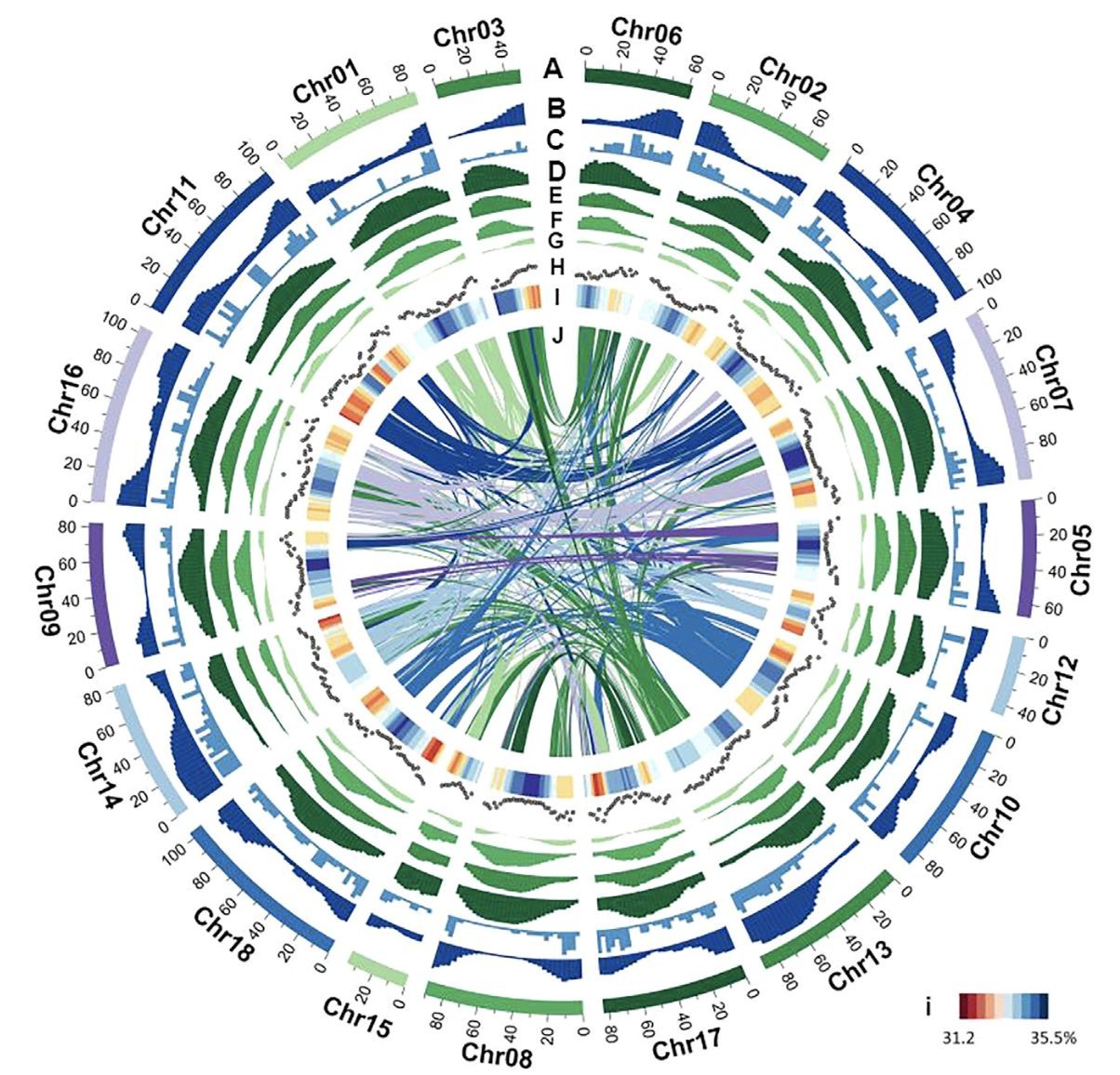
The rubber tree (Hevea brasiliensis) is the primary source of natural rubber, a crucial industrial material with no s...
Read More →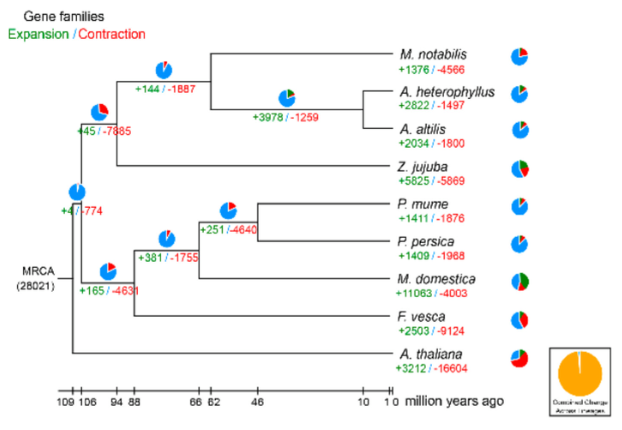
Jackfruit (Artocarpus heterophyllus) and breadfruit (Artocarpus altilis) are two economically and nutritionally signi...
Read More →
Mangrove ecosystems host a diverse range of microorganisms, including fungi that play a crucial role in organic matte...
Read More →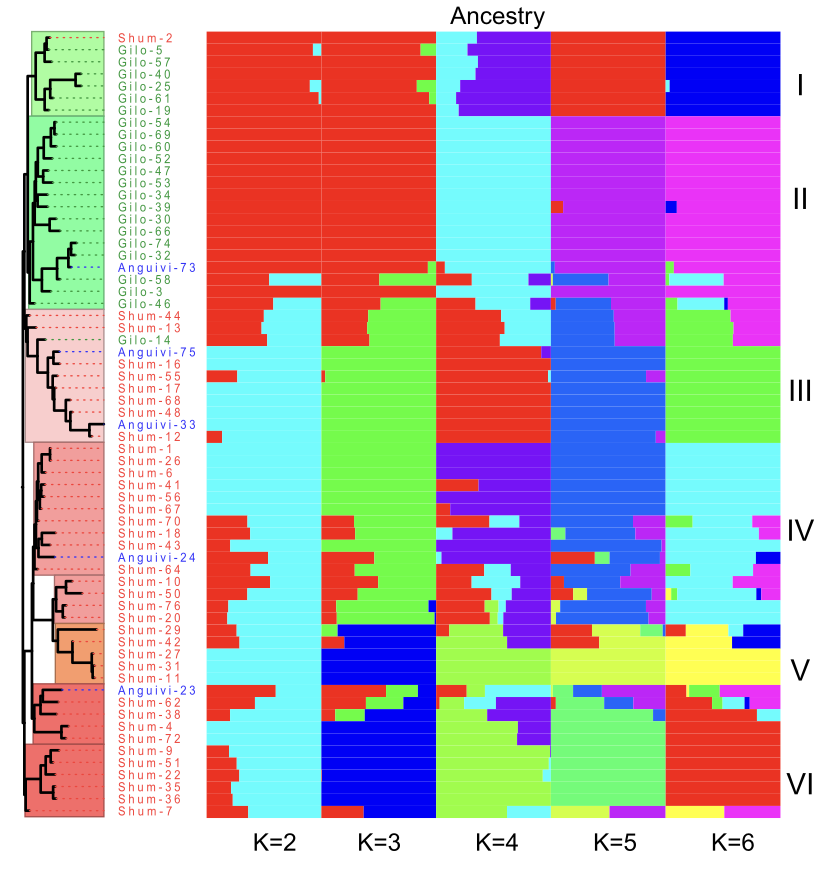
The African eggplant (Solanum aethiopicum) is a vital crop cultivated across tropical Africa for its nutritional and ...
Read More →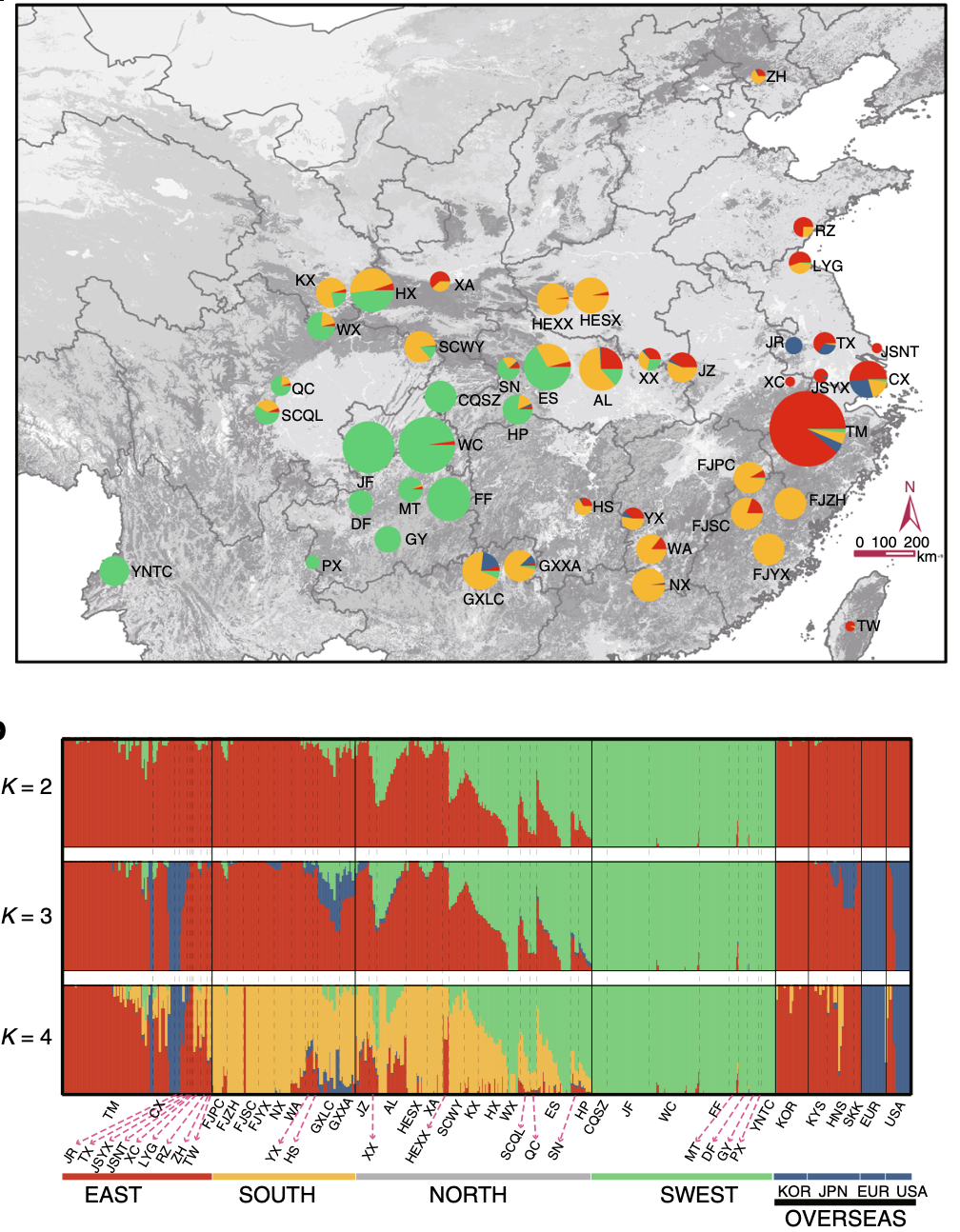
As one of the most ancient living plants, Ginkgo biloba has survived for over 200 million years, maintaining its resi...
Read More →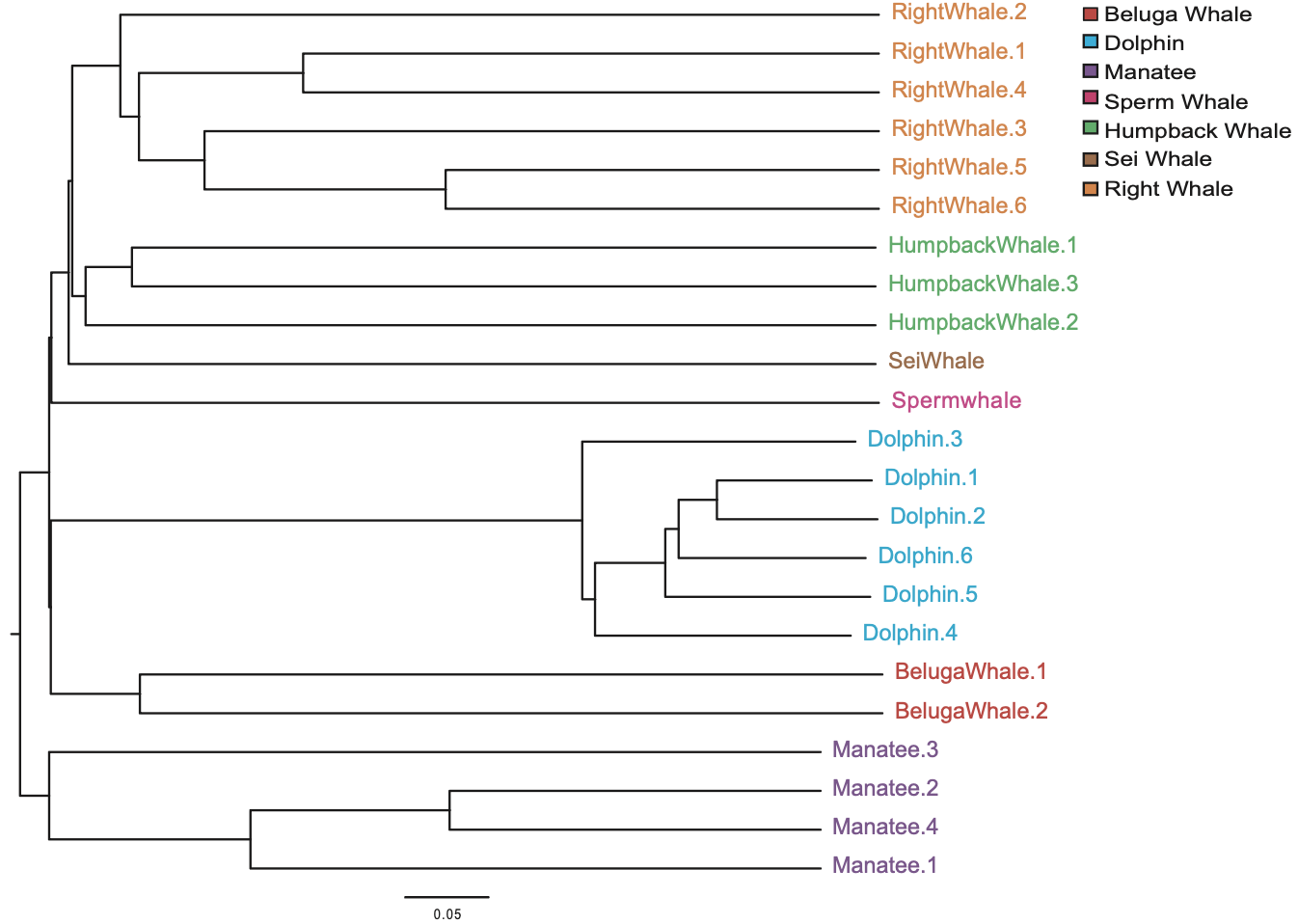
The commensal microbiota of marine mammals plays a crucial role in their health and adaptation to the oceanic environ...
Read More →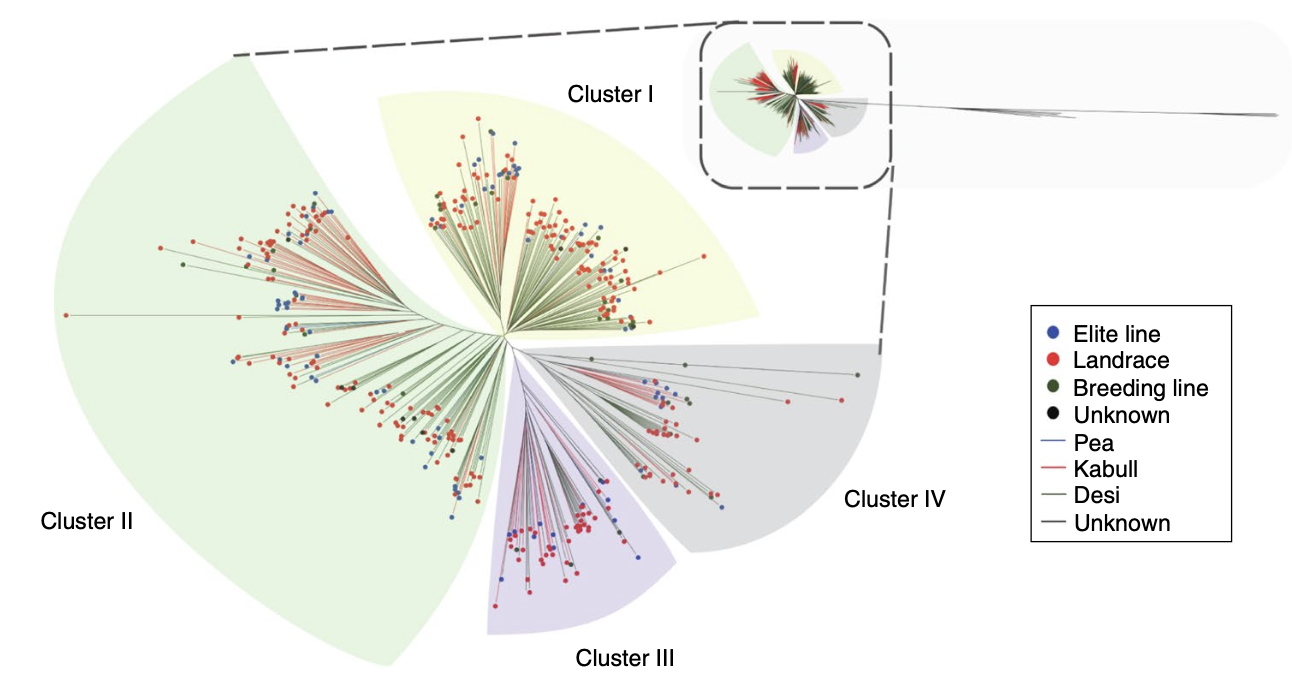
Chickpea (Cicer arietinum) is a staple legume crop with immense nutritional and agricultural importance. Understandin...
Read More →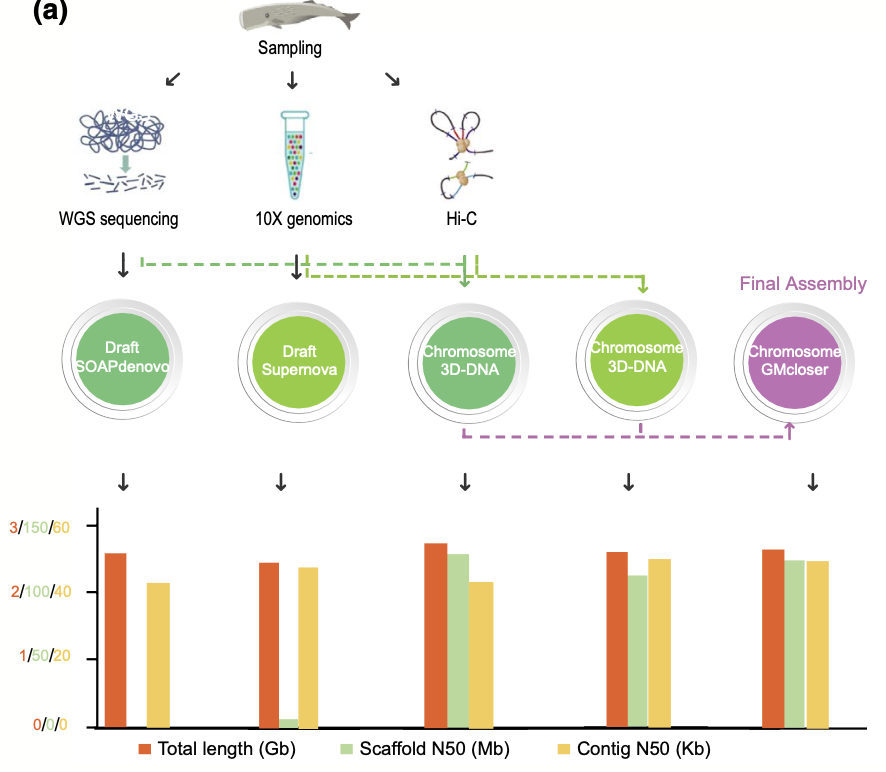
Marine mammals offer unique evolutionary models, demonstrating adaptations to aquatic environments through physiologi...
Read More →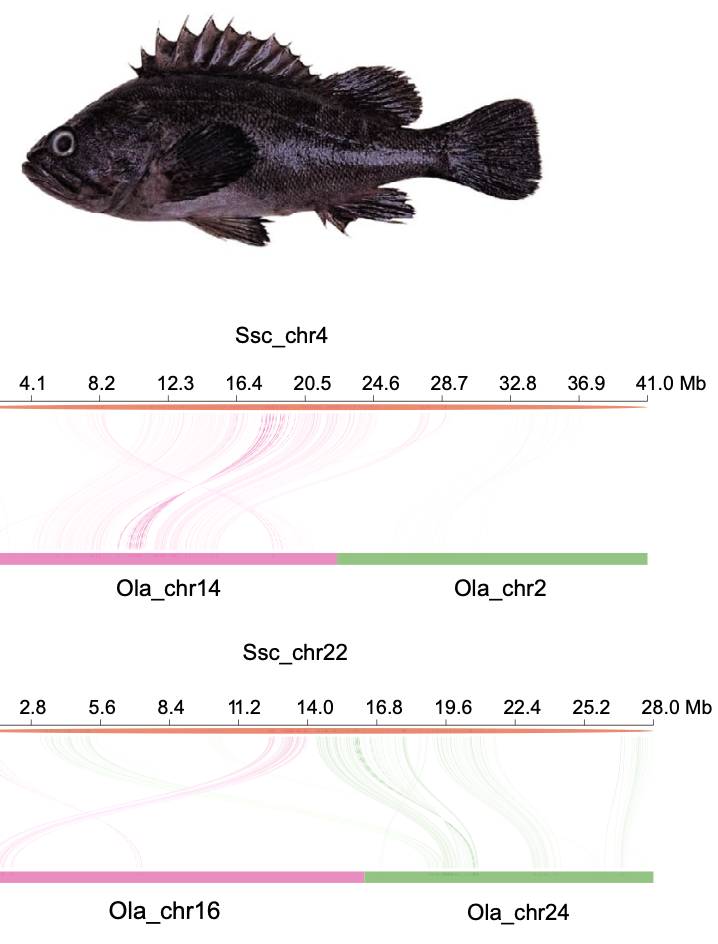
The black rockfish (Sebastes schlegelii) is a teleost species that exhibits viviparity, a reproductive strategy in wh...
Read More →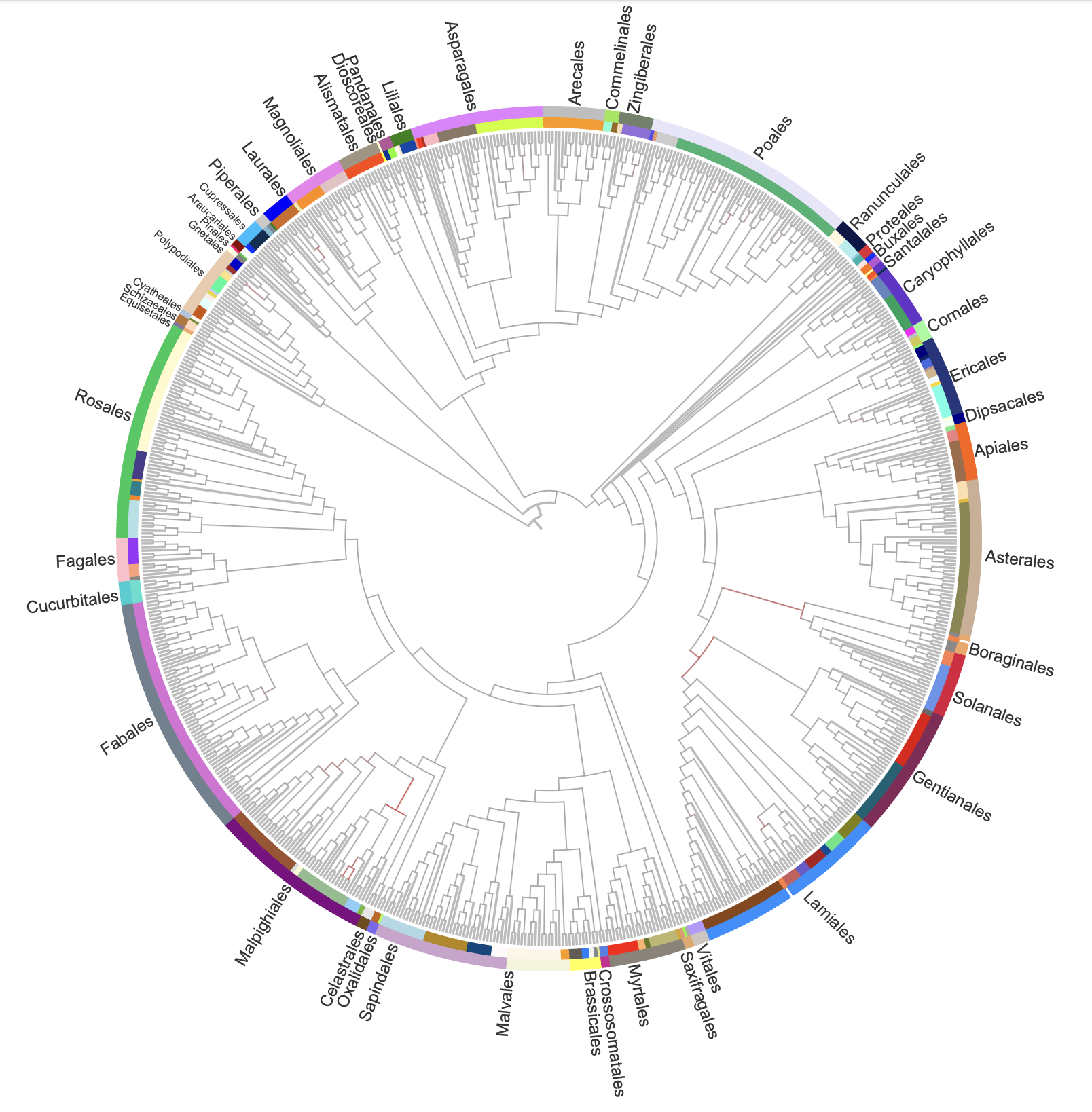
Genome sequencing has transformed plant research, offering insights into species diversity, evolution, and adaptation...
Read More →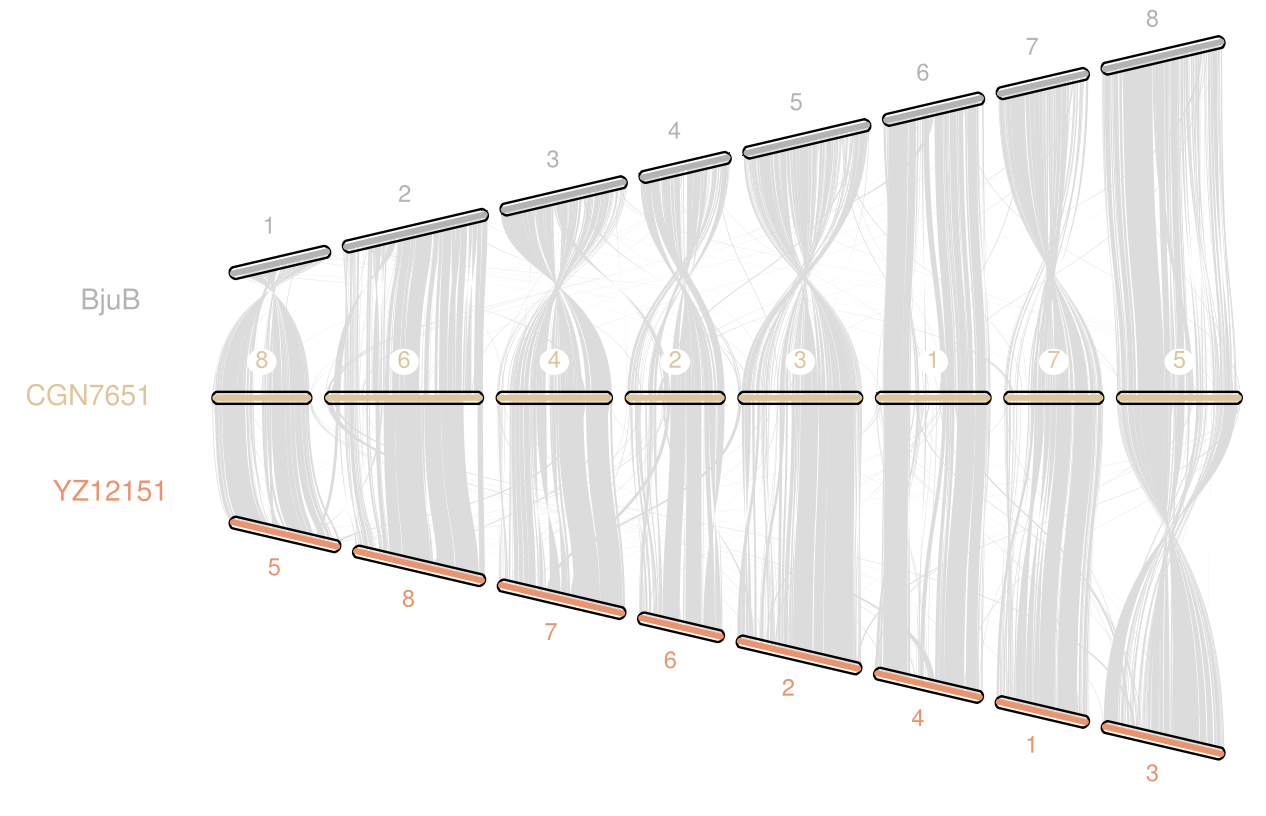
Brassica species are essential for agriculture and evolutionary studies, with genomes shaped by polyploidization even...
Read More →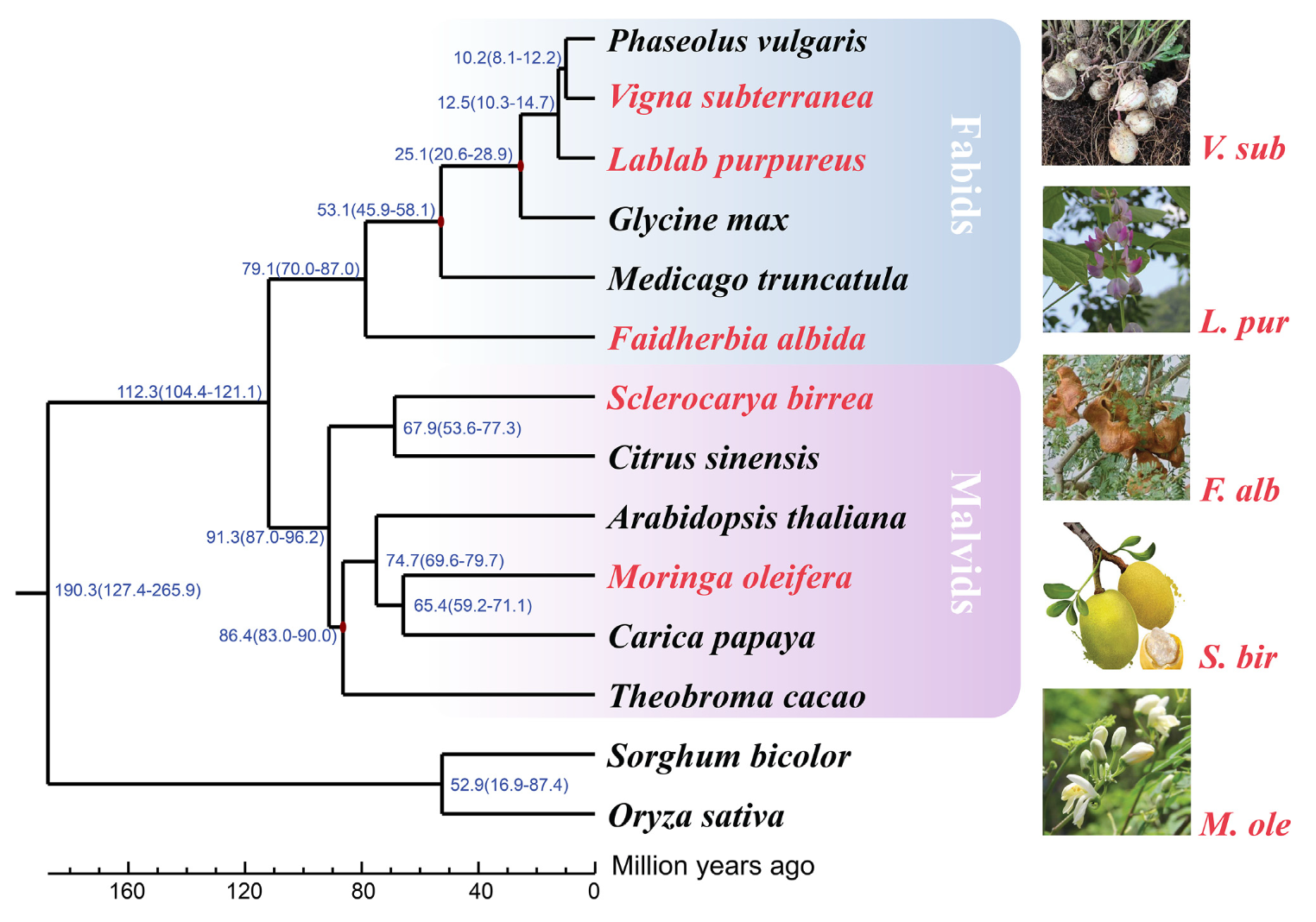
To diversify global food supplies and enhance nutrition security, underutilized crops—often referred to as orphan cro...
Read More →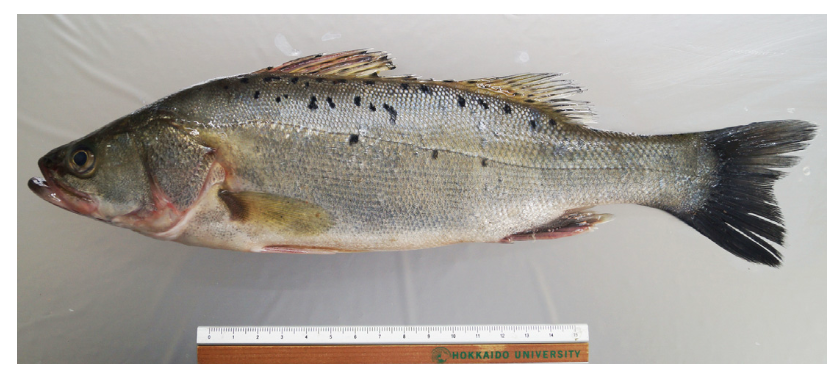
The spotted sea bass (Lateolabrax maculatus) is a commercially valuable fish widely cultivated in China. Despite its ...
Read More →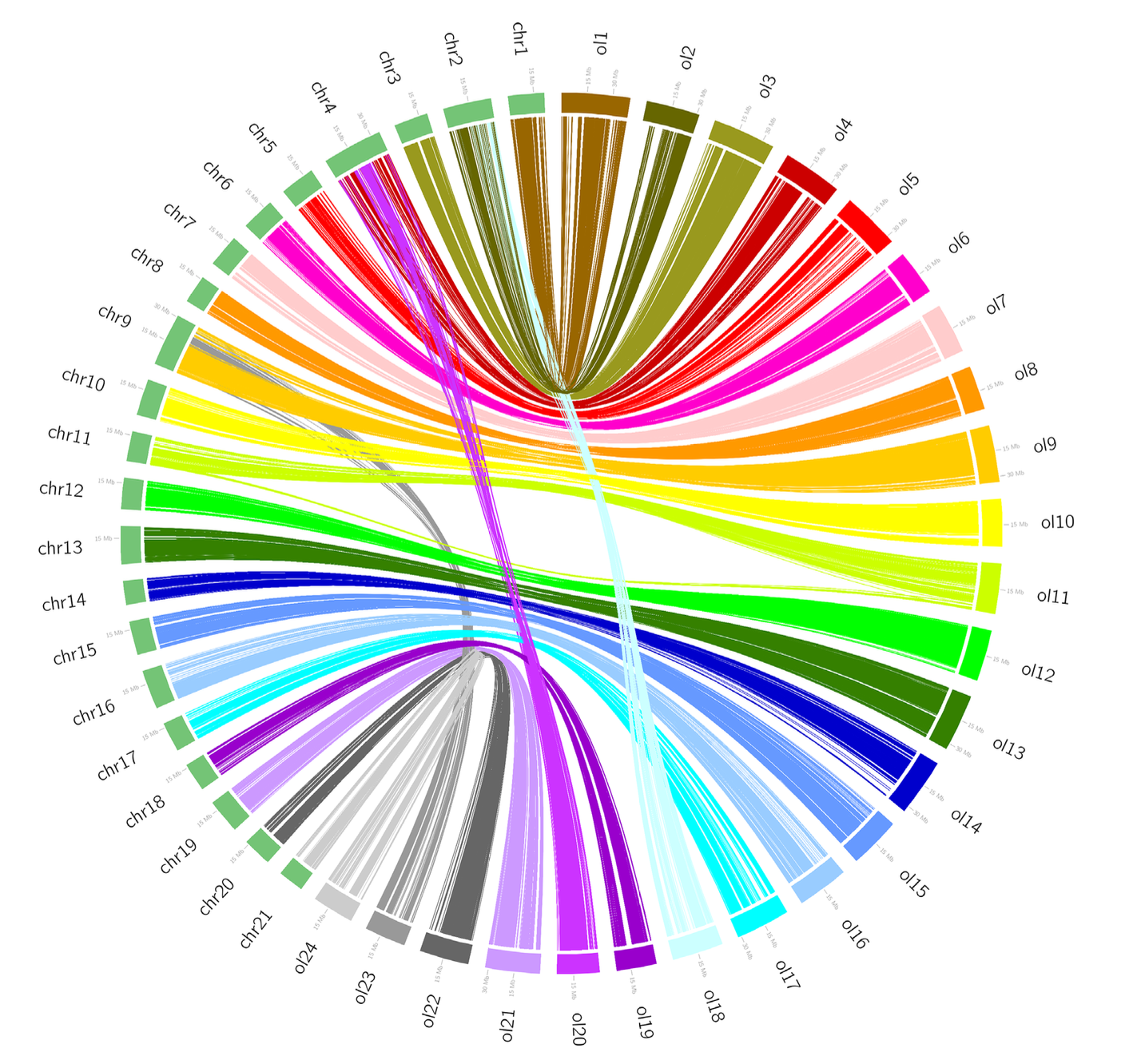
The Siamese fighting fish (Betta splendens) is well known for its highly aggressive behavior, making it a valuable mo...
Read More →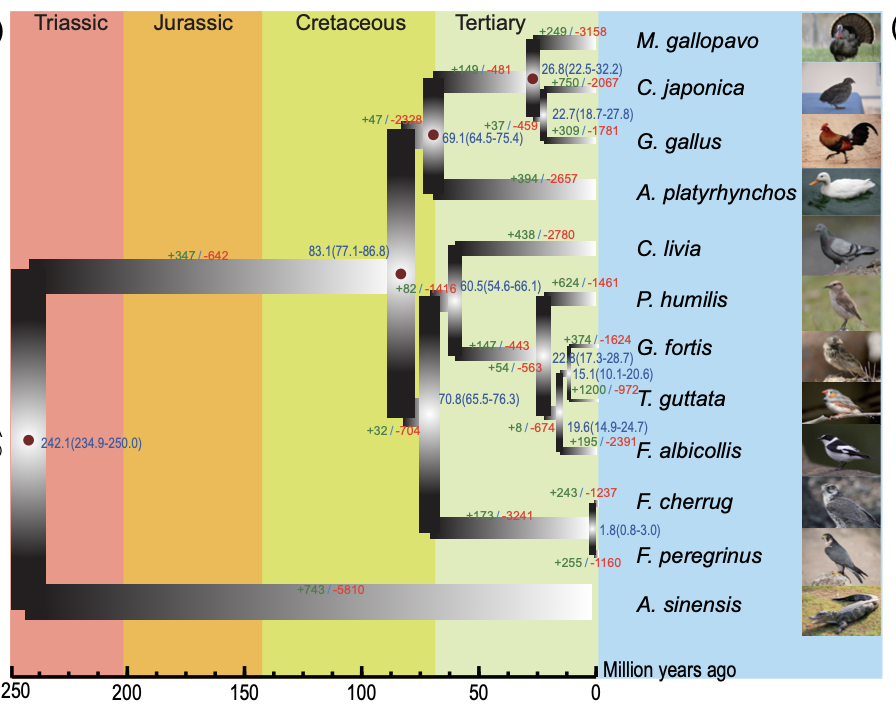
The Japanese quail (Coturnix japonica) is a poultry species with significant agricultural and scientific value. As a ...
Read More →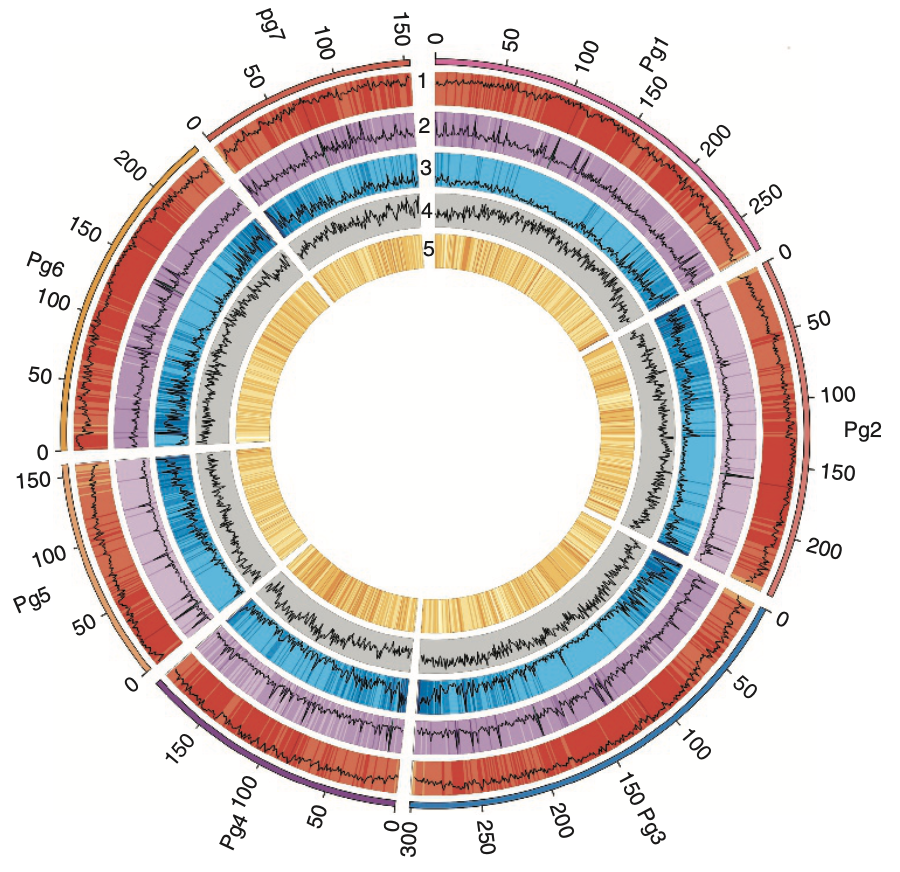
Pearl millet (Cenchrus americanus) is a staple crop for over 90 million farmers in arid and semi-arid regions, partic...
Read More →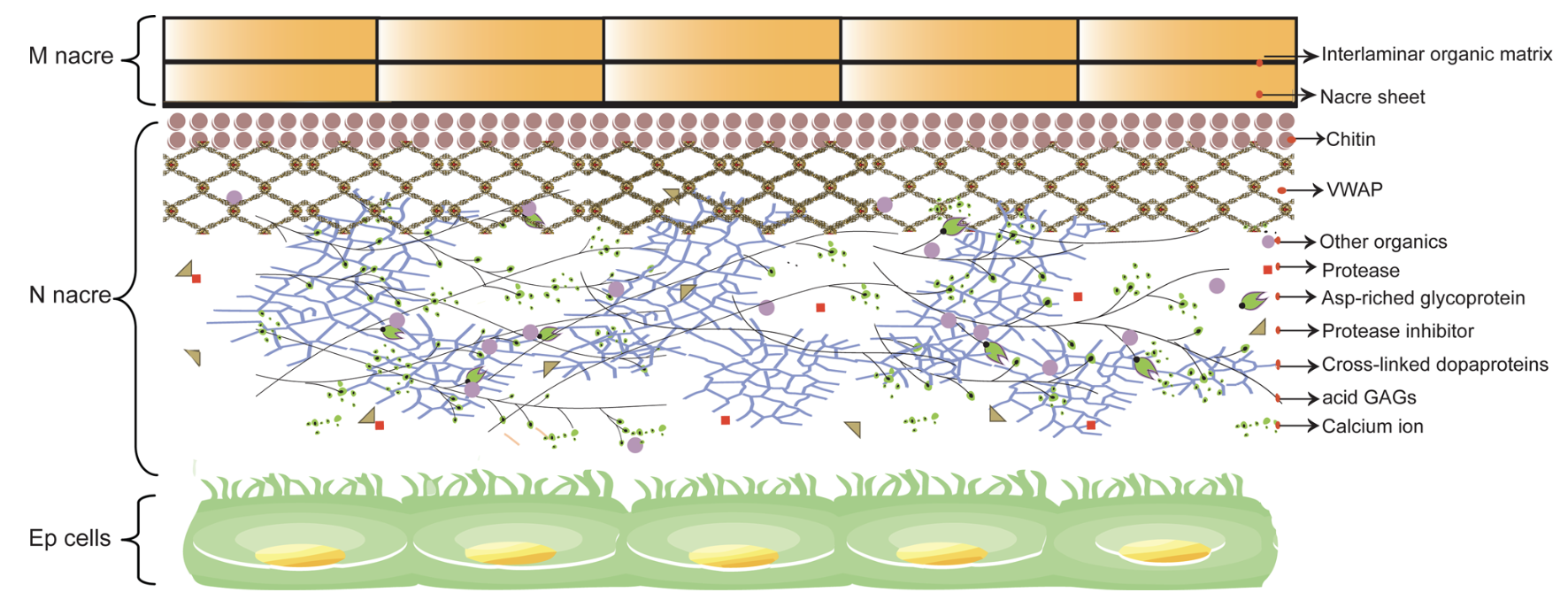
Pearl-producing mollusks have long been recognized as economically valuable species, not only for their exquisite pea...
Read More →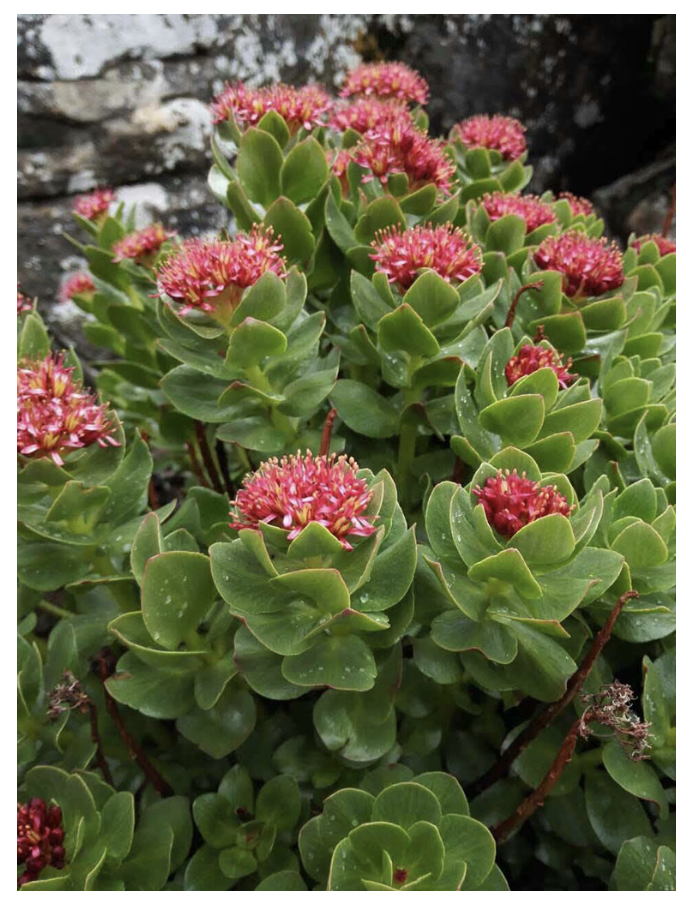
Rhodiola crenulata (R. crenulata) is a highly valued medicinal plant, particularly in traditional Chinese and Tibetan...
Read More →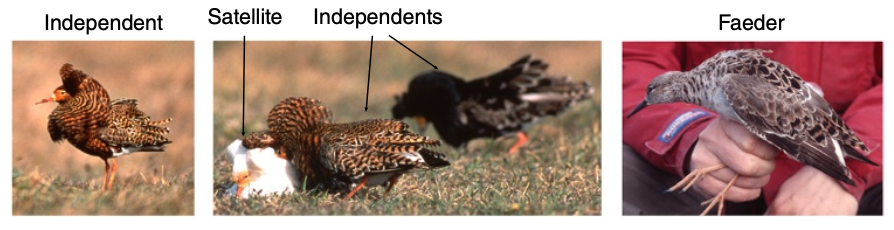
The ruff (Philomachus pugnax) is a migratory wading bird with one of the most complex and fascinating mating systems ...
Read More →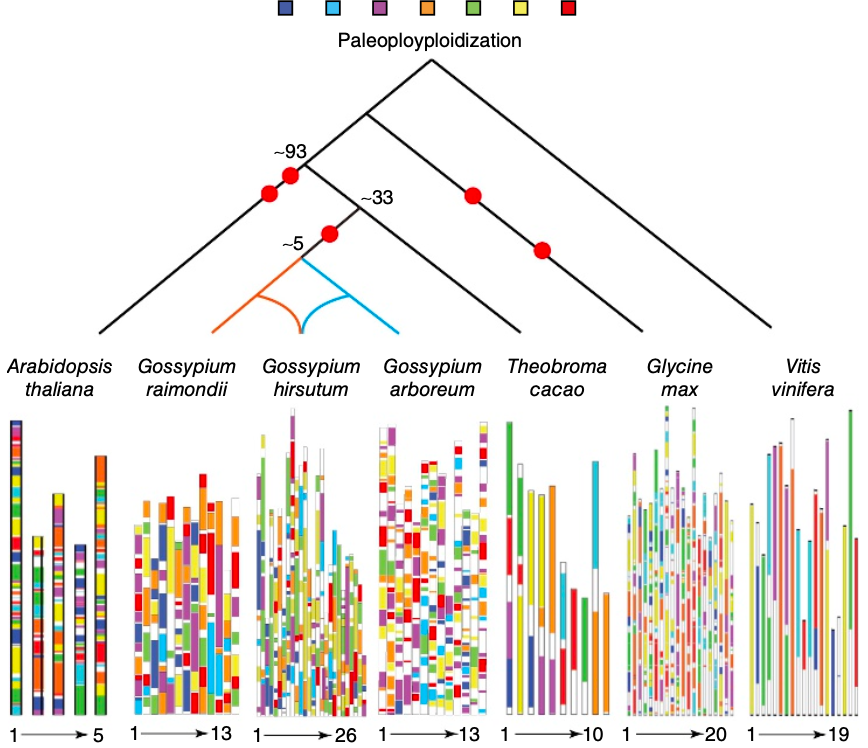
Our 2015 study in Nature Biotechnology presents the first high-quality assembly of the cultivated Upland cotton (TM-1...
Read More →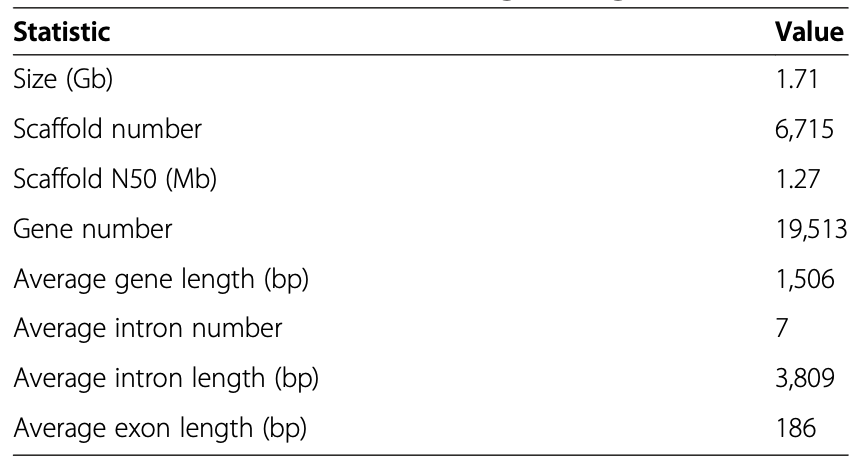
The transition from lizard-like to snake-like body forms represents one of the most intriguing evolutionary transform...
Read More →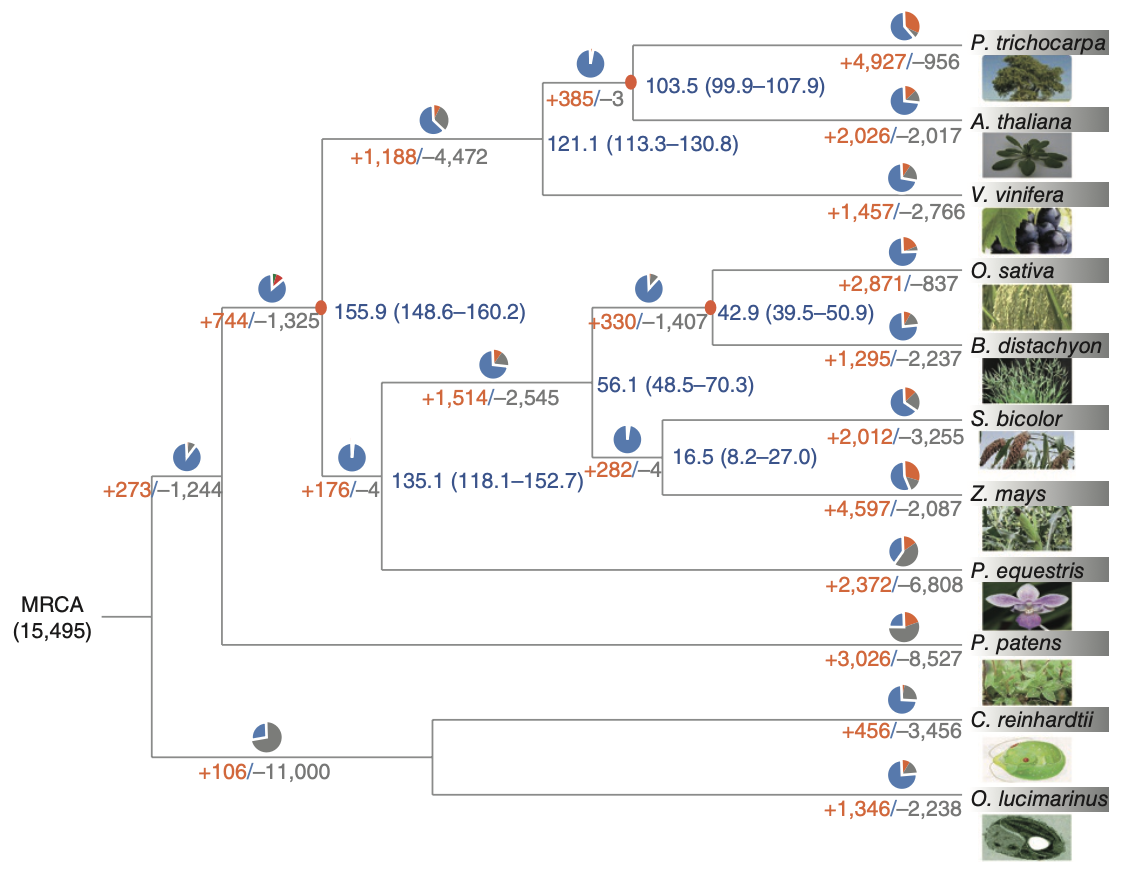
Orchids are one of the most diverse and fascinating plant families, displaying remarkable floral adaptations and ecol...
Read More →
Peach (Prunus persica) is one of the most economically and culturally significant fruit crops, with a long history of...
Read More →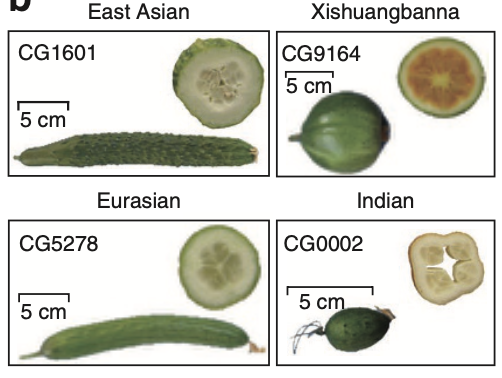
Most fruits consumed today are the result of long-term domestication and breeding efforts. However, the genetic basis...
Read More →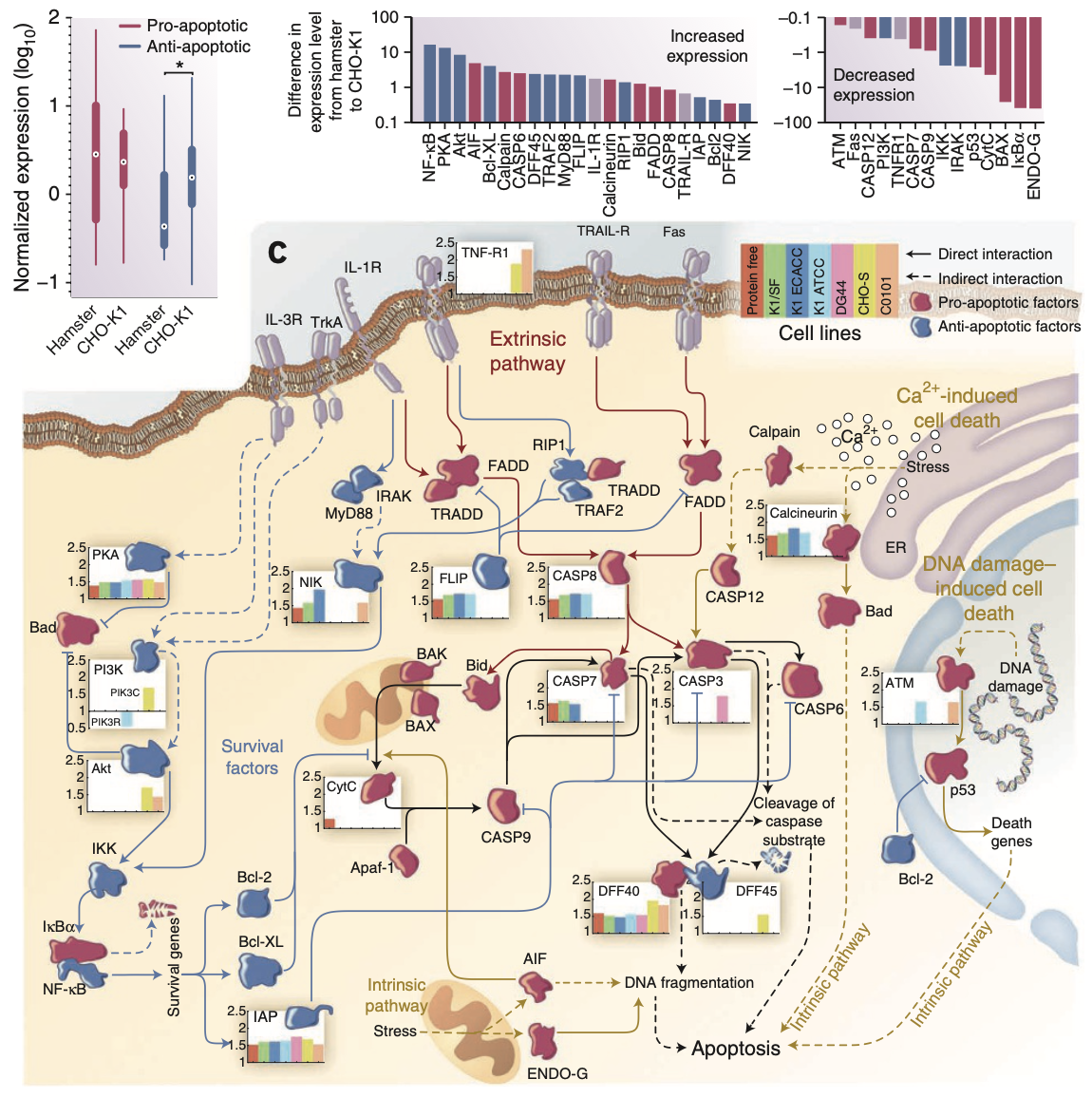
Chinese hamster ovary (CHO) cells are the preferred production hosts for biopharmaceuticals, widely used for the deve...
Read More →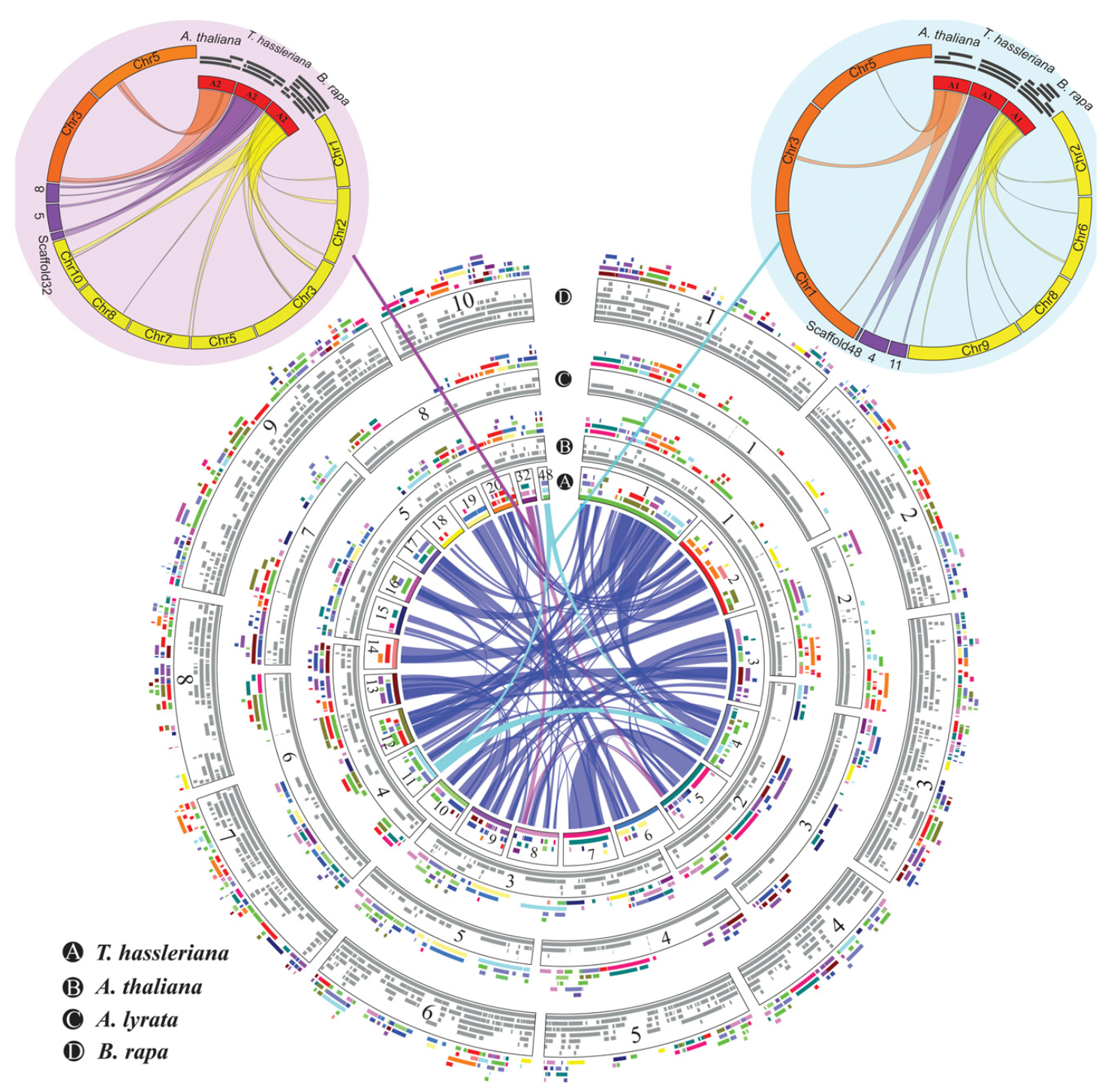
Our collaborative study in The Plant Cell reveals how whole-genome duplication and subsequent gene evolution shaped t...
Read More →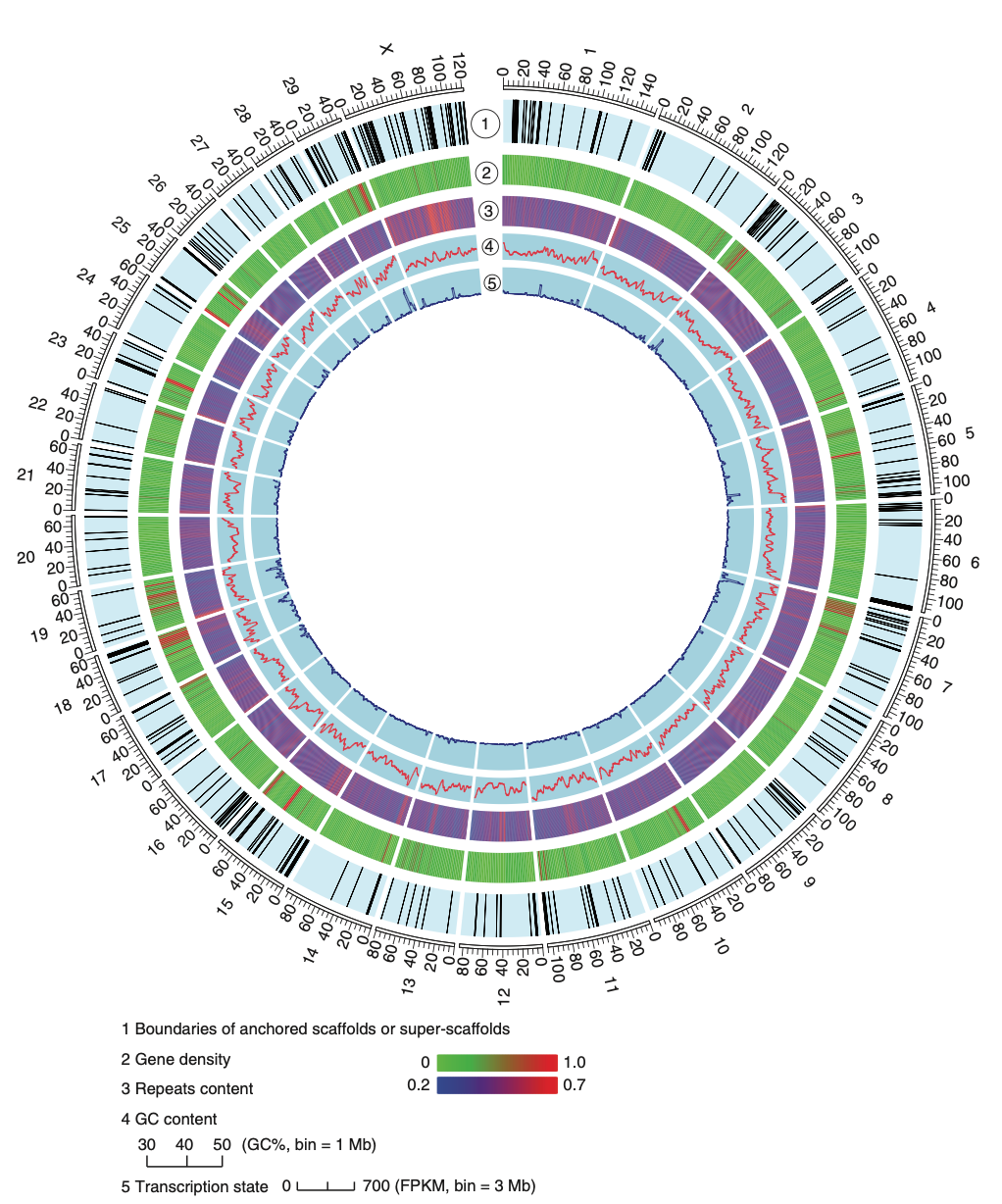
Our collaborative research in Nature Biotechnology presents the first high-quality reference genome of the domestic g...
Read More →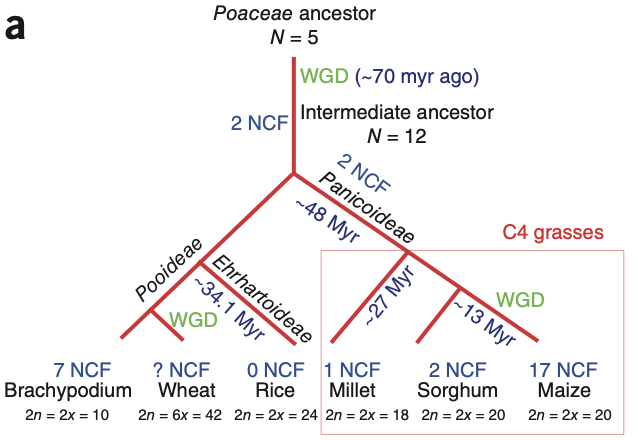
Foxtail millet (Setaria italica) is a drought-tolerant crop with rich nutritional value and historical significance, ...
Read More →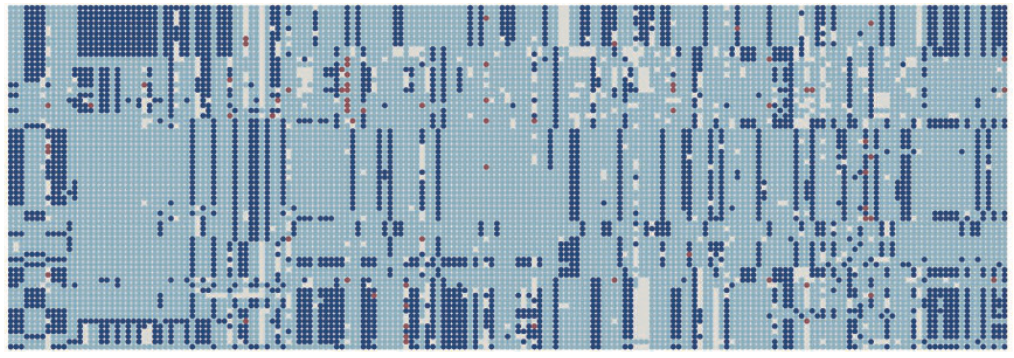
Our 2012 study in Nature Genetics characterized 55 million SNPs across 103 maize varieties, providing a transformativ...
Read More →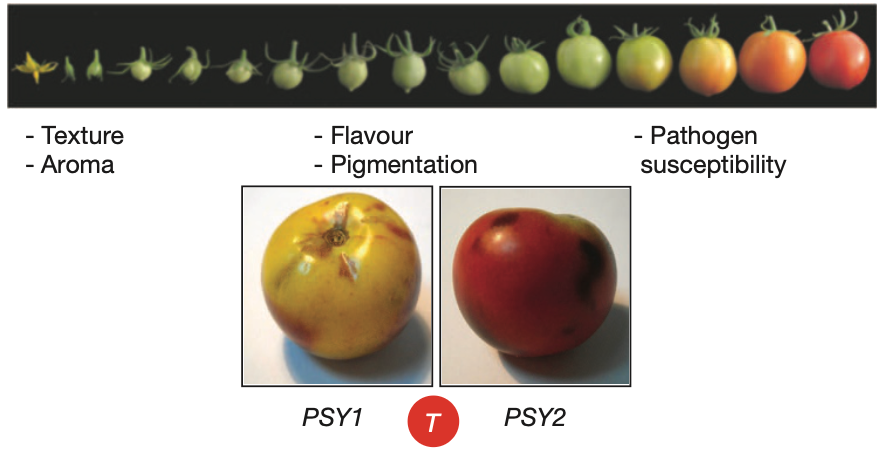
Our 2011 study in Nature, as part of the Tomato Genome Consortium, provides a high-quality reference genome of tomato...
Read More →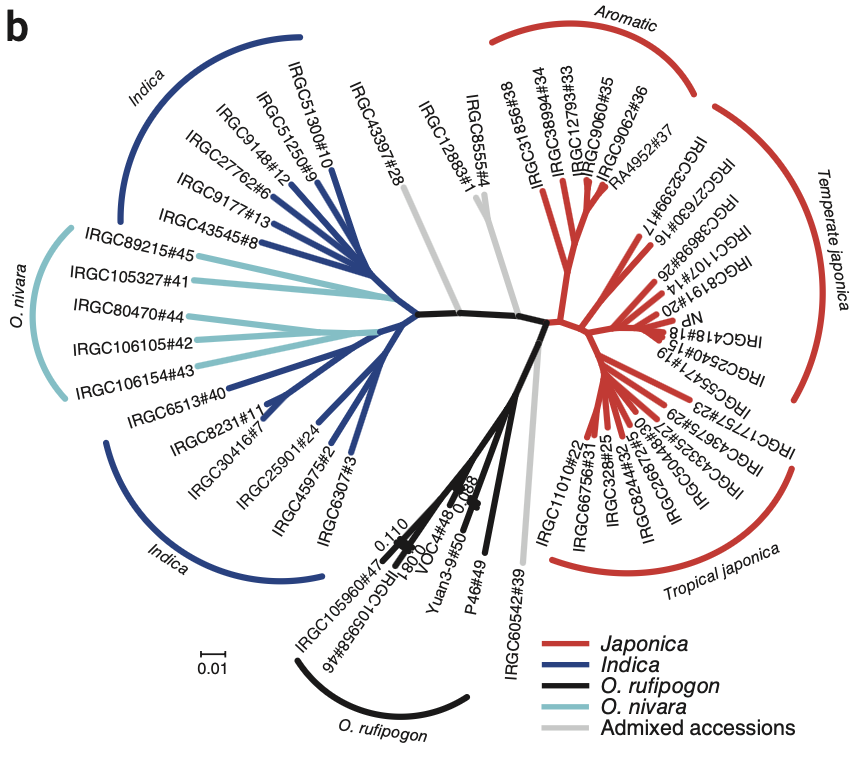
Rice (Oryza sativa) is a staple food crop that has undergone extensive domestication, resulting in significant phenot...
Read More →
Our 2011 study in Nature Biotechnology presented the first draft genome of the CHO-K1 cell line, providing a transfor...
Read More →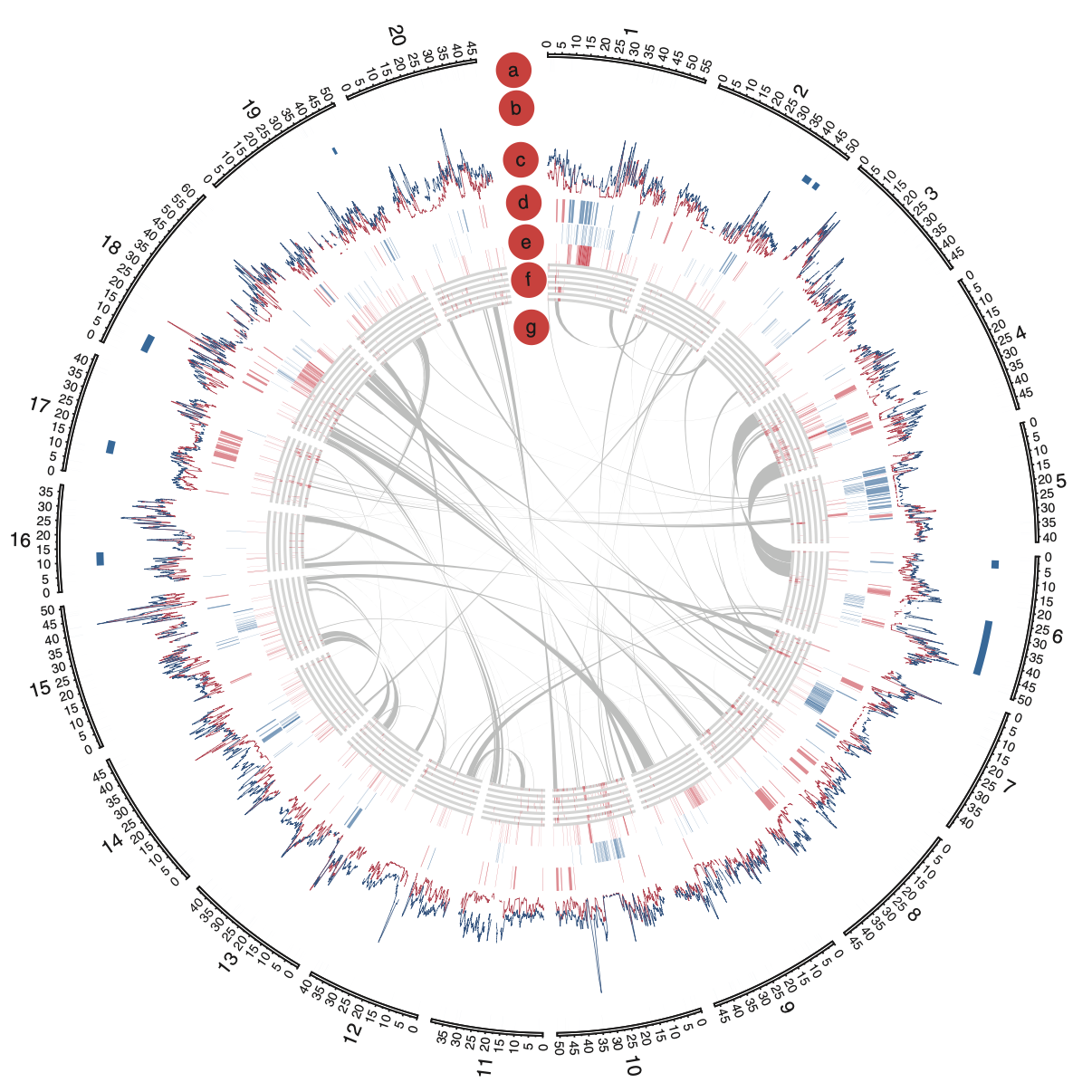
Soybean (Glycine max) is a critical crop globally, serving as a major source of protein and oil. Understanding its ge...
Read More →