Nature: The Tomato Genome Sequence Decodes the Evolution of Fleshy Fruits
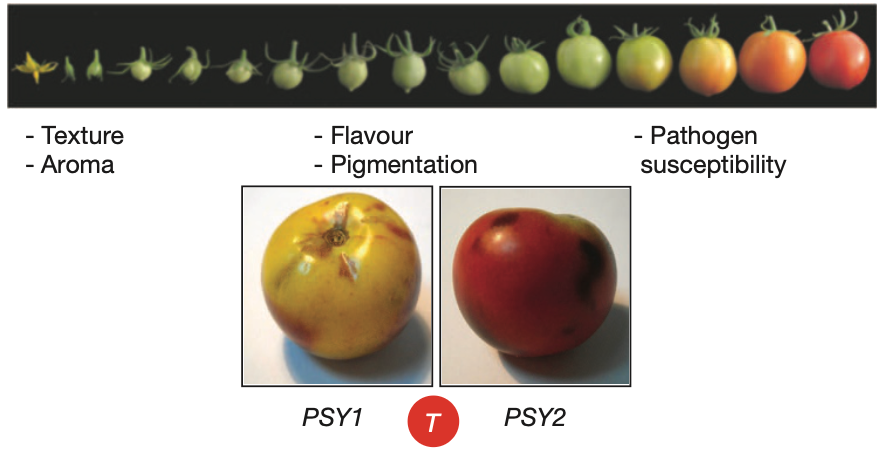
Our 2011 study in Nature, as part of the Tomato Genome Consortium, provides a high-quality reference genome of tomato, uncovering the genetic drivers behind fruit specialization and domestication.
The study “The tomato genome sequence provides insights into fleshy fruit evolution,” co-authored by members of the XinLab team within the Tomato Genome Consortium, was published as a cover article in Nature.
Background
Tomato (Solanum lycopersicum) is both a major global crop and a premier model system for fruit development. Understanding its genetic blueprint is essential for unraveling the mysteries of Solanaceae evolution and for improving modern varieties in terms of flavor, shelf-life, and disease resistance.
Key Breakthroughs
- High-Quality Reference Genome: We assembled the ~900 Mb genome of the ‘Heinz 1706’ cultivar and a draft of its wild relative, S. pimpinellifolium. The two show a mere 0.6% nucleotide divergence, highlighting the intense selection during domestication.
- Genome Triplications & Neofunctionalization: The Solanum lineage experienced two consecutive genome triplications. These events provided the genetic redundant “backups” that eventually evolved new functions, specifically those controlling fruit characteristics such as texture and pigmentation.
- Synteny and Inversions with Potato: Comparison with the potato genome revealed high synteny but also nine large chromosomal inversions. This comparative map explains how these closely related species diverged into distinct forms—one producing fleshy berries and the other underground tubers.
- Small RNA Distribution: Unlike Arabidopsis, but similar to soybean, tomato small RNAs map predominantly to gene-rich regions and promoters, suggesting unique regulatory mechanisms in the Solanum genus.
Impact & Significance
The publication of the tomato genome provided an “encyclopedia” for plant breeders. It has accelerated the identification of genes responsible for essential traits, such as lycopene content and pathogen resistance, enabling the development of more nutritious and resilient crops.
Collaborative Effort
This milestone was achieved by an international consortium of over 300 scientists across 14 countries. We are lucky enough to have participated in this project.
Read the full article here: https://doi.org/10.1038/nature11119