
Decoding the Rapid Growth of Bamboo via Single-Cell Spatiotemporal Atlas
Our recent study in PNAS leverages Stereo-seq to provide the first high-resolution characterization of intercalary me...
Read More →Found 39 posts with this tag
Our recent study in PNAS leverages Stereo-seq to provide the first high-resolution characterization of intercalary me...
Read More →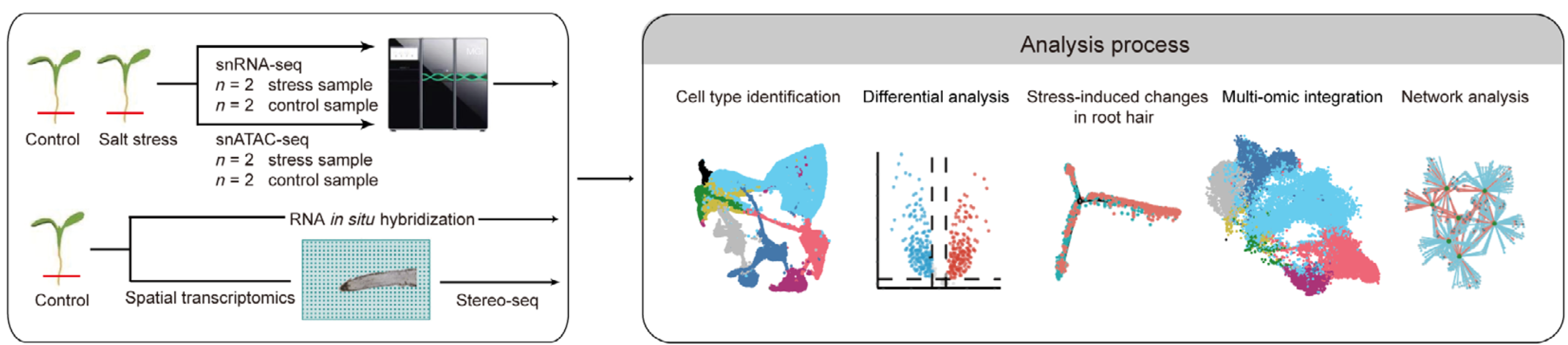
Our recent paper introduced findings on mechanisms underlying salt-tolerance in non-heading Chinese cabbage using sin...
Read More →
Our recent review paper comprehensively introduced spatial transcriptome technologies and their applications in plant...
Read More →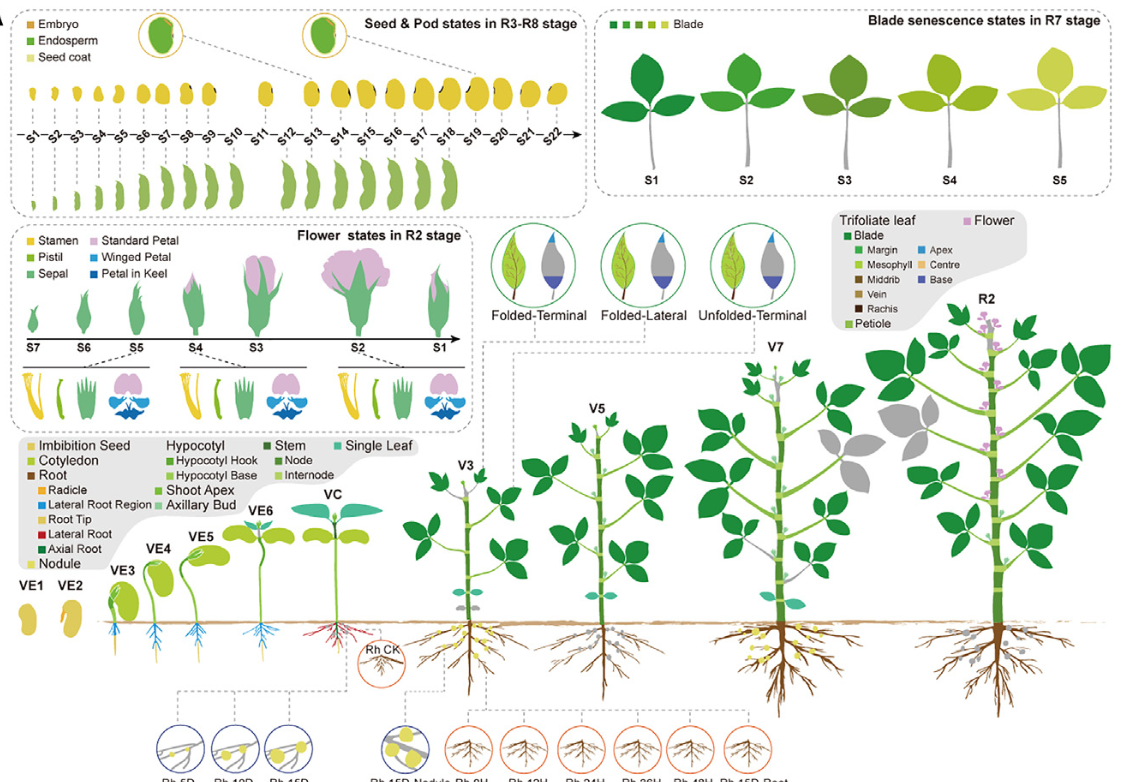
We generated Bulk, Single-Cell, and Spatial Transcriptome Data for Soybean to Unveil Mechanisms Underlying its Organ ...
Read More →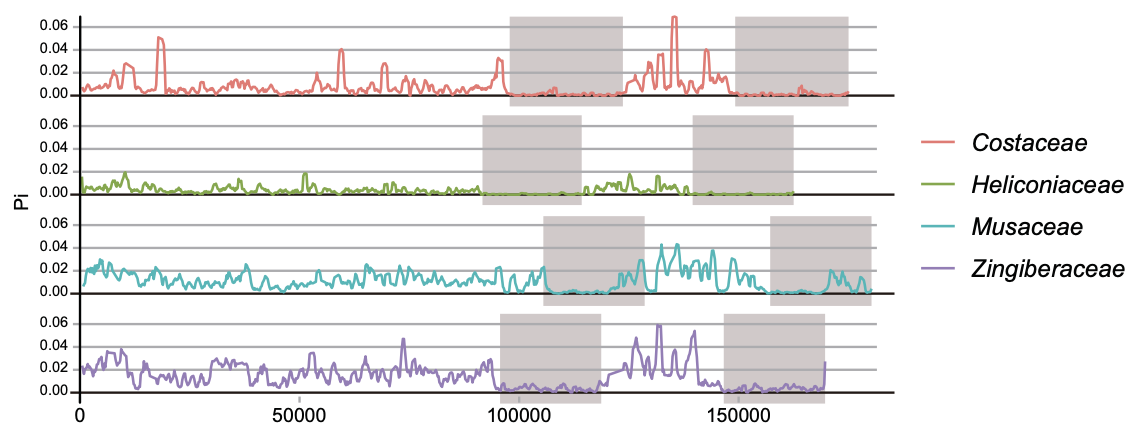
We’re excited to share that XinLab has published a new study in Frontiers in Plant Science (2025, Vol. 15) titled “Un...
Read More →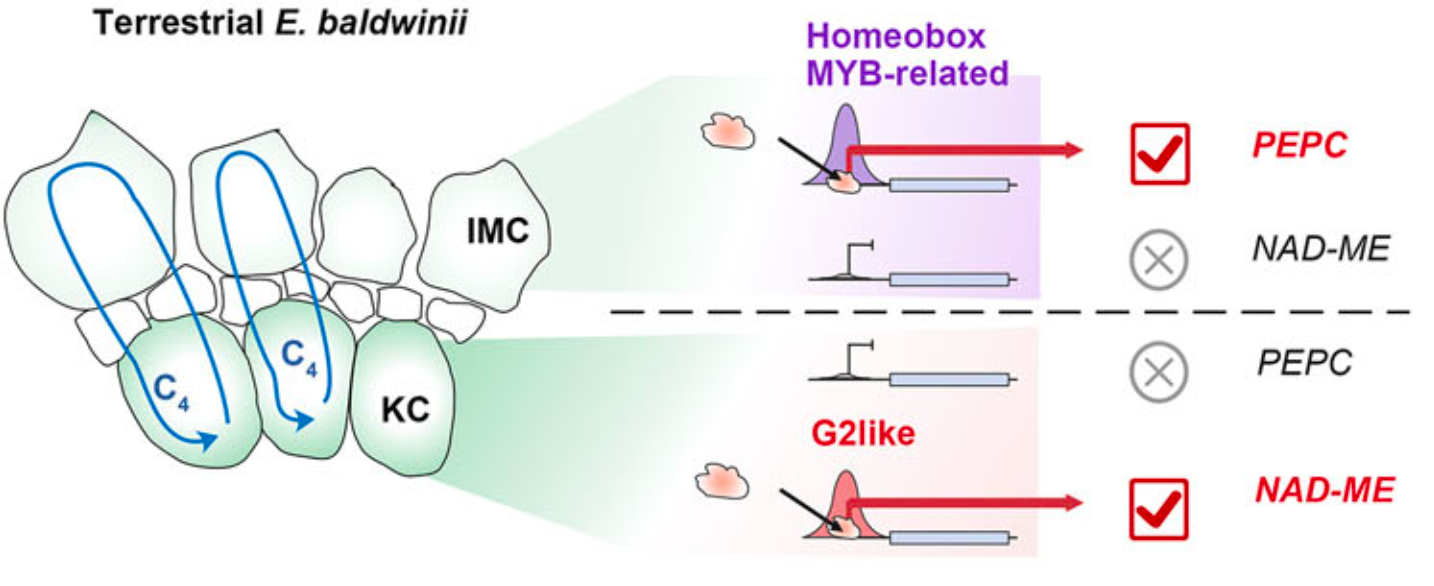
Our recent study reveals how Eleocharis baldwinii switches between C3 and C4 photosynthesis through environmentally-t...
Read More →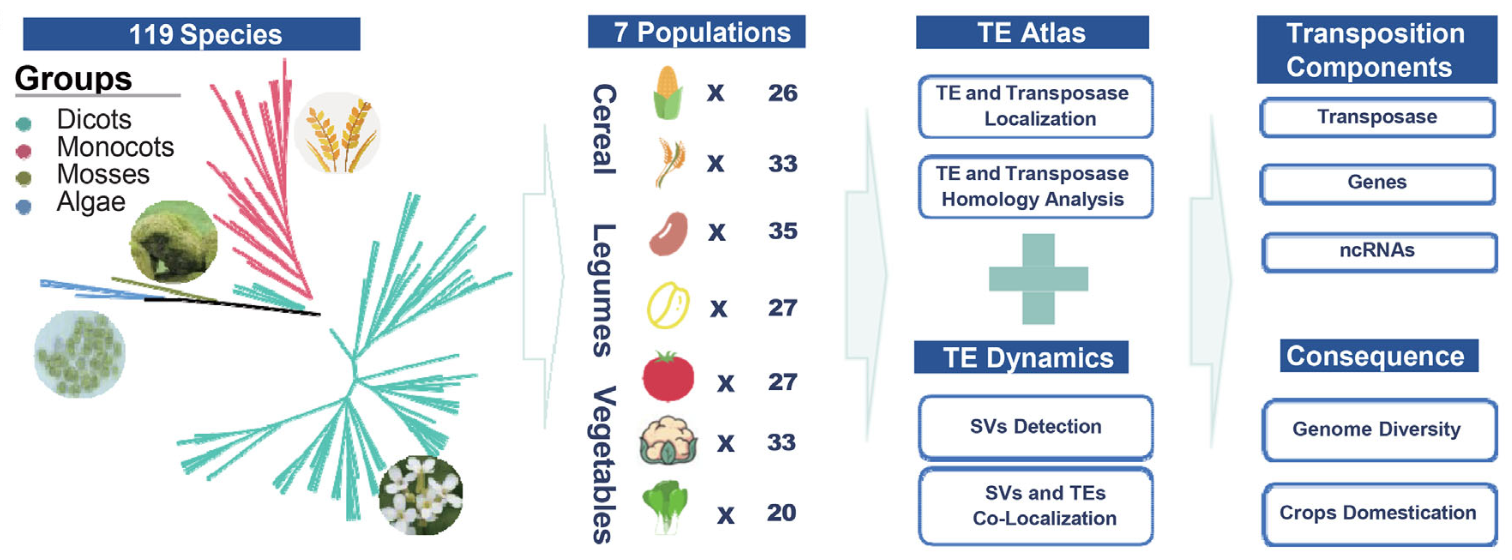
We analyzed 811 plant genomes across 119 species to create an unprecedented atlas of recent transposable element acti...
Read More →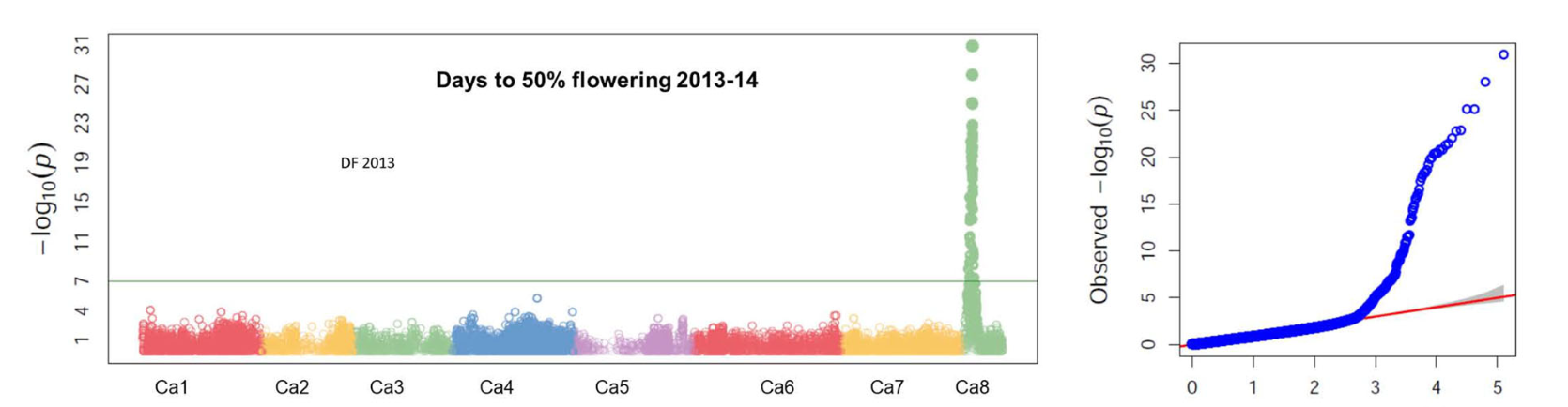
In our ongoing long-term collaboration with Dr. Rajeev Varshney, our team has taken a further step forward in underst...
Read More →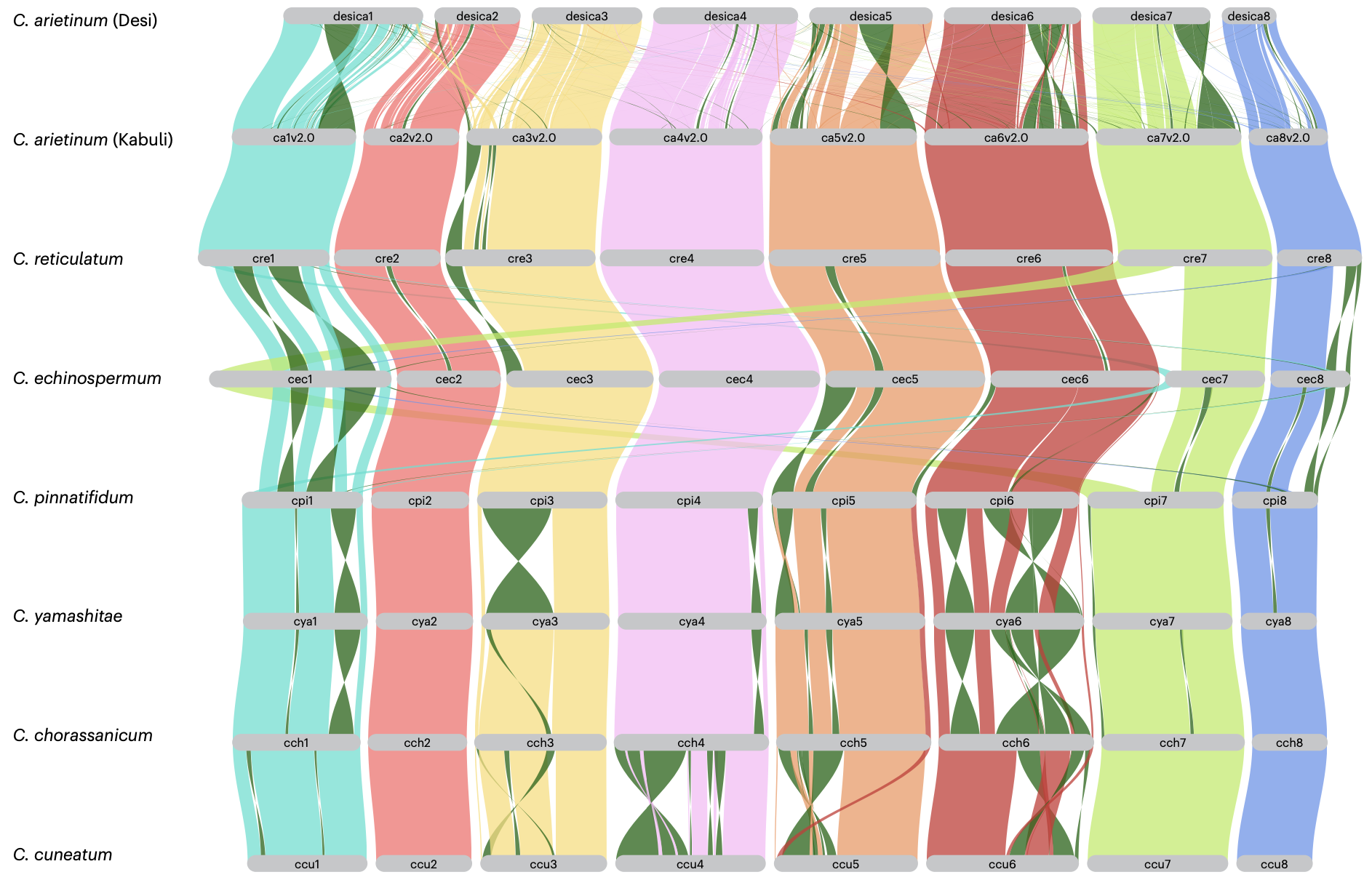
Published online in Nature Genetics on May 23, 2024, a study presents genomes of eight wild chickpea relatives and a ...
Read More →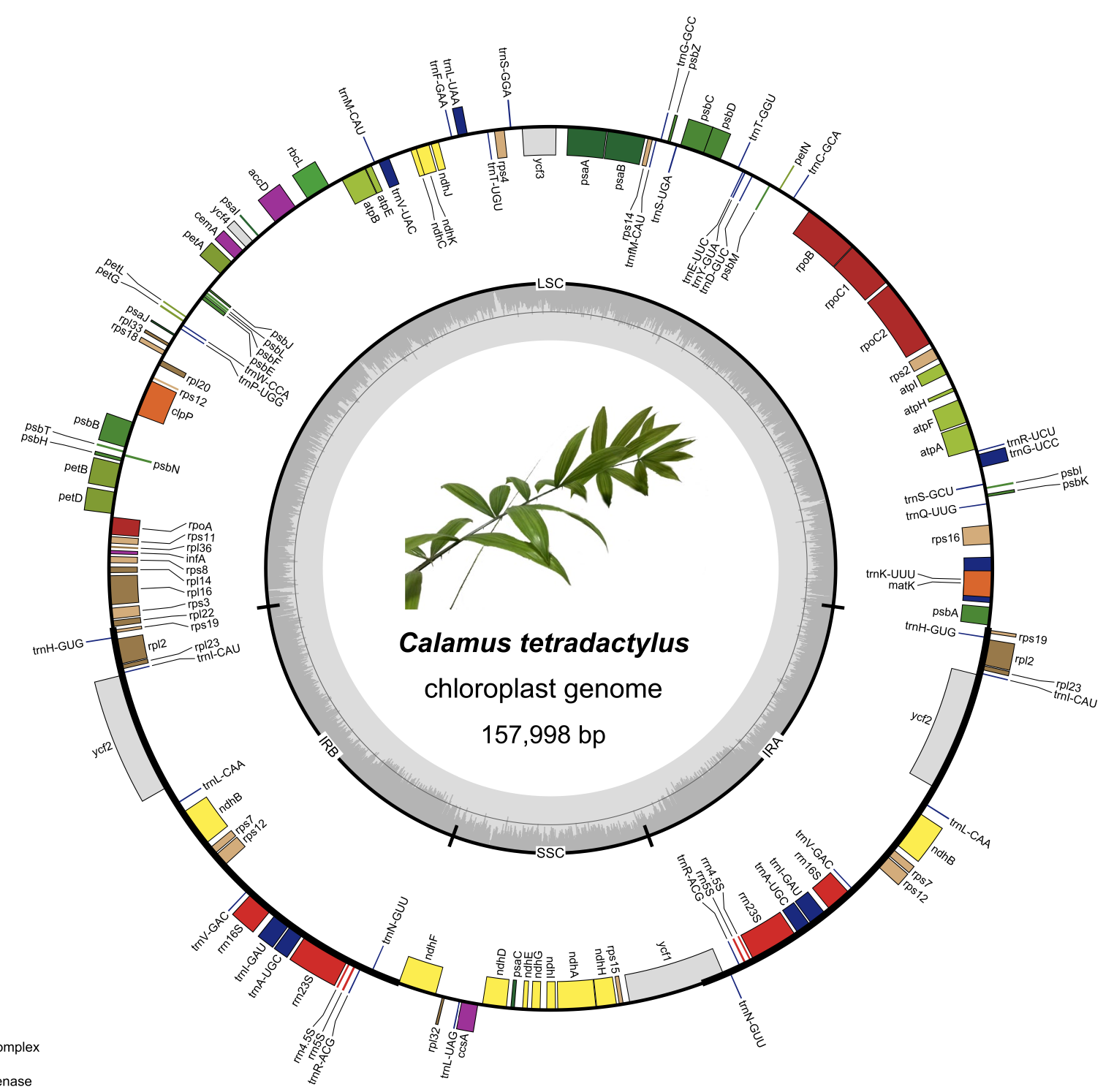
Our recent study published in BMC Genomic Data by Zhang et al. provides the first complete chloroplast genome sequenc...
Read More →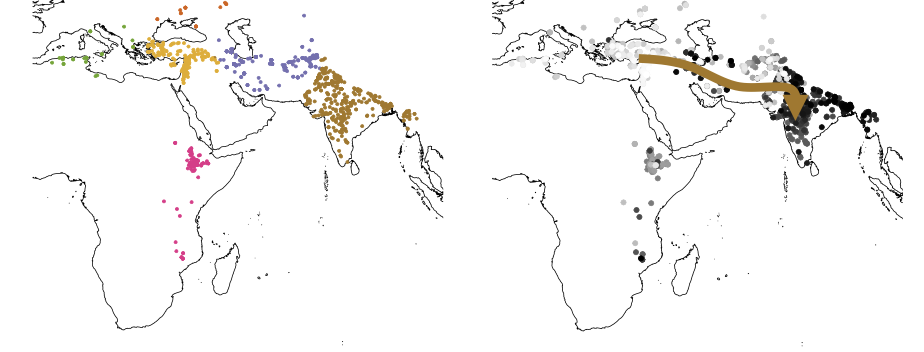
Chickpea (Cicer arietinum), one of the world’s most important legume crops, has long been a focal point in agricultur...
Read More →
Bamboo has been an integral part of Chinese culture and daily life for centuries, serving not only as an essential na...
Read More →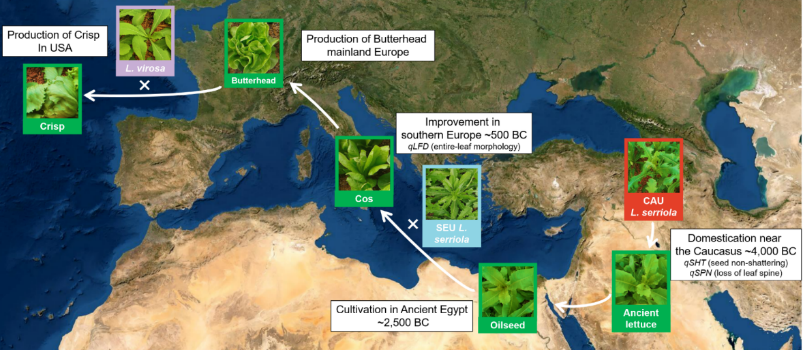
Lettuce (Lactuca sativa) is one of the most widely consumed leafy vegetables in the world, yet its genetic diversity ...
Read More →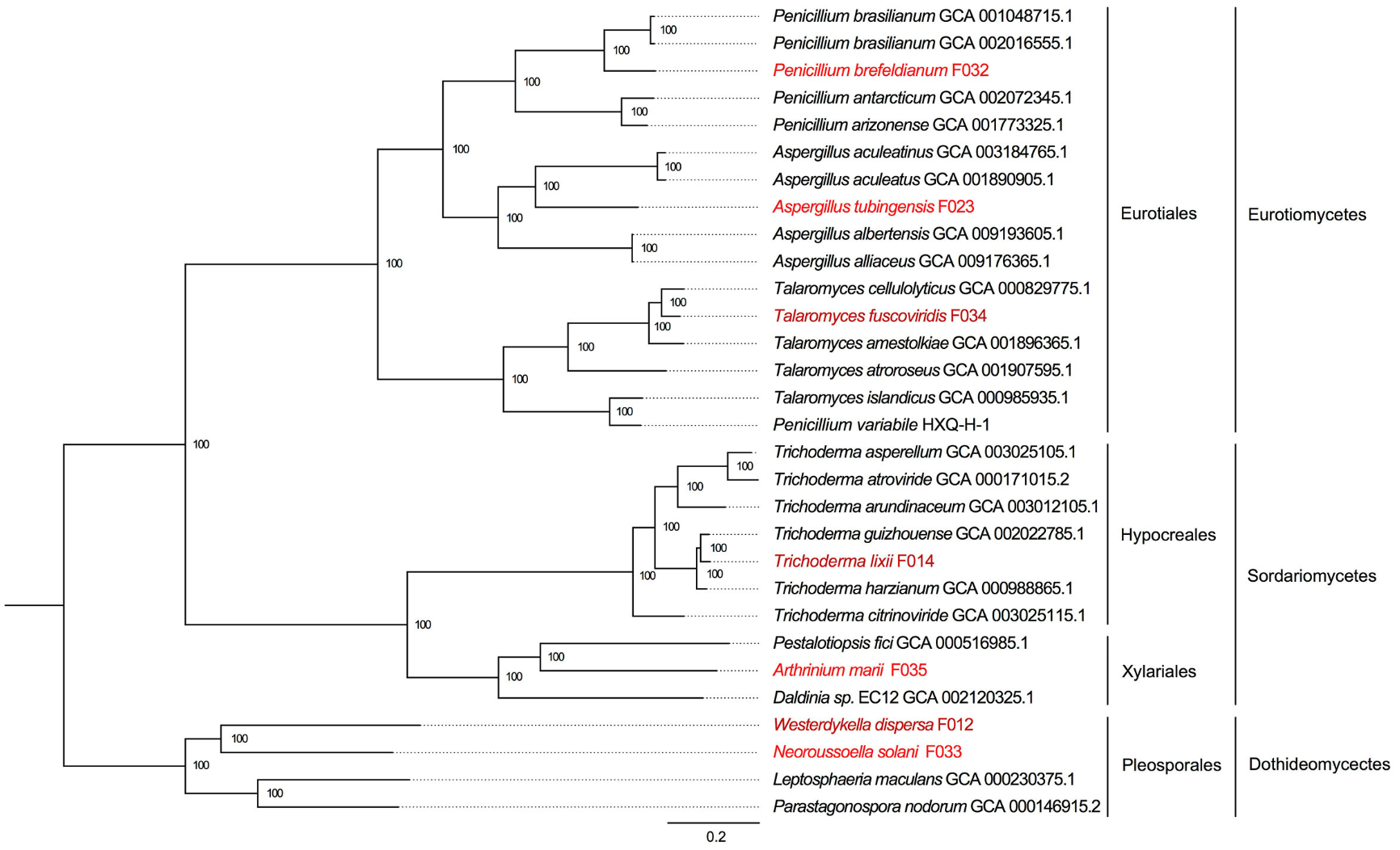
Mangrove forests are among the most biologically diverse and ecologically productive ecosystems, hosting a rich array...
Read More →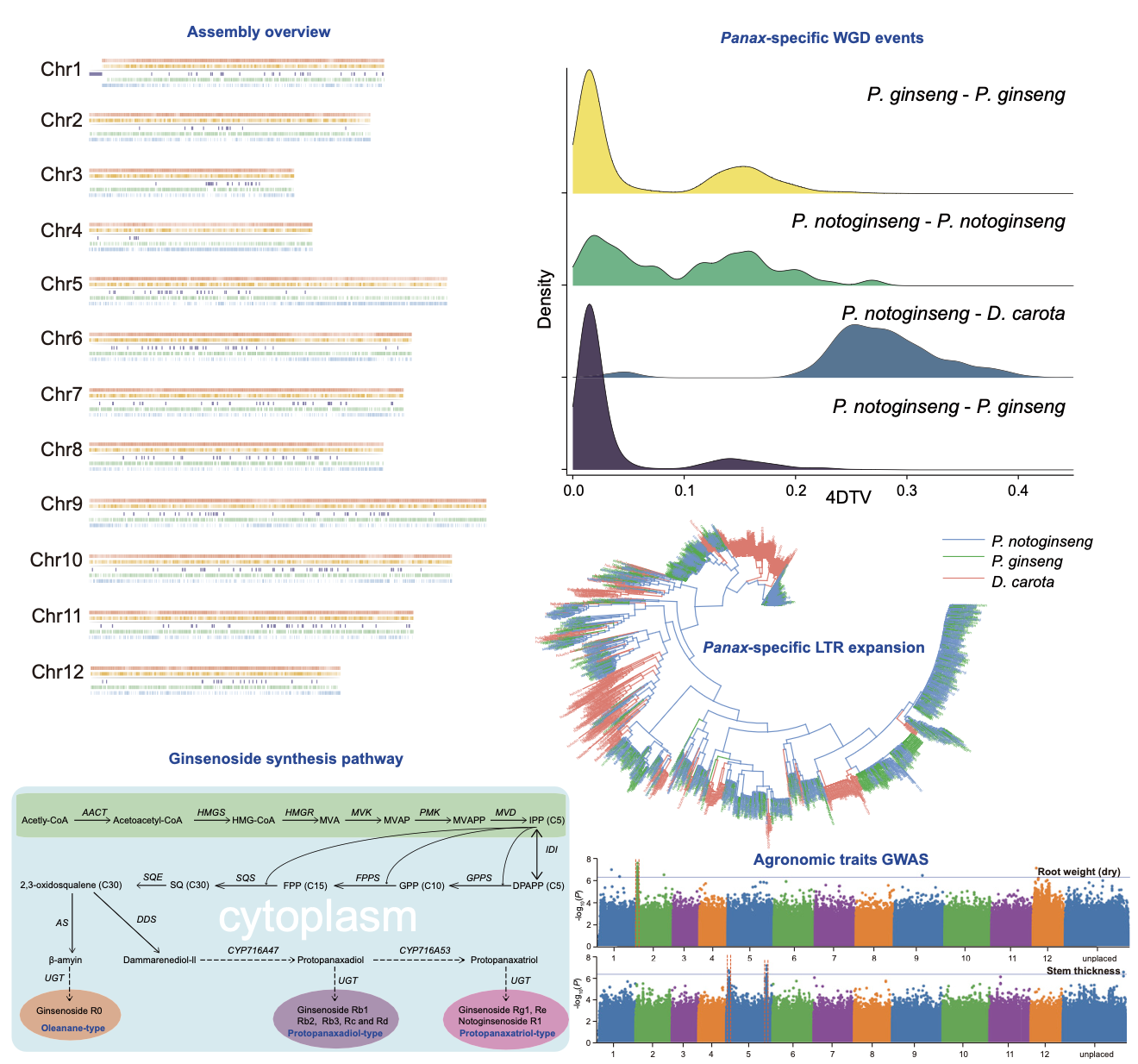
Panax notoginseng (P. notoginseng), a medicinal herb with significant economic and therapeutic value, has long been s...
Read More →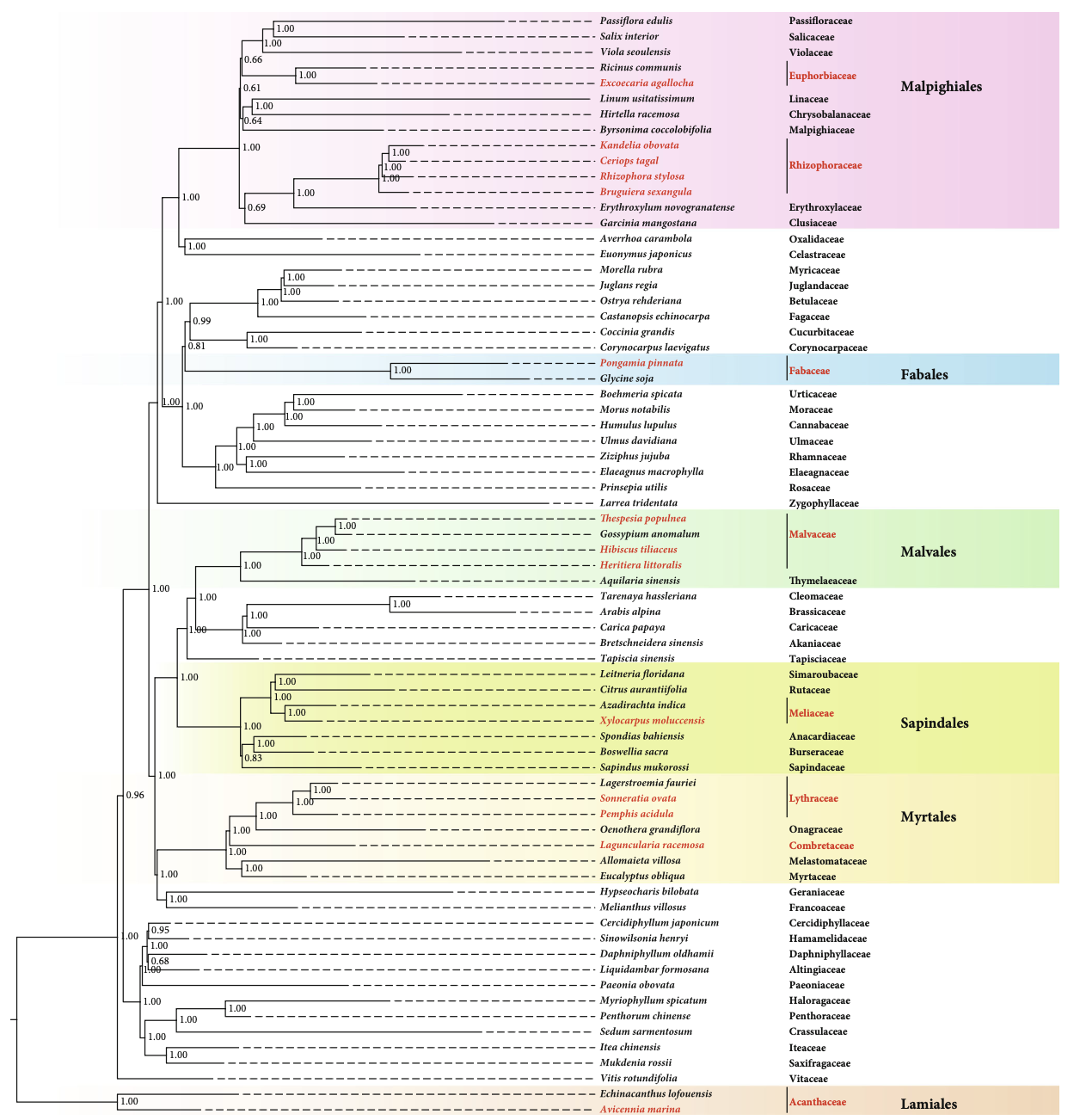
Mangrove ecosystems serve as critical environmental buffers between land and sea, hosting unique plant species that h...
Read More →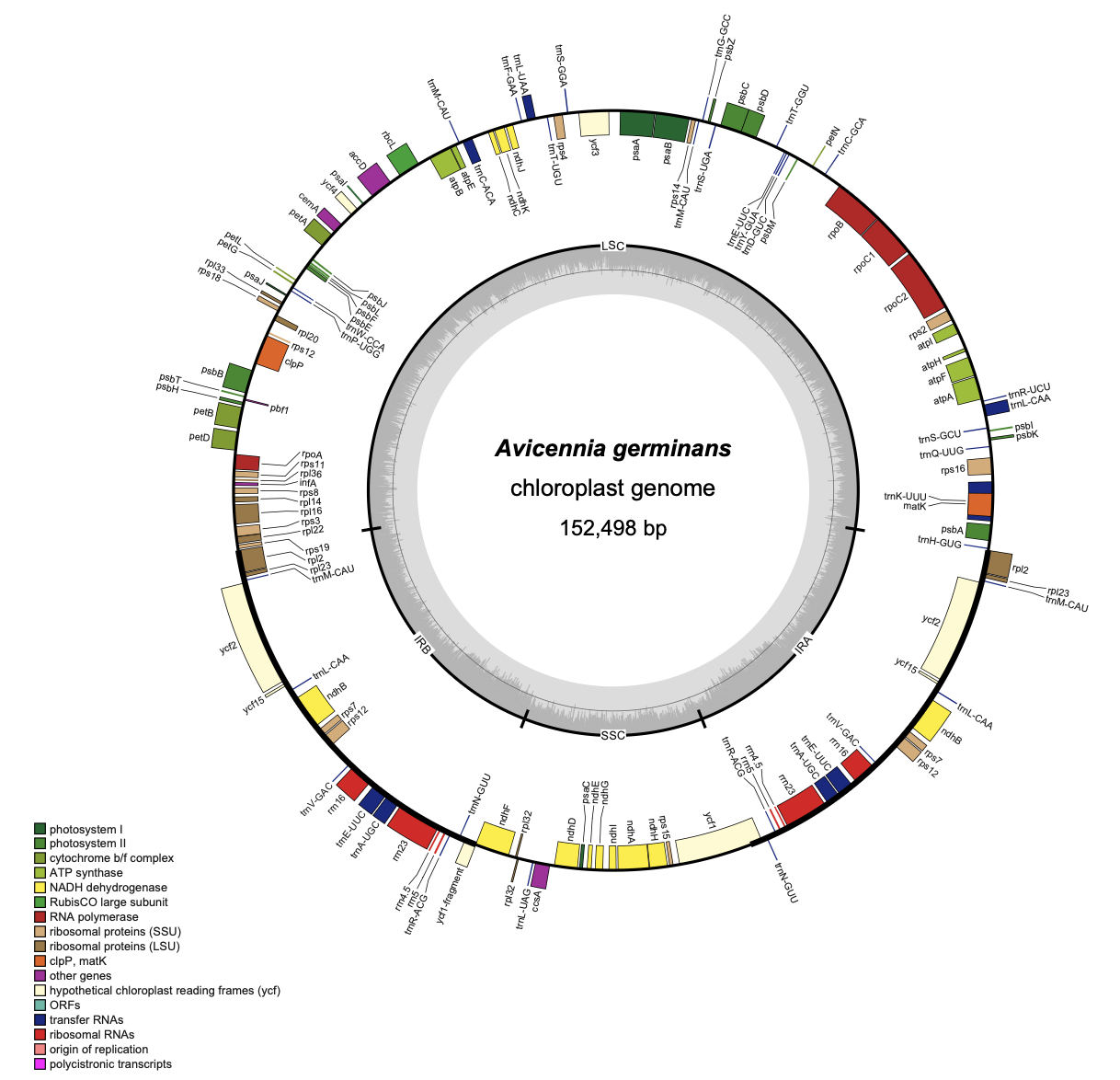
Mangrove forests thrive in coastal tropical and subtropical regions, bridging the gap between terrestrial and marine ...
Read More →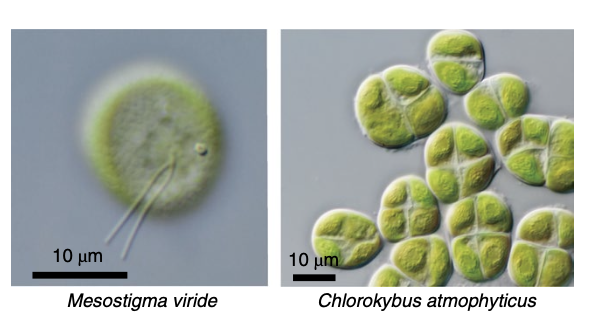
The transition of plants from aquatic to terrestrial environments represents a pivotal moment in evolutionary history...
Read More →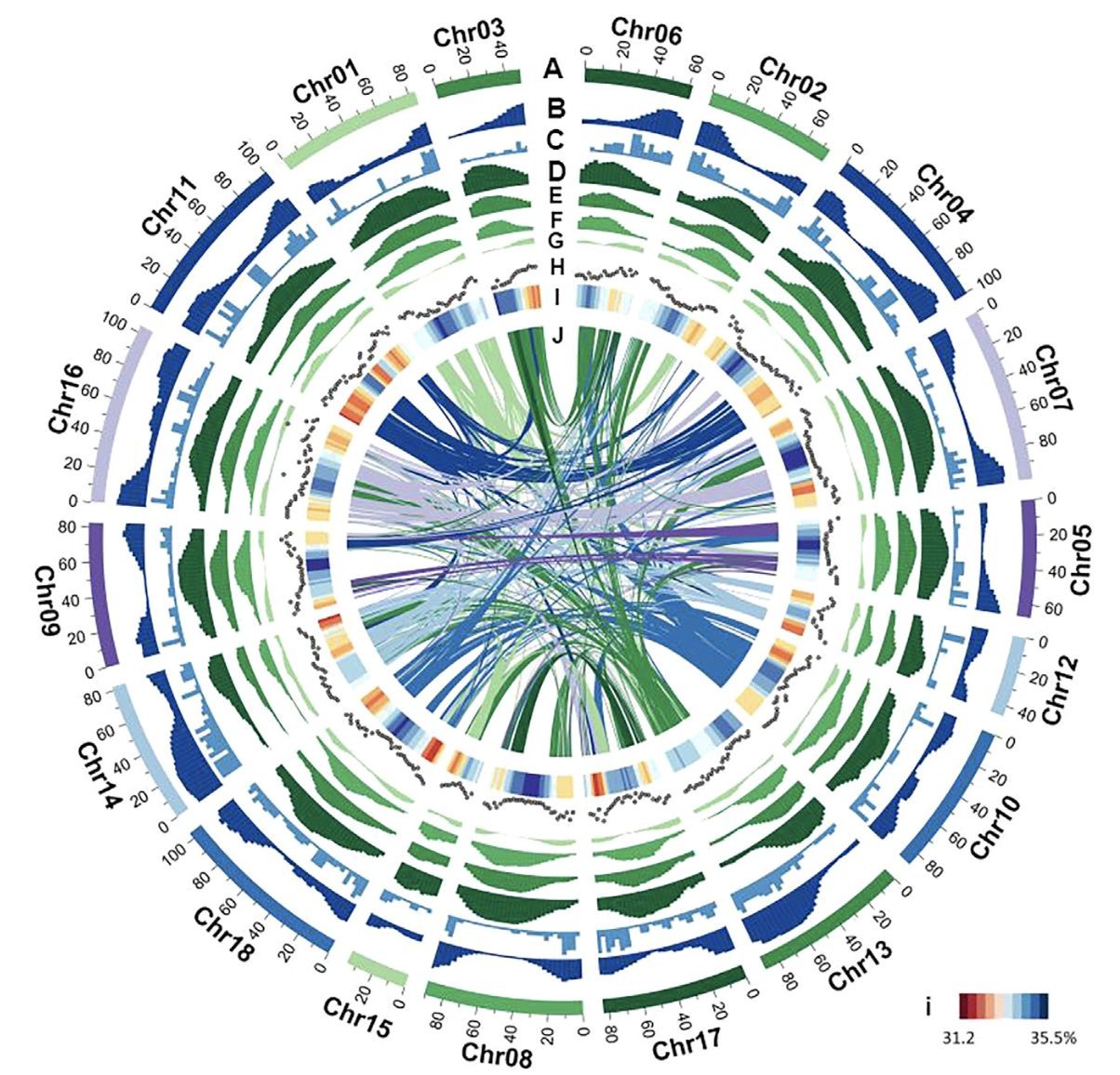
The rubber tree (Hevea brasiliensis) is the primary source of natural rubber, a crucial industrial material with no s...
Read More →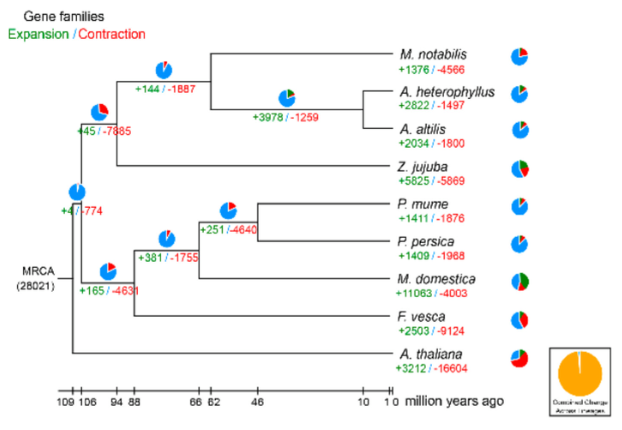
Jackfruit (Artocarpus heterophyllus) and breadfruit (Artocarpus altilis) are two economically and nutritionally signi...
Read More →
Mangrove ecosystems host a diverse range of microorganisms, including fungi that play a crucial role in organic matte...
Read More →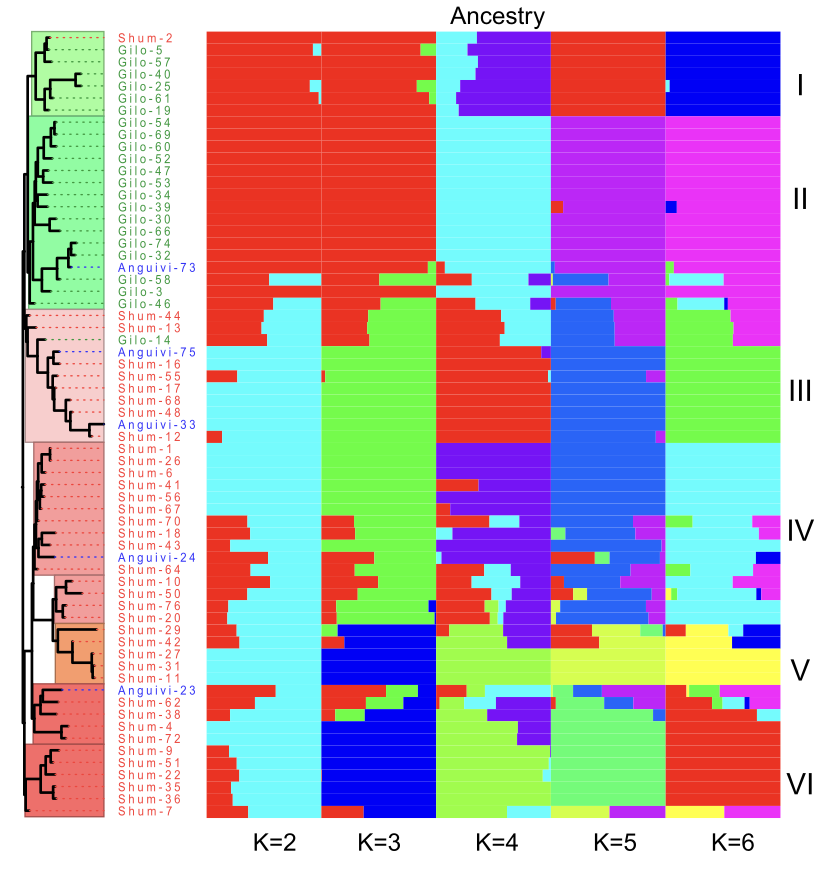
The African eggplant (Solanum aethiopicum) is a vital crop cultivated across tropical Africa for its nutritional and ...
Read More →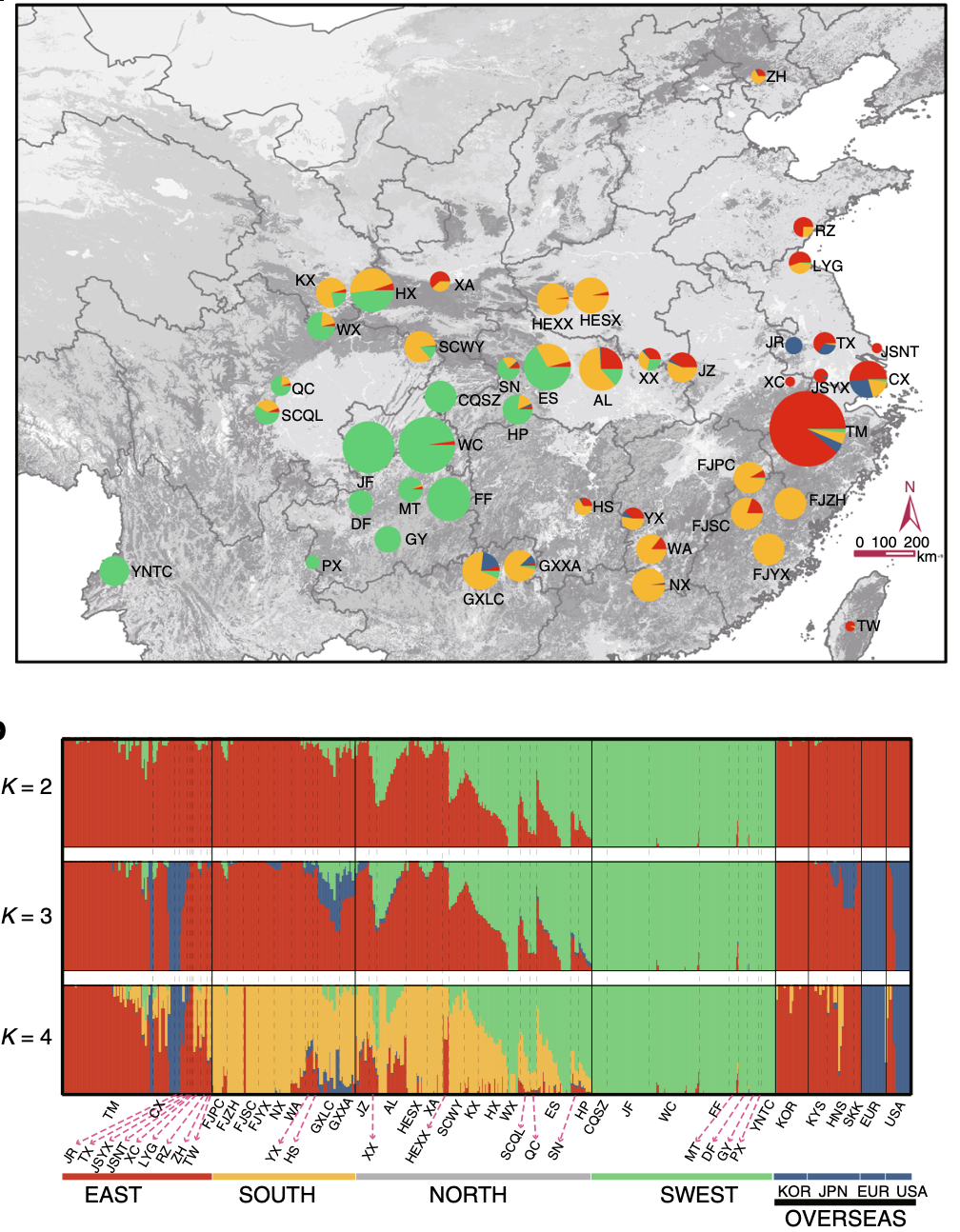
As one of the most ancient living plants, Ginkgo biloba has survived for over 200 million years, maintaining its resi...
Read More →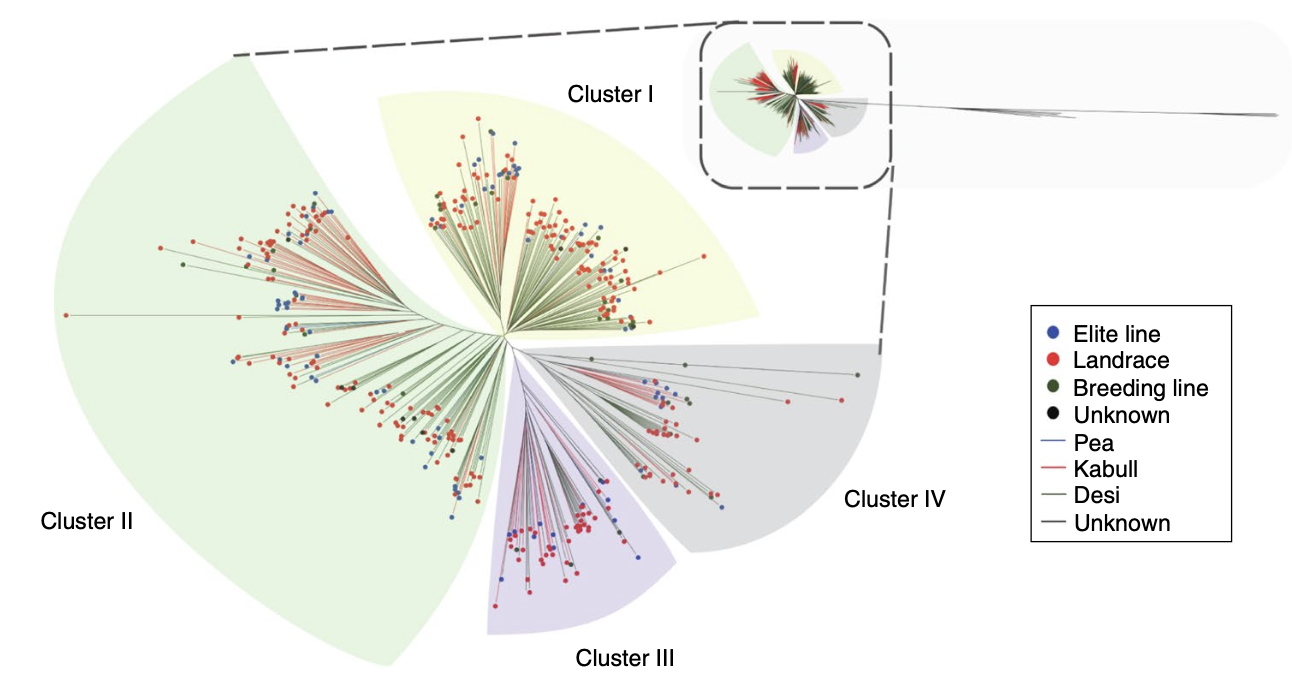
Chickpea (Cicer arietinum) is a staple legume crop with immense nutritional and agricultural importance. Understandin...
Read More →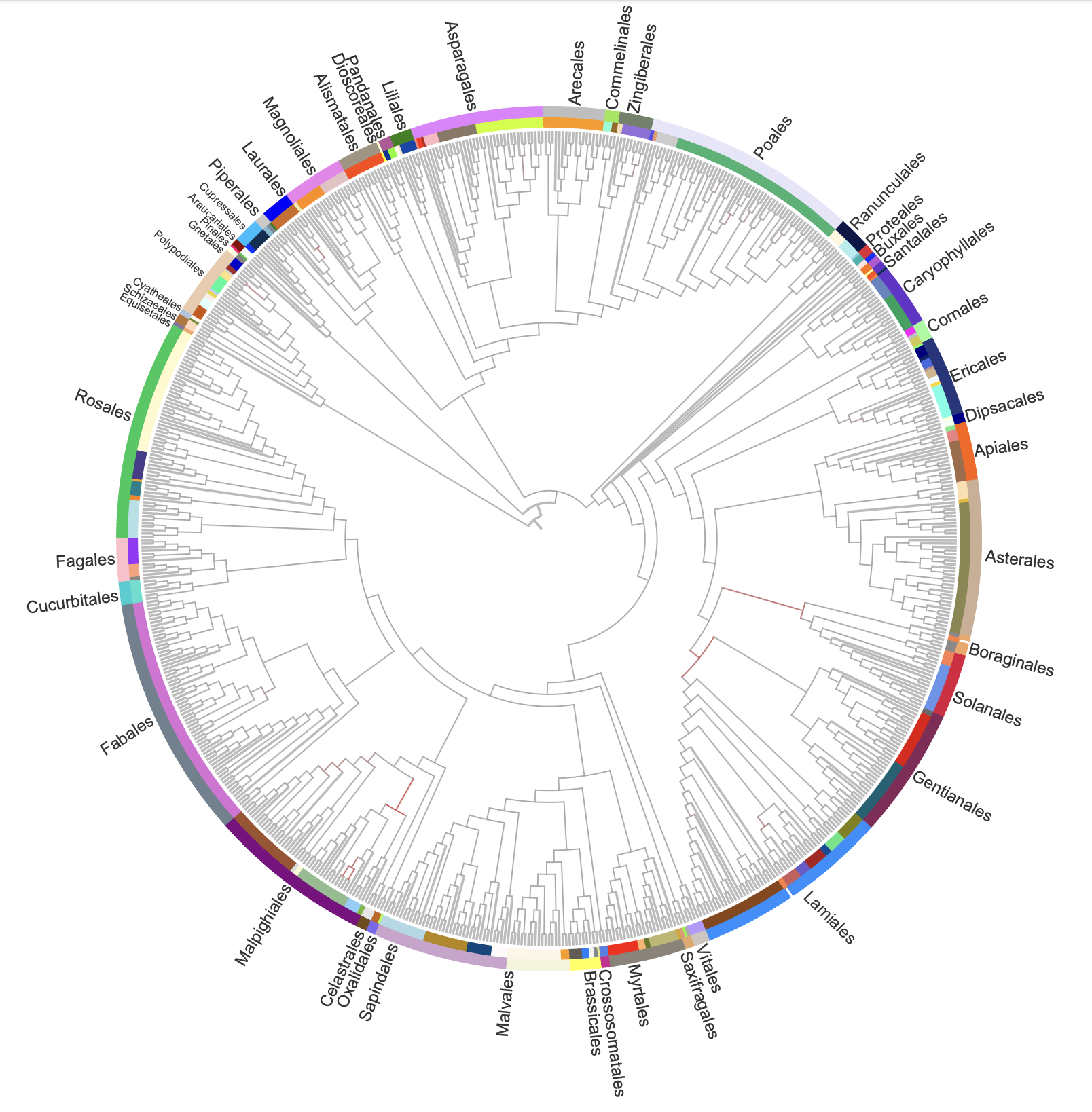
Genome sequencing has transformed plant research, offering insights into species diversity, evolution, and adaptation...
Read More →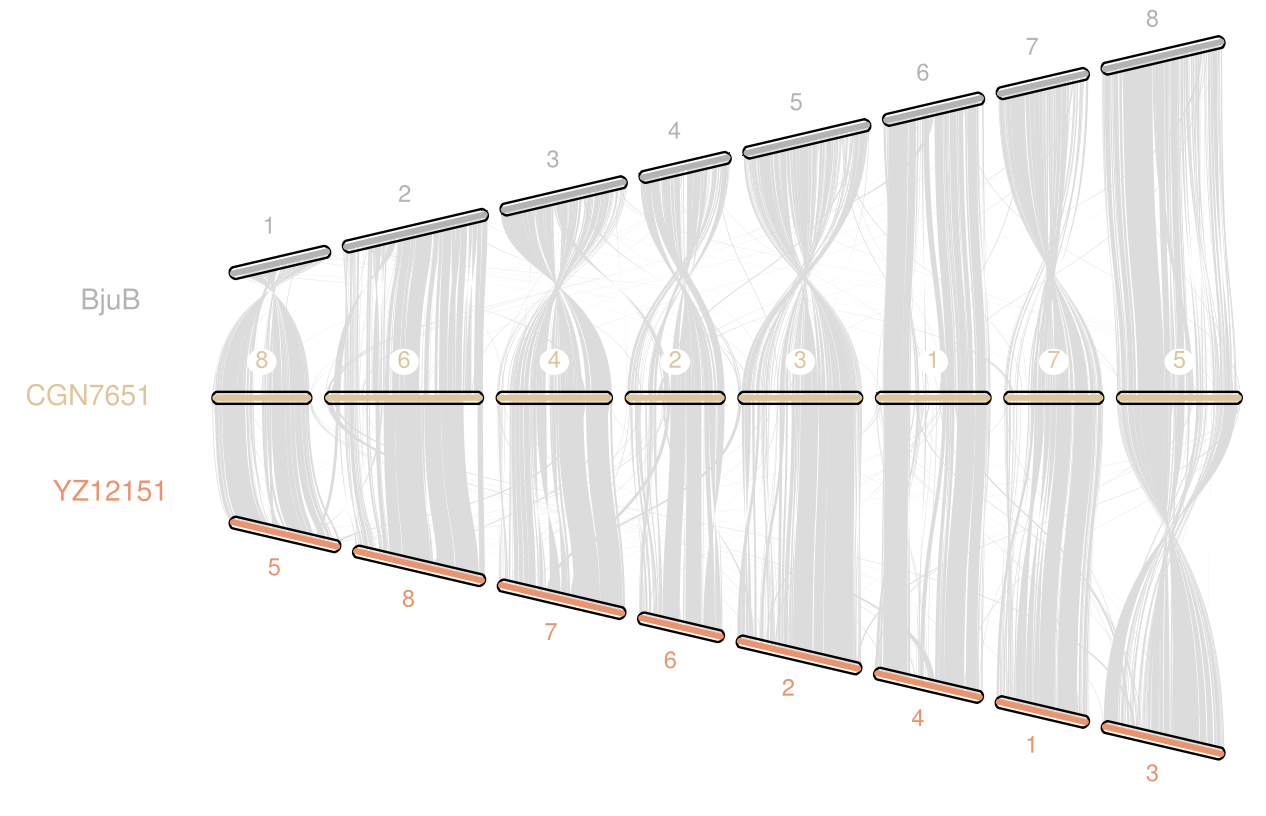
Brassica species are essential for agriculture and evolutionary studies, with genomes shaped by polyploidization even...
Read More →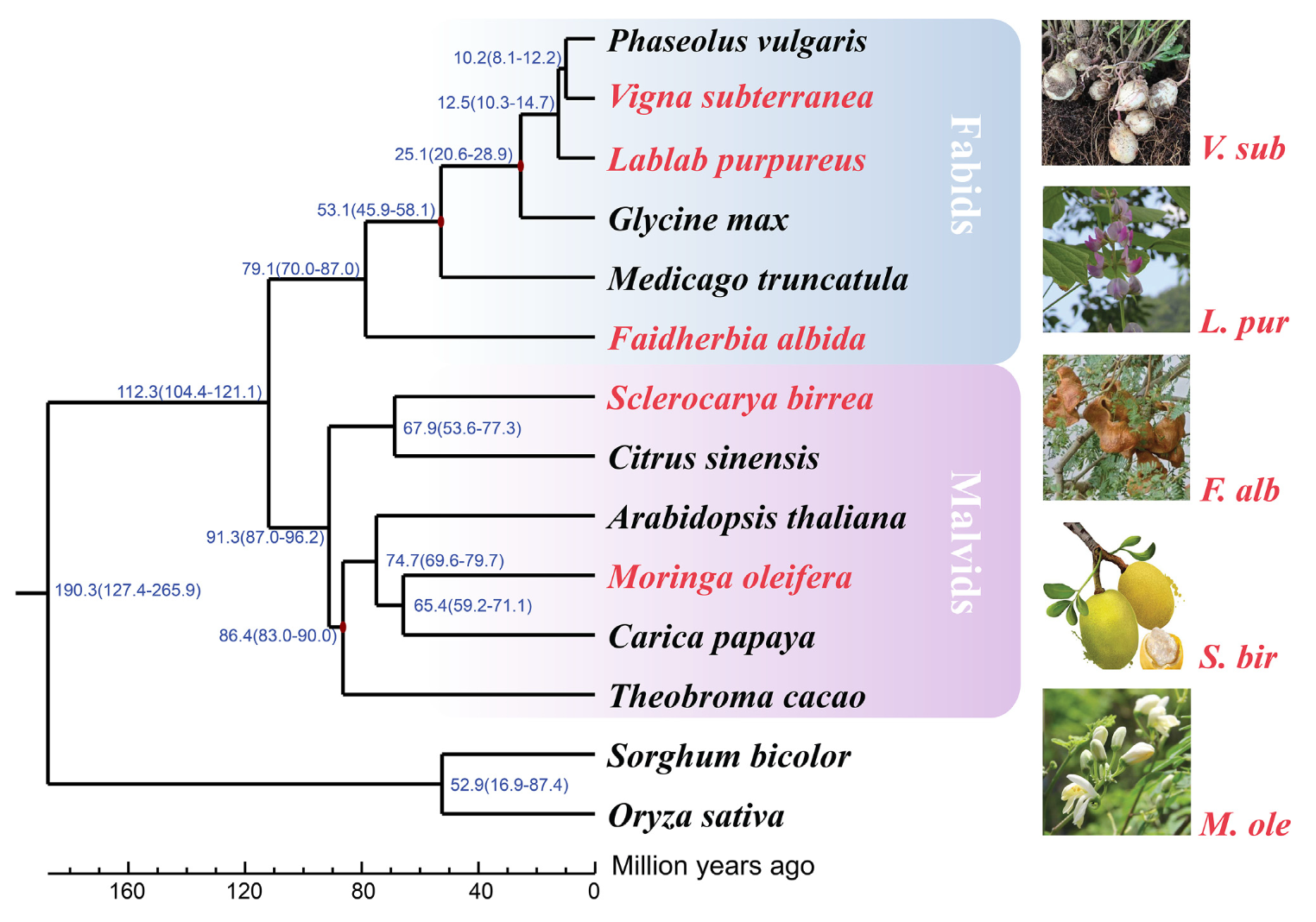
To diversify global food supplies and enhance nutrition security, underutilized crops—often referred to as orphan cro...
Read More →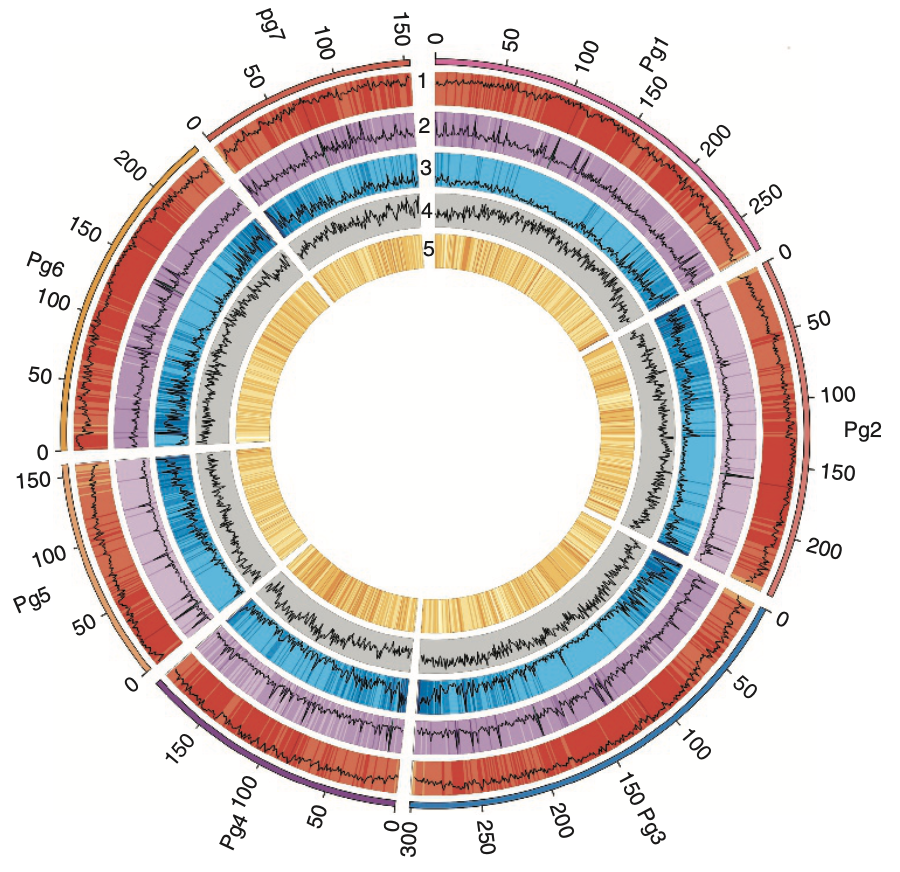
Pearl millet (Cenchrus americanus) is a staple crop for over 90 million farmers in arid and semi-arid regions, partic...
Read More →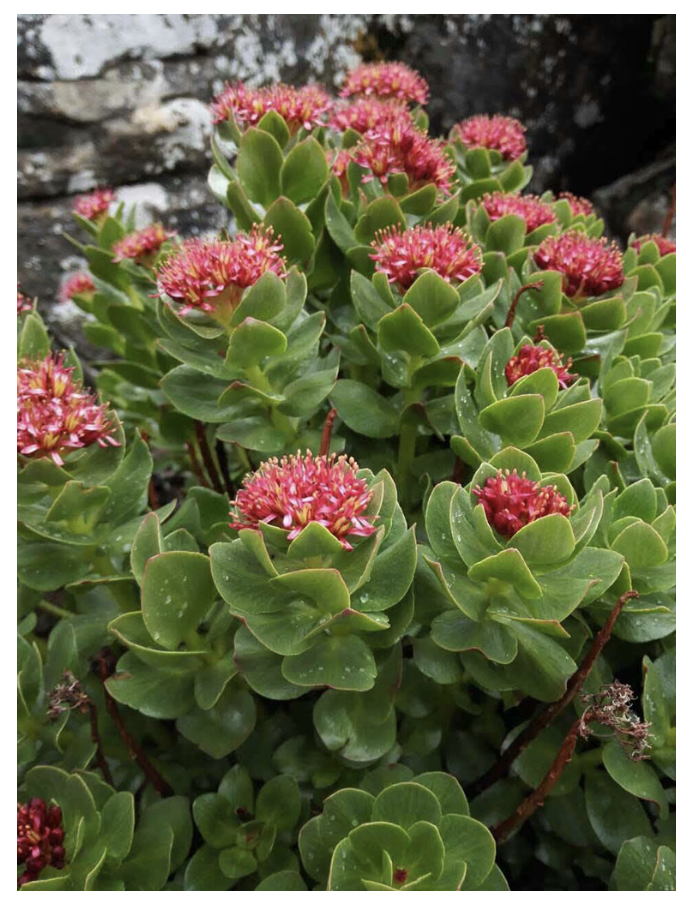
Rhodiola crenulata (R. crenulata) is a highly valued medicinal plant, particularly in traditional Chinese and Tibetan...
Read More →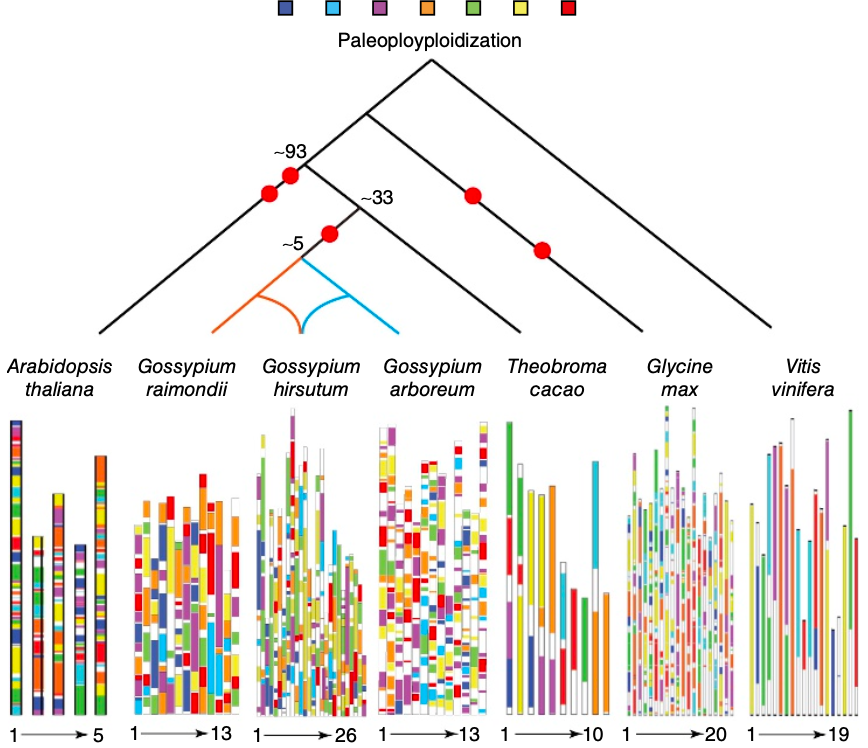
Our 2015 study in Nature Biotechnology presents the first high-quality assembly of the cultivated Upland cotton (TM-1...
Read More →
Orchids are one of the most diverse and fascinating plant families, displaying remarkable floral adaptations and ecol...
Read More →
Peach (Prunus persica) is one of the most economically and culturally significant fruit crops, with a long history of...
Read More →
Most fruits consumed today are the result of long-term domestication and breeding efforts. However, the genetic basis...
Read More →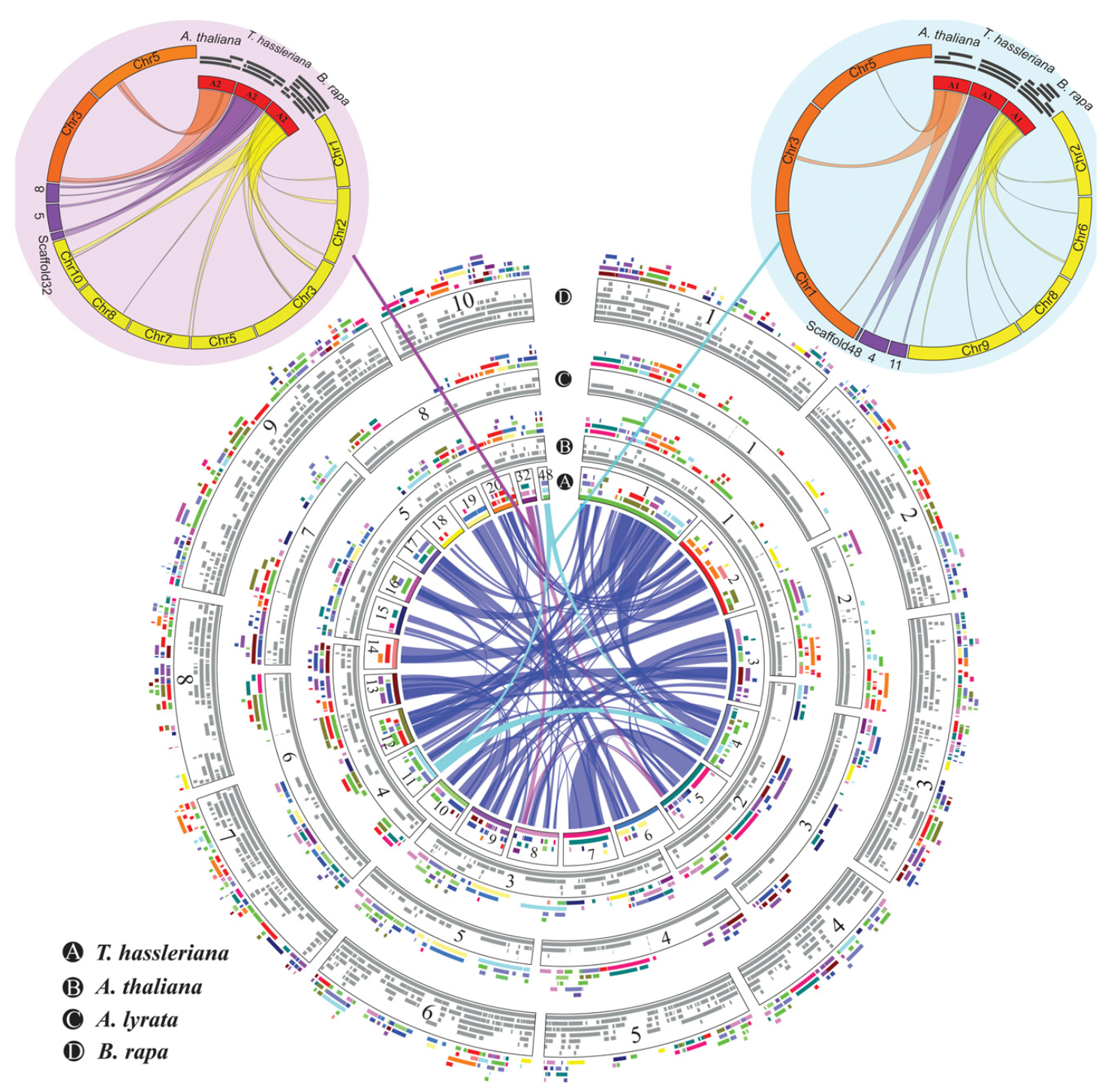
Our collaborative study in The Plant Cell reveals how whole-genome duplication and subsequent gene evolution shaped t...
Read More →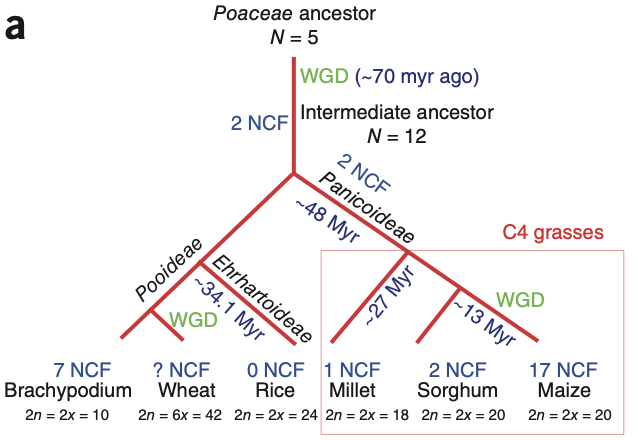
Foxtail millet (Setaria italica) is a drought-tolerant crop with rich nutritional value and historical significance, ...
Read More →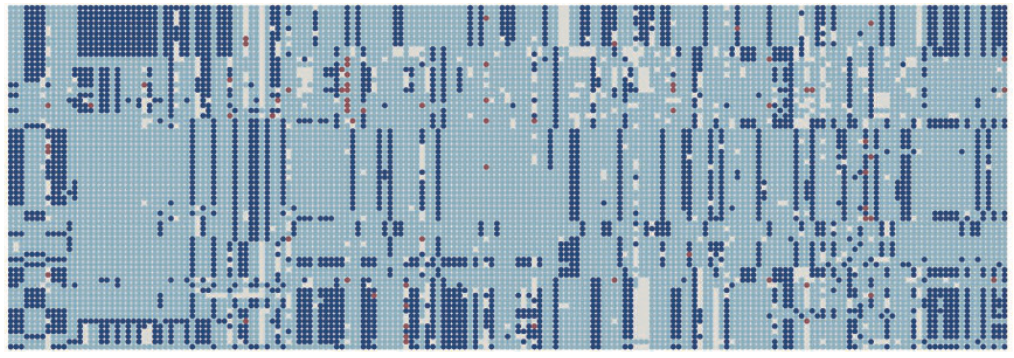
Our 2012 study in Nature Genetics characterized 55 million SNPs across 103 maize varieties, providing a transformativ...
Read More →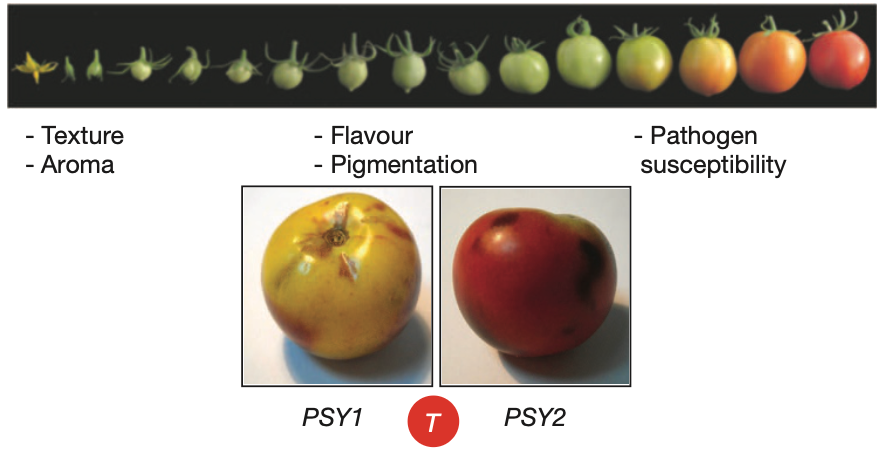
Our 2011 study in Nature, as part of the Tomato Genome Consortium, provides a high-quality reference genome of tomato...
Read More →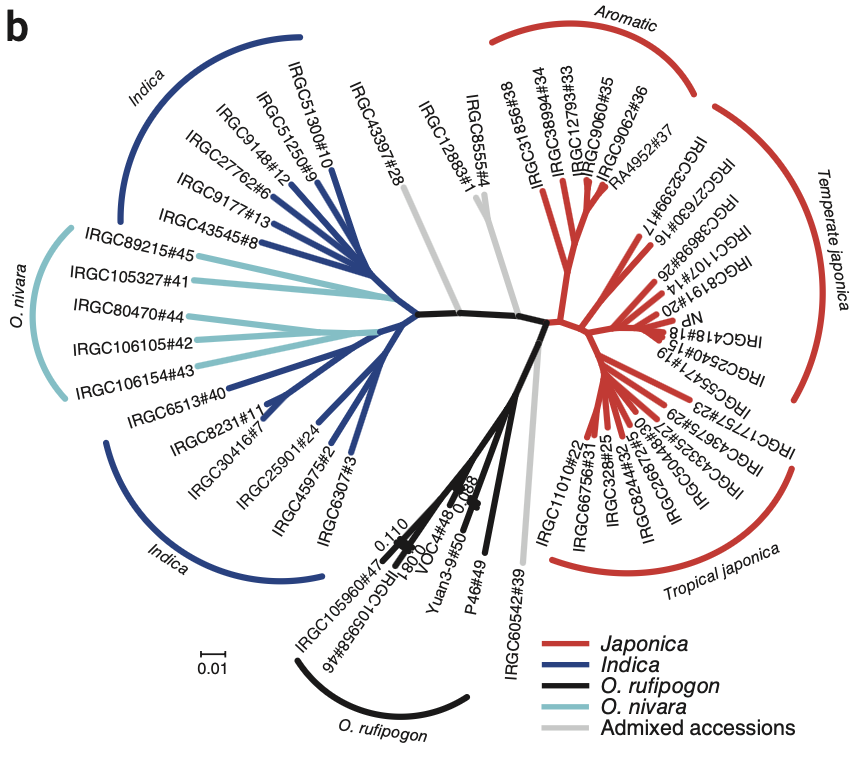
Rice (Oryza sativa) is a staple food crop that has undergone extensive domestication, resulting in significant phenot...
Read More →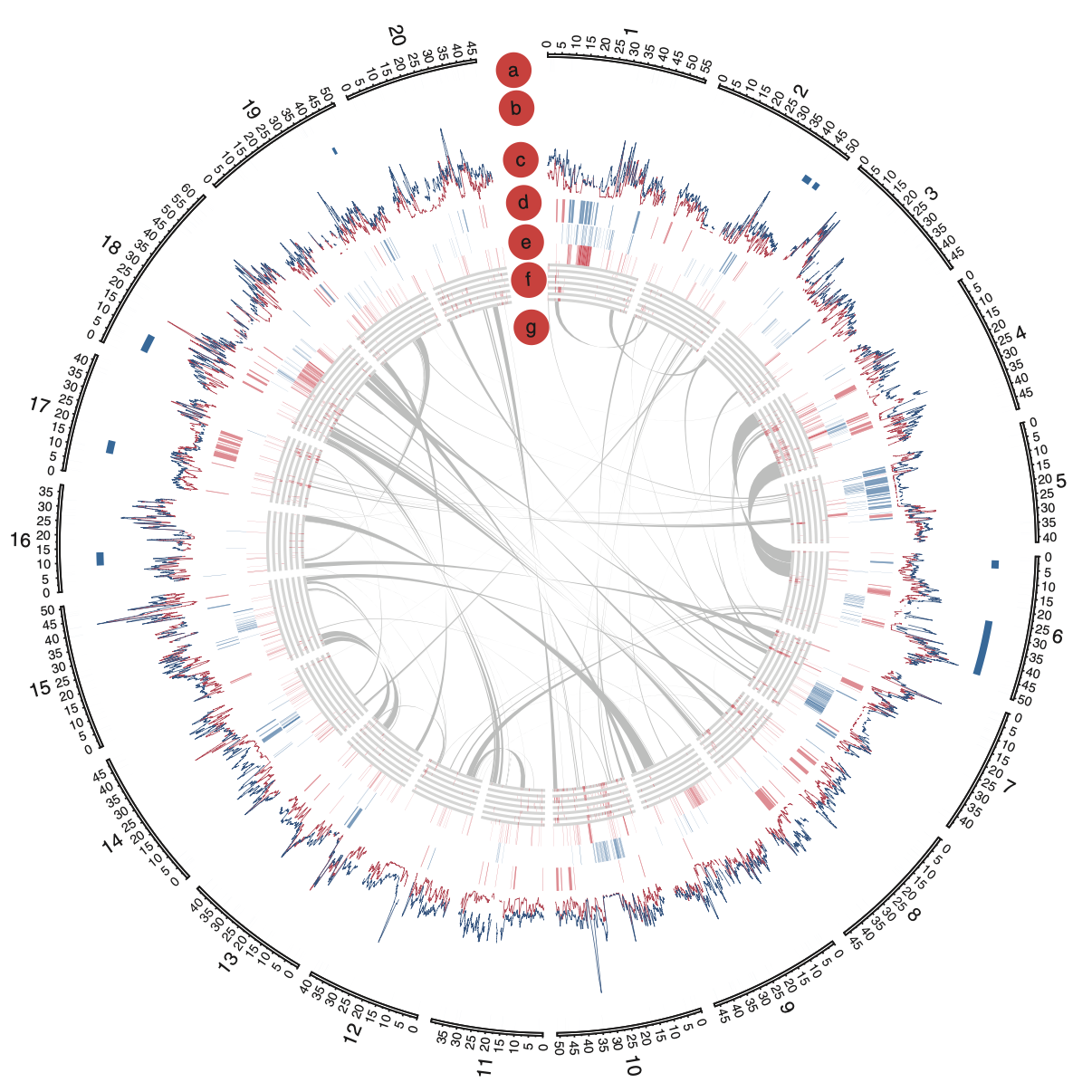
Soybean (Glycine max) is a critical crop globally, serving as a major source of protein and oil. Understanding its ge...
Read More →